




University Ombudsman organization and functioning rules:
- The University Ombudsman is organized and operates within the University of Bucharest with the role of advising all members of the academic community who consider themselves treated incorrectly, in conditions of independence, impartiality, confidentiality.
- The Ombudsman facilitates the communication between members of the academic community in the event of conflicts, seeking to help them to find new ways to solve problems by themselves. The university ombudsman promotes preliminary intervention, in order to avoid the negative consequences of a conflict.
- The University Ombudsman is independent of the university structures in which it operates.
- In carrying out his activity, the University Ombudsman has access all relevant sources of information within the University.
- The University of Bucharest provides the University Ombudsman an appropriate budget and resources to carry out its activities.
- The University Ombudsman must have a thorough knowledge of the organization and functioning of the University.
- The Ombudsman will avoid affiliations which might affect his independence and impartiality.
- The duration of each University Ombudsman mandate overlaps the position of Rector. The Ombudsman may be re-elected without mandates limit. The rules for the organization and functioning of the University Ombudsman may be revised in each term.
- In order to carry out his duties, the University Ombudsman may be assisted by a Deputy.
- The Ombudsman submits an annual report to the Senate, in which he classifies the issues reported and recommends ways to resolve them.
- In his work, the University Ombudsman must comply with the principles of impartiality, independence and confidentiality.
- The Ombudsman will not disclose any information which has been entrusted to him in a confidential manner, except in duly justified cases. He will only mention the names of the people who consult him with their consent. The notes, notes and other documents resulting from the consultations will be kept in safe conditions, only for the time necessary to solve the case, and then destroyed. They will not be sent to the University or the faculties.
- Anyone belonging to the academic community may address the University Ombudsman. The university ombudsman may notify himself ex officio.
- All interactions with the Ombudsman are voluntary. He has no right to summon anyone.
- Requests to the University Ombudsman by members of the academic community are exempt from the fee.
- The Ombudsman will ensure through appropriate measures that his mission and how to contact him are known to the academic community.
The University Ombudsman has the following responsibilities and competencies:
- receives requests made by persons whose rights or freedoms have been violated within the academic community and decides on how to resolve these requests;
- grants audiences;
- may conduct investigations to resolve the requests with which it is notified;
- make recommendations;
- helps all parties to a conflict to identify possible solutions to problems by providing specialist guidance;
- collaborates with decision makers at the University level;
- may make proposals for the modification and improvement of the rules and practices of the University.
Requests can be sent to the e-mail address ombudsman@unibuc.ro
CONTACT
University Ombudsman
Associate prof. Claudiu Constantin DINU, PhD
Tel: +421-305.97.13
E-mail: ombudsman@unibuc.ro
Audience
Monday: 10:00-12:00
Address:
Council Hall, Faculty of Law, Bd. M. Kogălniceanu 36-46, District 5, 050107, Bucharest
NEWS

International Co-authored Article by FJSC Researcher Receives Award from the U.S. National Communication Association (NCA)
Press Releases, Research, International, Awards and Distinctions, UB NewsPostări asemănătoare: Oana Șerban Authored a Routledge Volume. “Cultural Capital and Creative Communication. (Anti-)Modern and (Non-)Eurocentric Perspectives” has just been published About the adaptation of Shakespeare’s plays to...

International Award for a Doctoral Thesis from the University of Bucharest in Natural Language Processing
Research, International, UB Student, Awards and Distinctions, Announcements, UB NewsPostări asemănătoare: The University of Bucharest, on the Podium of the International Competition Imperial Barell Award (IBA) UB doctoral and post-doctoral students, invited to register for the CIVIS Training for innovation and...

University of Bucharest Kicks Off the 2026–2027 Academic Year. The Dates of the Opening Ceremonies
Events, UB Student, Announcements, UB NewsPostări asemănătoare: The opening of the new academic year of 2024-2025 at the University of Bucharest, an occasion to reaffirm the collaboration with the Bucharest City Hall The opening of the new academic year of 2024-2025 at the...

The UB Community Is Invited to Discover the Romanian Post from the Inside on World Post Day
Events, UB Student, Announcements, UB NewsPostări asemănătoare: The Balance of Durable Development: the UB community is invited to discover UN Durable Development Objectives at the Rectorate Discover Art Safari 2026: special tickets for the University of Bucharest community at...
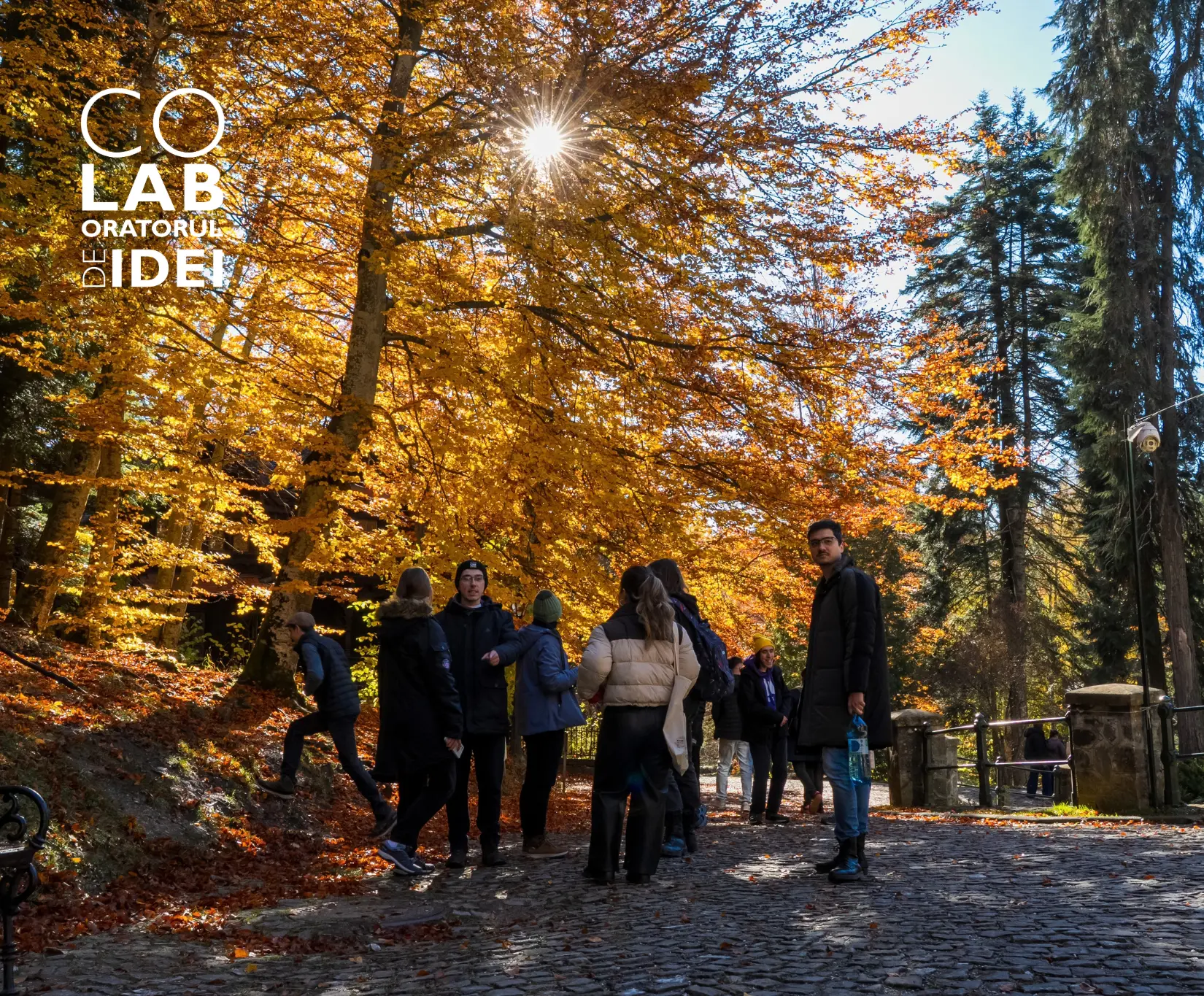
Do You Have an Idea About How We Can Combat Disinformation? It Could Be Your Ticket to coLABORATORUL de IDEI 5.0
Events, UB Student, Announcements, UB NewsPostări asemănătoare: The University of Bucharest is partner in an international project to combat gender stereotypes, through TV series watched by teenagers...

70 Years of the CMR Convention: two international conferences and romania’s first moot court competition in transport law at the University of Bucharest, Faculty of Law
Events, International, UB Student, UB NewsPostări asemănătoare: Outstanding Results of the Team of Faculty of Law of the University of Bucharest at the “René Cassin” European Law Competition Professor Simina Tănăsescu, PhD, faculty member at the University of Bucharest’s Law...


