




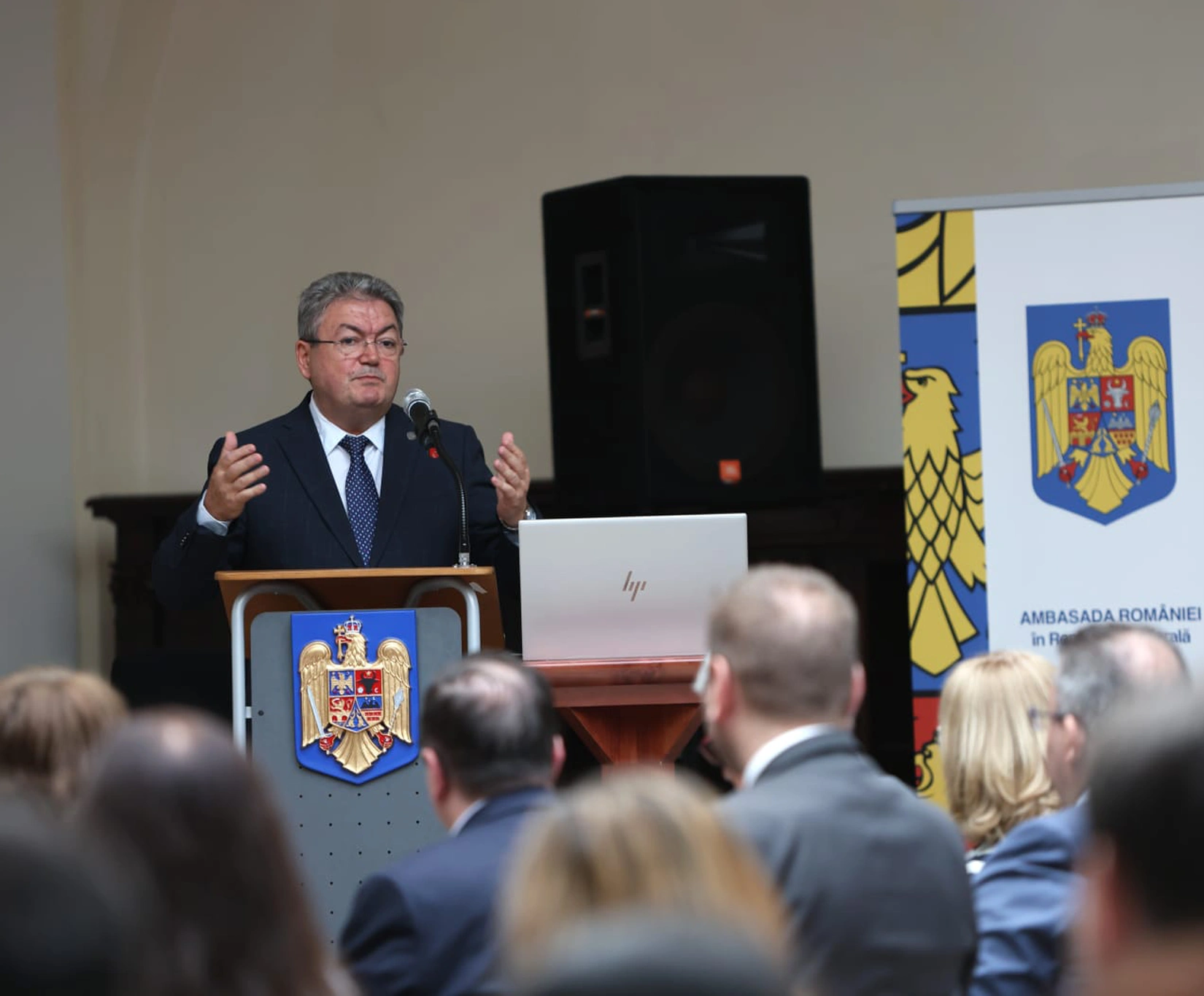
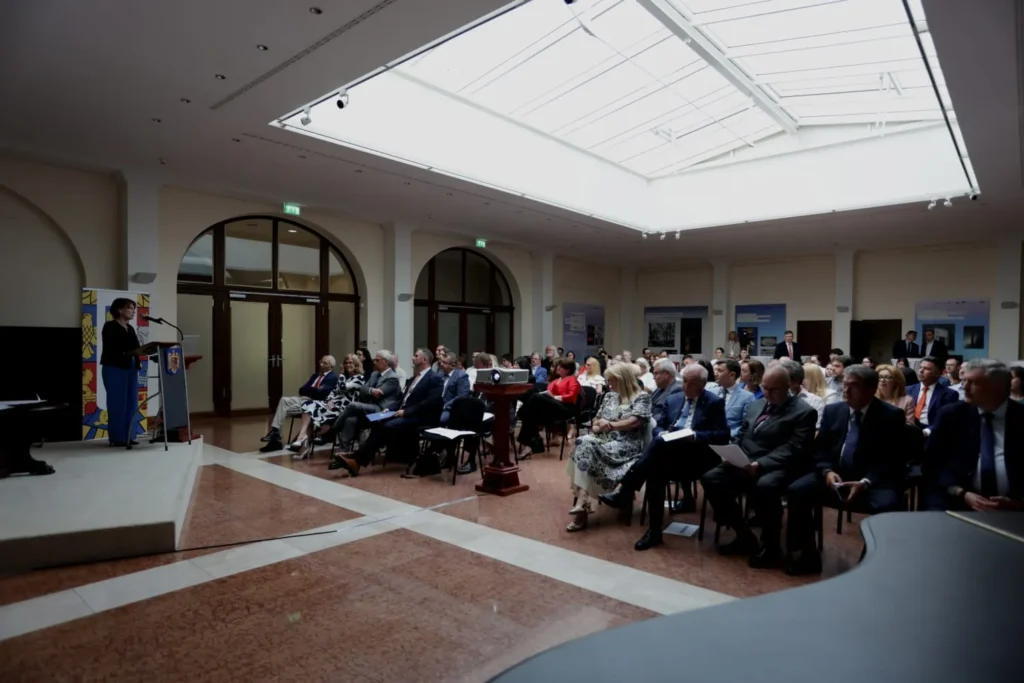
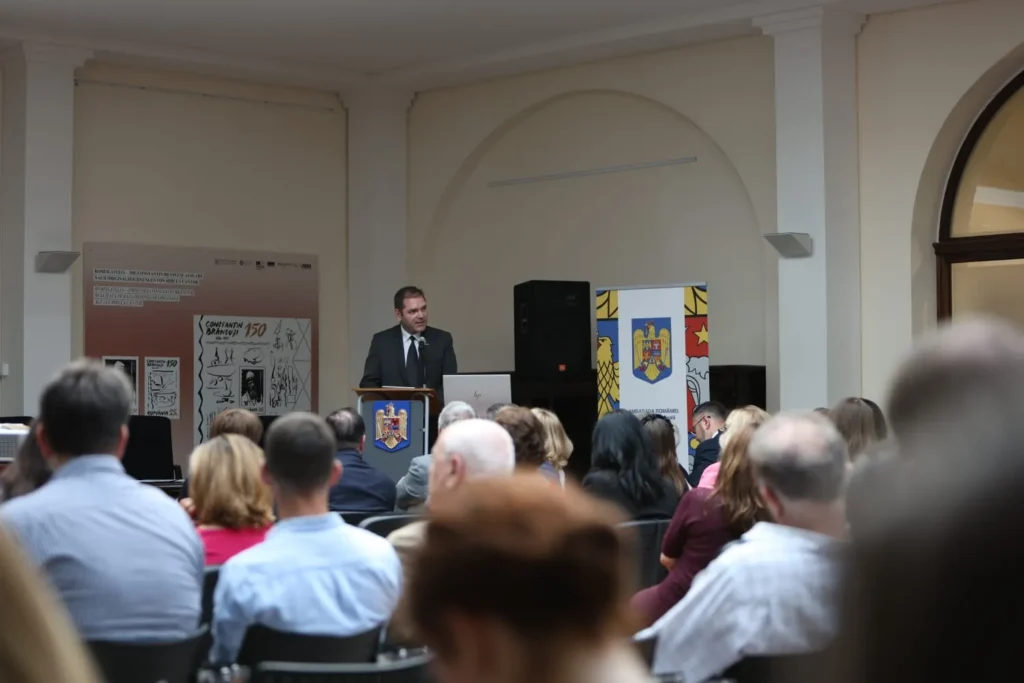
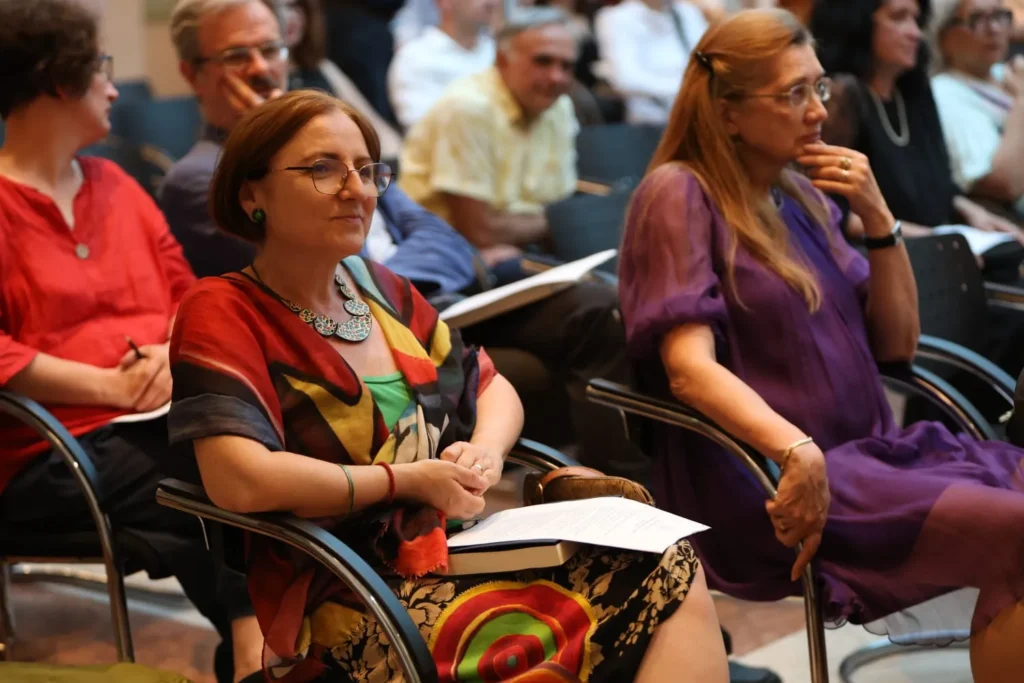
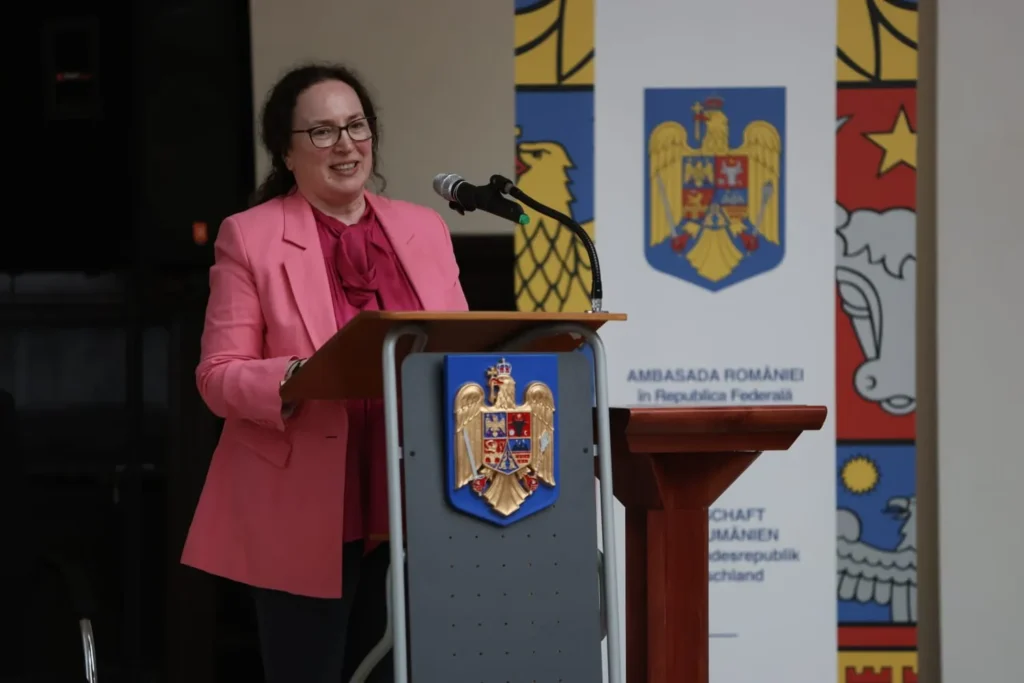
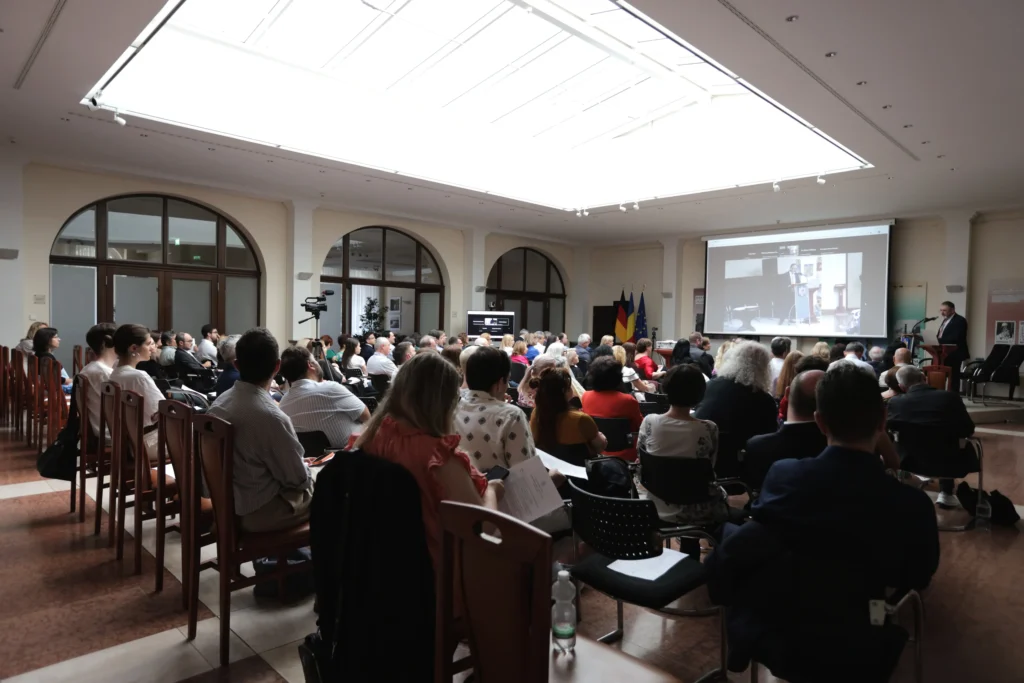
Between 19 and 21 June 2026, a delegation from the University of Bucharest participated in the 2026 edition of the Academic Diaspora Forum held in Berlin, an event dedicated to strengthening cooperation between the Romanian academic diaspora and higher education and research institutions in Romania.
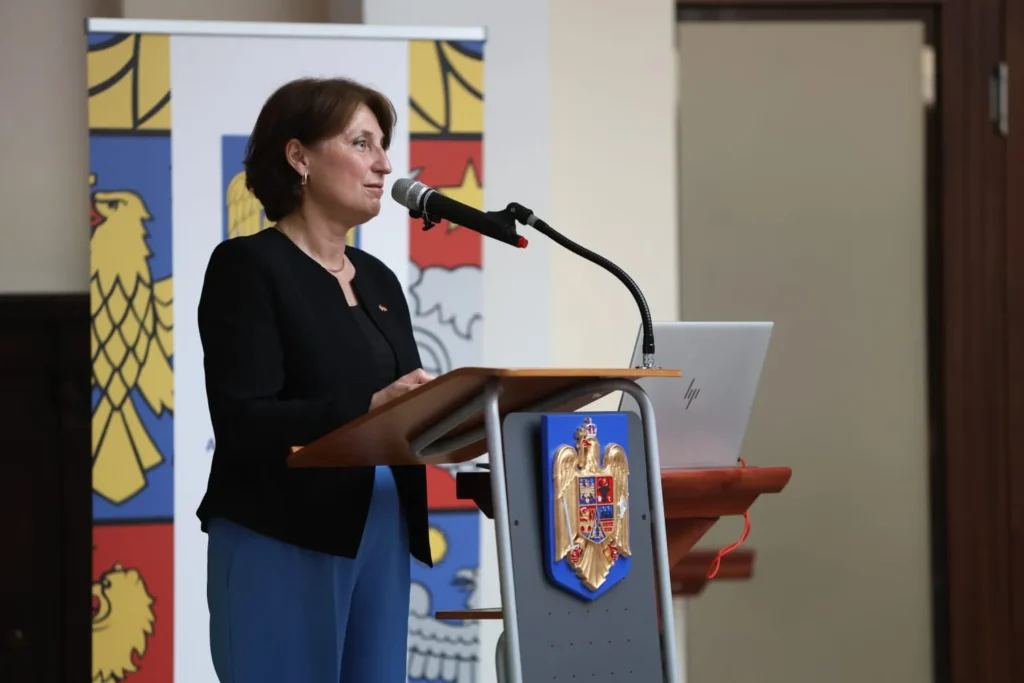
Organized under the auspices of the Embassy of Romania to the Federal Republic of Germany, the forum brought together representatives of Romania’s leading universities, members of the Romanian academic diaspora, and prominent figures from academia and public life.
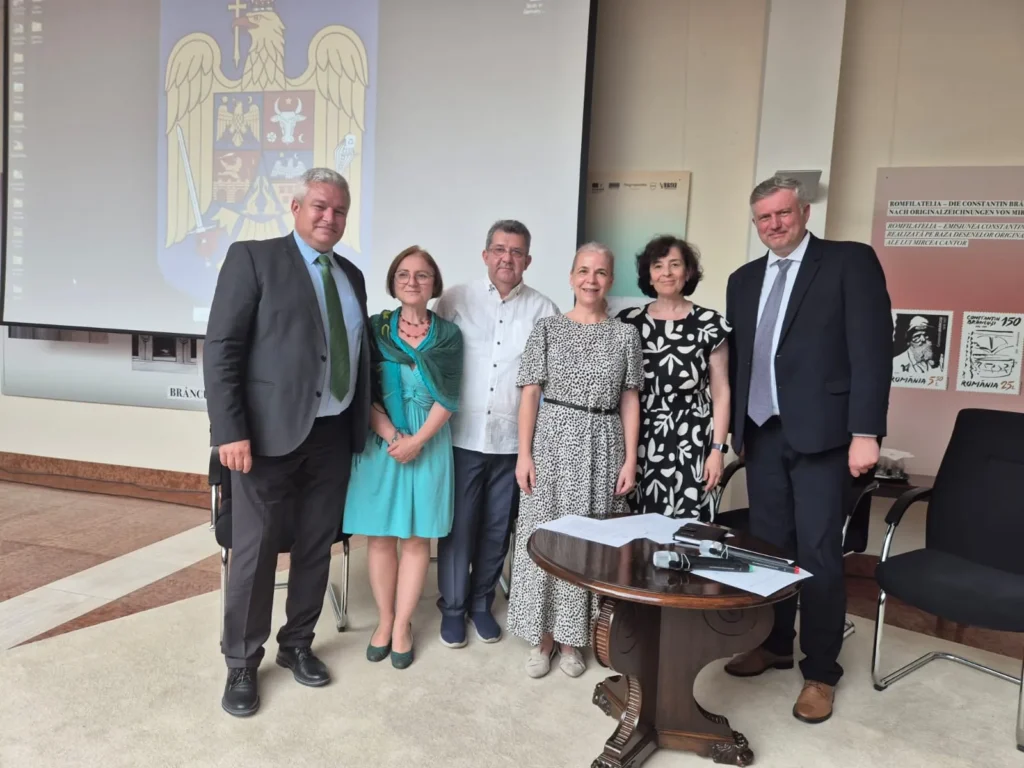
The University of Bucharest was represented by Professor Marian Preda, PhD, Rector of the University of Bucharest, Professor Carmen Chifiriuc, PhD, Vice-Rector for Research, Professor Bogdan Murgescu, PhD, Vice-Rector for Human Resources and Budgetary Affairs. Professor Marian-Gabriel Hâncean, PhD, faculty member at the Faculty of Sociology and Social Work, and Professor Emeritus Liviu Papadima, PhD.. The University’s presence and visibility at the event were further enhanced by the participation of Professor Sorin Costreie, PhD, Presidential Adviser for Education and Research and Coordinator of the CIVIS Alliance at the University of Bucharest, Academician Marius Andruh, President of the Romanian Academy and faculty member at the Faculty of Chemistry, and Professor Emeritus Emil Constantinescu, PhD, former Rector of the University of Bucharest and former President of Romania.
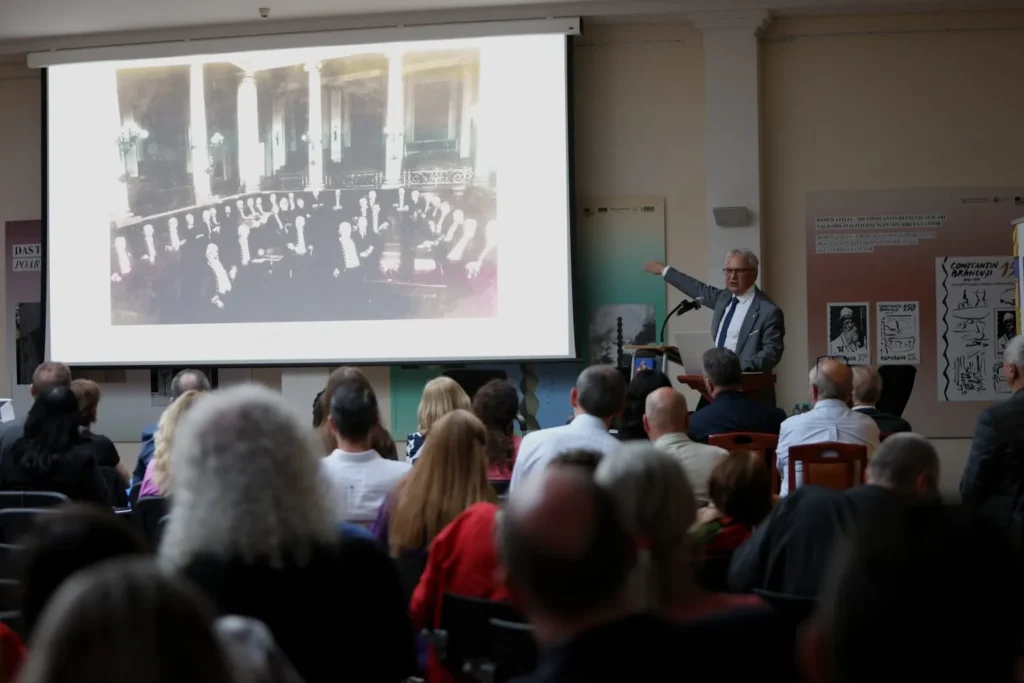
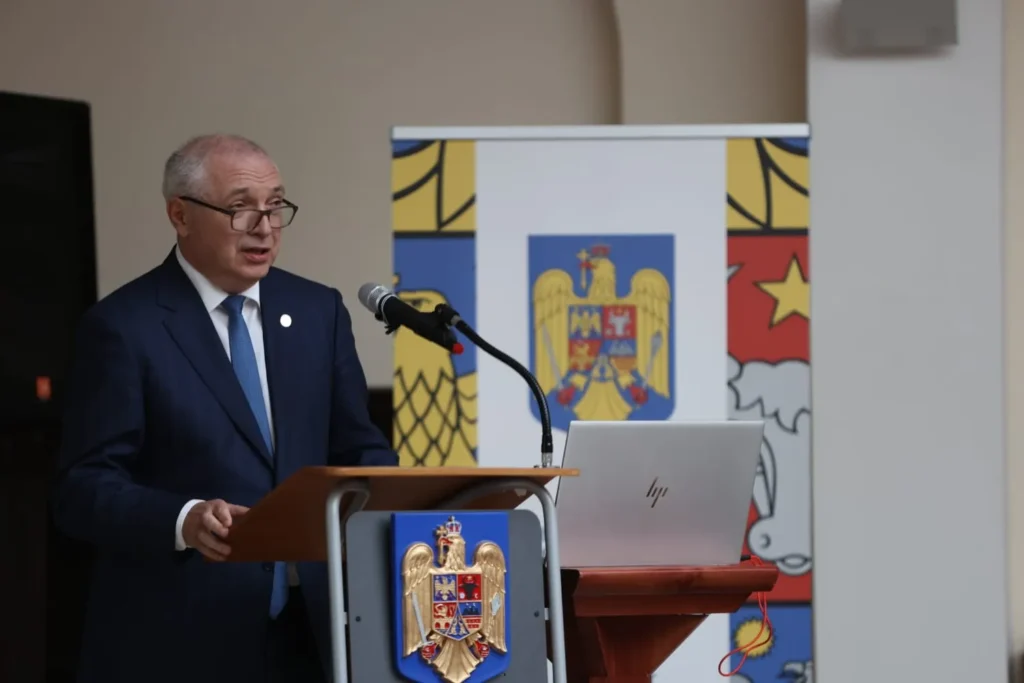
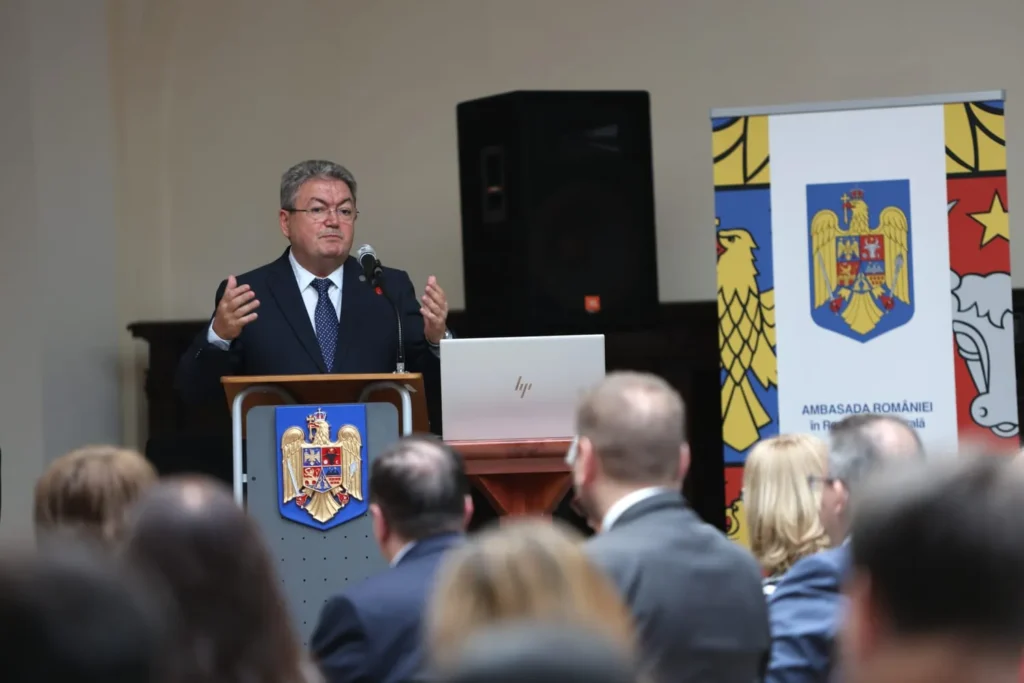
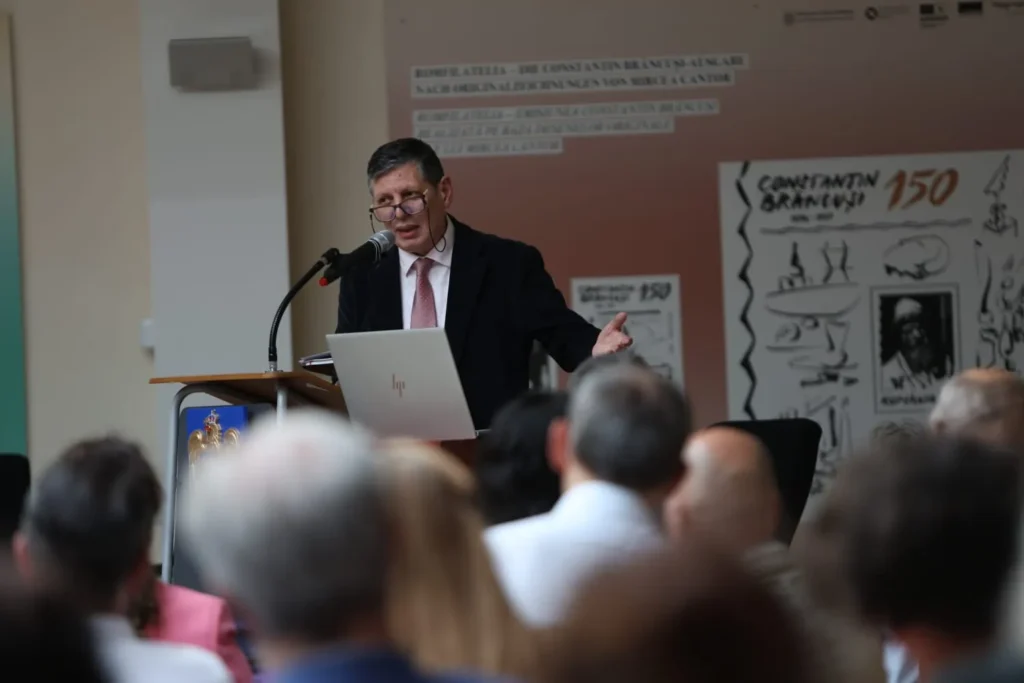
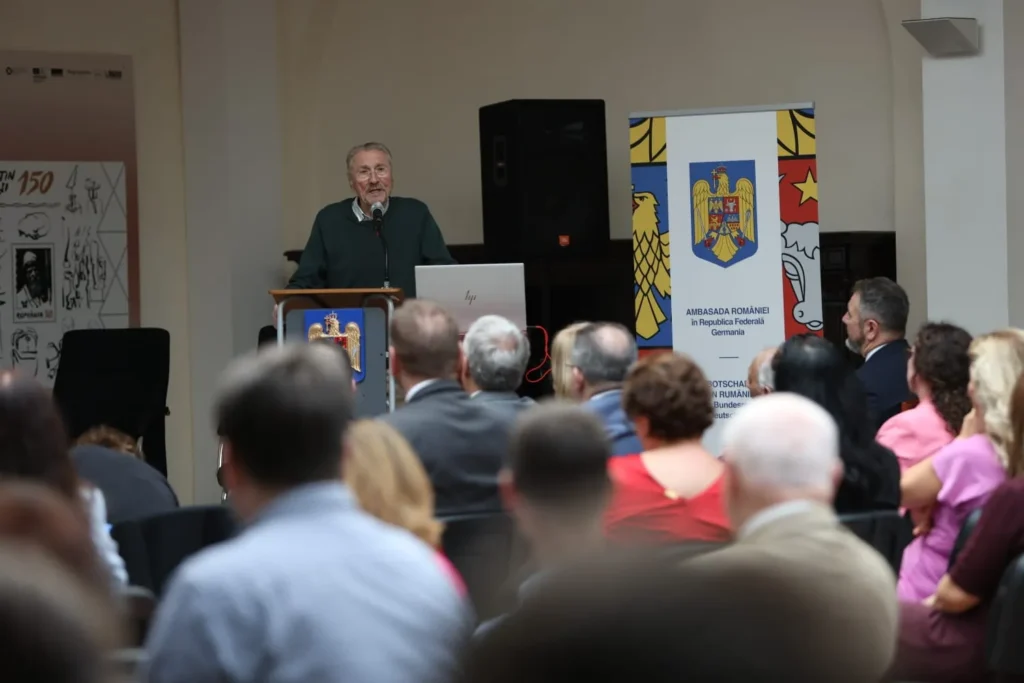
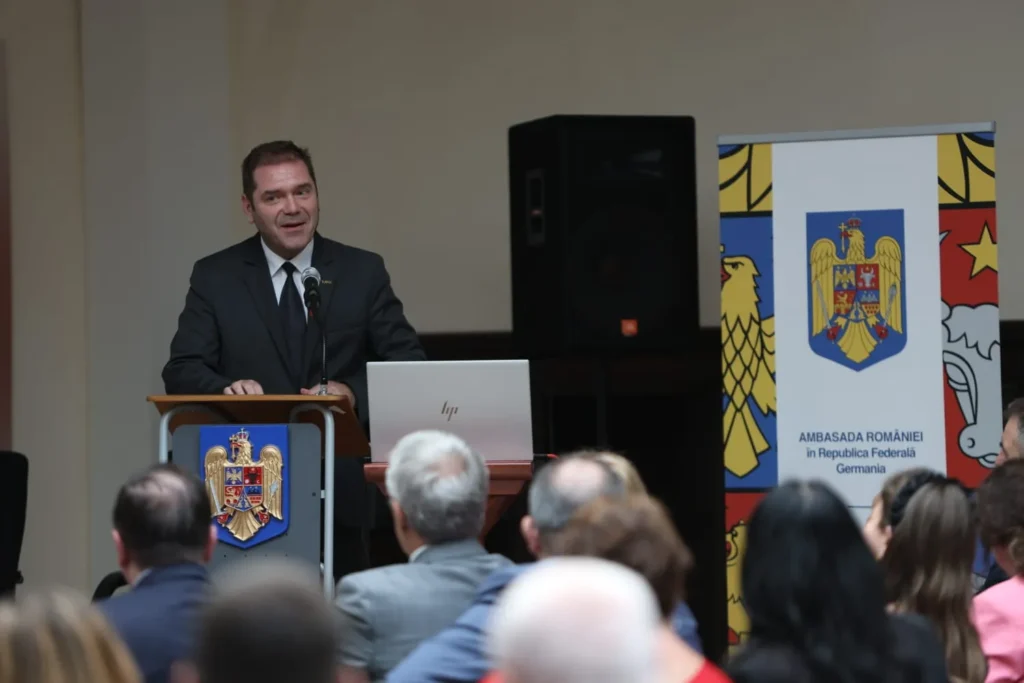
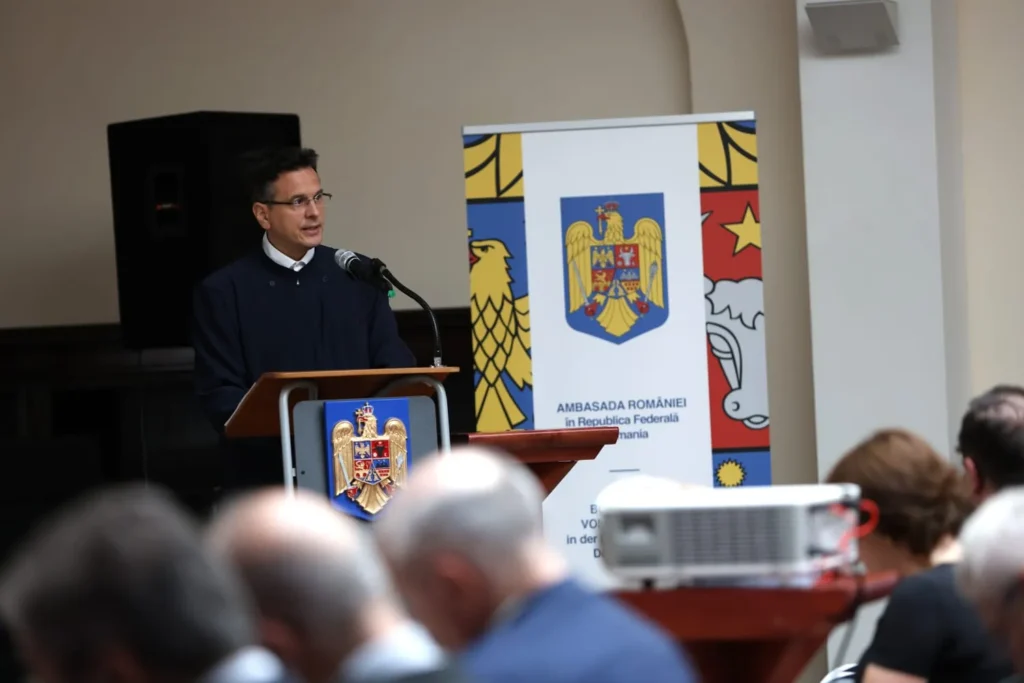
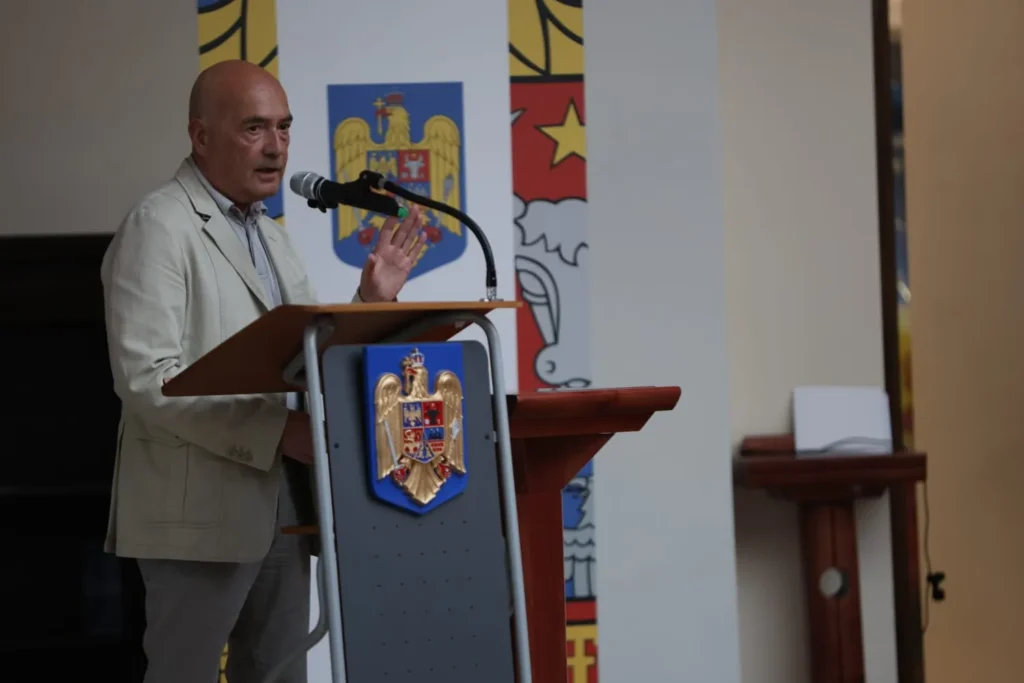
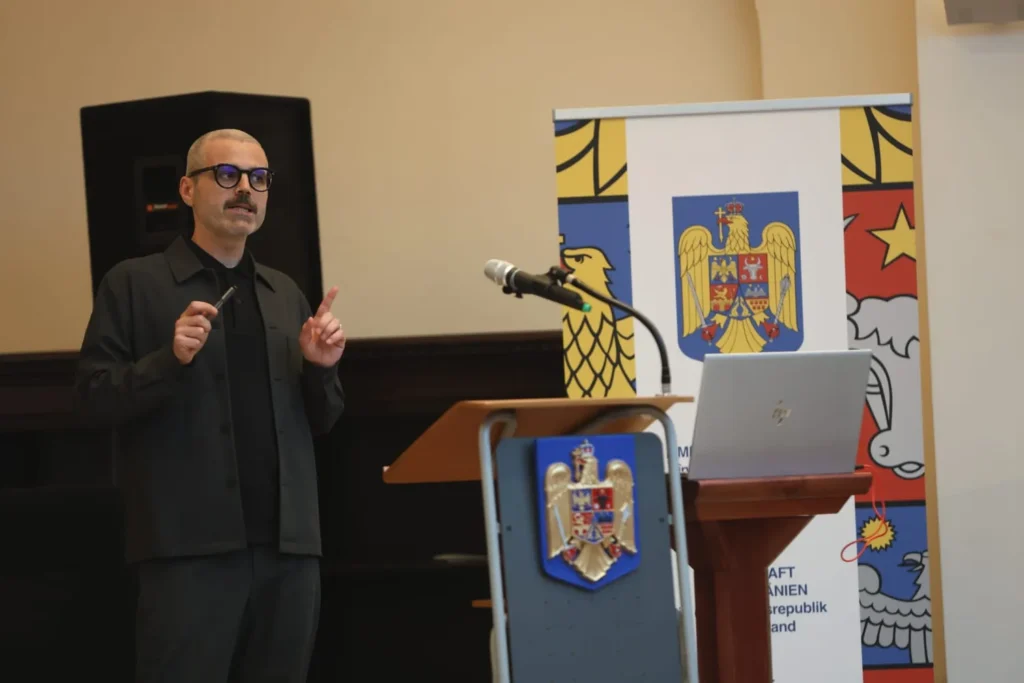
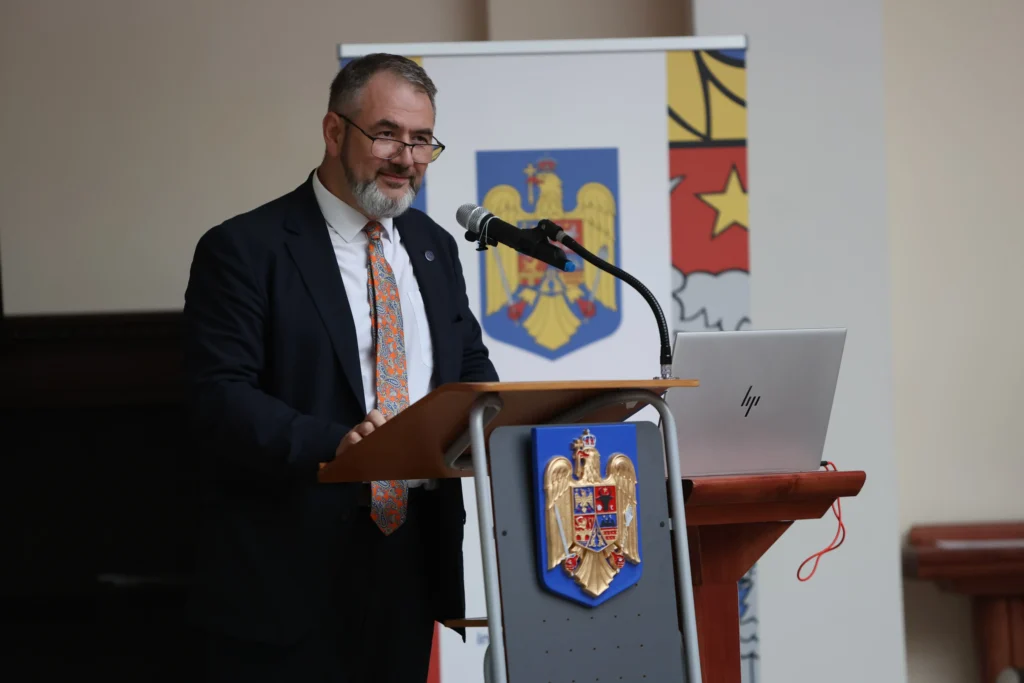
During the forum’s opening session, Professor Marian Preda delivered a message on behalf of the University of Bucharest and the Universitaria Consortium, emphasizing the importance of strengthening ties between Romanian universities and the academic diaspora, as well as their role in fostering an open, competitive academic environment capable of addressing contemporary societal challenges. Also during the opening session, Academician Marius Andruh delivered the presentation “The Romanian Academy Today”, offering an overview of the institution’s role and evolution in the current academic landscape. Professor Marian-Gabriel Hâncean presented recent findings from his research on the mechanisms through which relational structures shape contemporary social dynamics in his lecture, “How Society Works Through Social Networks.”
This year’s edition of the forum aimed to consolidate a permanent framework for dialogue and cooperation between Romanian universities and research institutions and members of the Romanian academic diaspora, built around shared objectives and interests. The goal is to support the development of collaborative projects in education, research, and innovation.
The programme featured plenary sessions, panels dedicated to cooperation opportunities involving the academic diaspora, presentations by participating universities, and thematic working groups in the fields of social sciences, humanities and the arts, medicine and life sciences, as well as engineering and technical sciences.
In this context, the forum sought not only to facilitate the exchange of experience and strengthen existing collaborations, but also to identify new avenues for cooperation that can harness the expertise and contributions of the academic diaspora to the advancement of Romanian higher education and research.
Discussions highlighted the significant potential for cooperation between Germany and Bucharest through joint Horizon Europe, ERC and MSCA projects, co-supervised doctoral programmes, academic mobility schemes, research placements, summer schools, workshops, mentoring initiatives, joint publications, and access to European research infrastructures and networks.
Participants also emphasized the need to develop a dedicated platform for identifying project partners, facilitating the exchange of best practices, and strengthening mentoring programmes, doctoral co-supervision, advanced training opportunities, and participation in international consortia. Such initiatives would enable the expertise of the academic diaspora to be connected more effectively with the University of Bucharest’s priorities in research, innovation, and internationalization.
During the panel dedicated to universities, the University of Bucharest presented its main strategic directions in research and international cooperation, highlighting its interdisciplinary profile, research infrastructures, the ICUB platforms, fellowships for early-career researchers and visiting professors, support mechanisms for ERC applications, and ongoing strategic projects in areas such as health, climate change, biodiversity, bioeconomy, delta systems, digital transformation, heritage, and social sciences.
Alongside the University of Bucharest, the event brought together representatives of the universities that are members of the Universitaria Consortium, the Babeș-Bolyai University of Cluj-Napoca, the Alexandru Ioan Cuza University of Iași, the West University of Timișoara, and the Lucian Blaga University of Sibiu, as well as representatives of other Romanian higher education institutions, including the Carol Davila University of Medicine and Pharmacy in Bucharest, the Iuliu Hațieganu University of Medicine and Pharmacy in Cluj-Napoca, the Victor Babeș University of Medicine and Pharmacy in Timișoara, the George Emil Palade University of Medicine, Pharmacy, Science and Technology of Târgu Mureș, the National University of Science and Technology POLITEHNICA Bucharest, the Technical University of Cluj-Napoca, the Gheorghe Asachi Technical University of Iași, and Politehnica University Timișoara.

Postări asemănătoare:
 CIVIS Days 2026 @ UB: Three Days That Turned Bucharest into the Capital of European Higher Education
 Two Professors from the University of Bucharest, Representatives of Romania at the Europe-Ukraine Forum: Culture and Resistance
 Academic Community of the University of Bucharest, invited to attend an online webinar organized by UNICA and King’s College London
 The students at the University of Bucharest, invited to the 2023 edition of the Forum of Romanian Diaspora Students
