




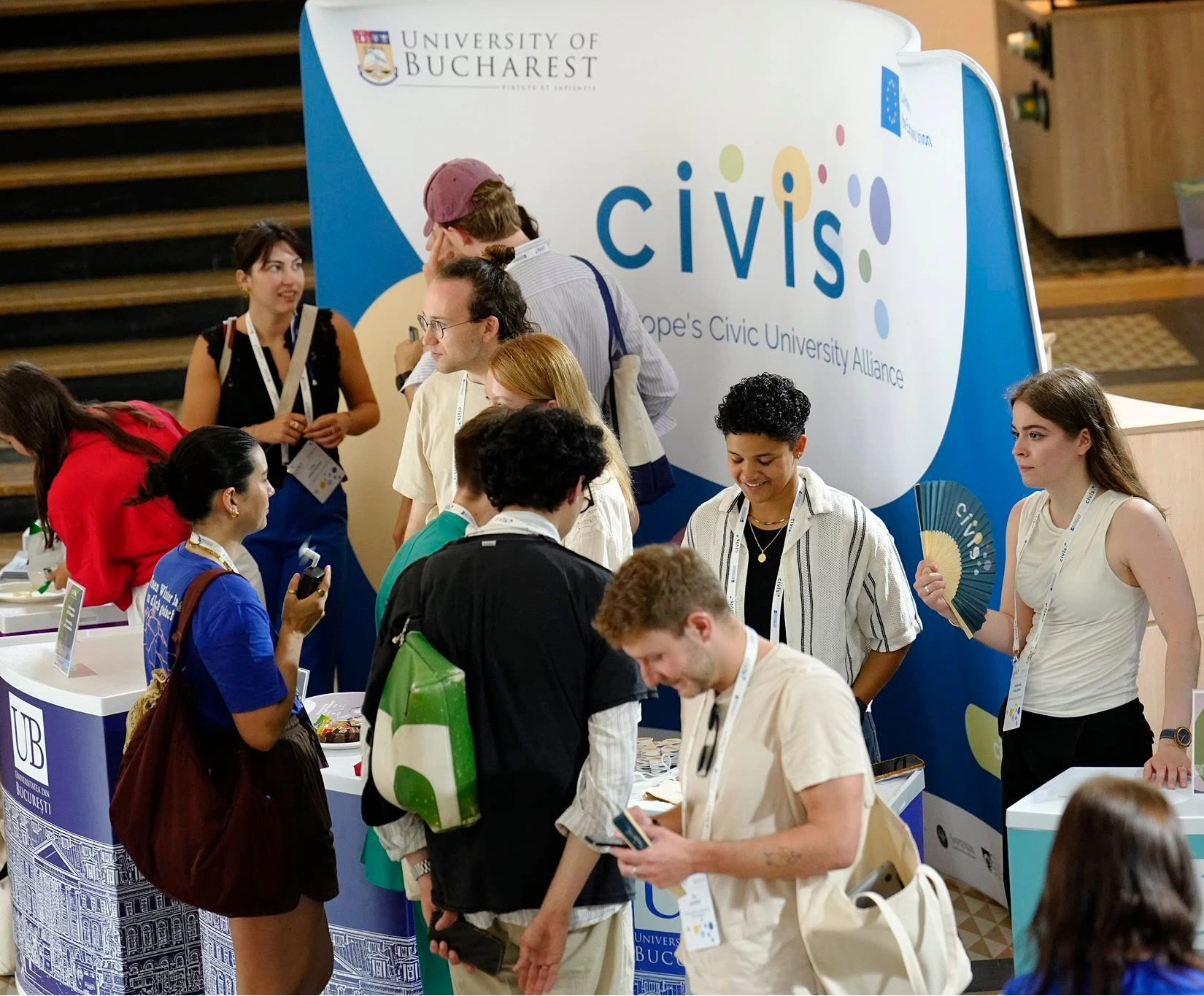
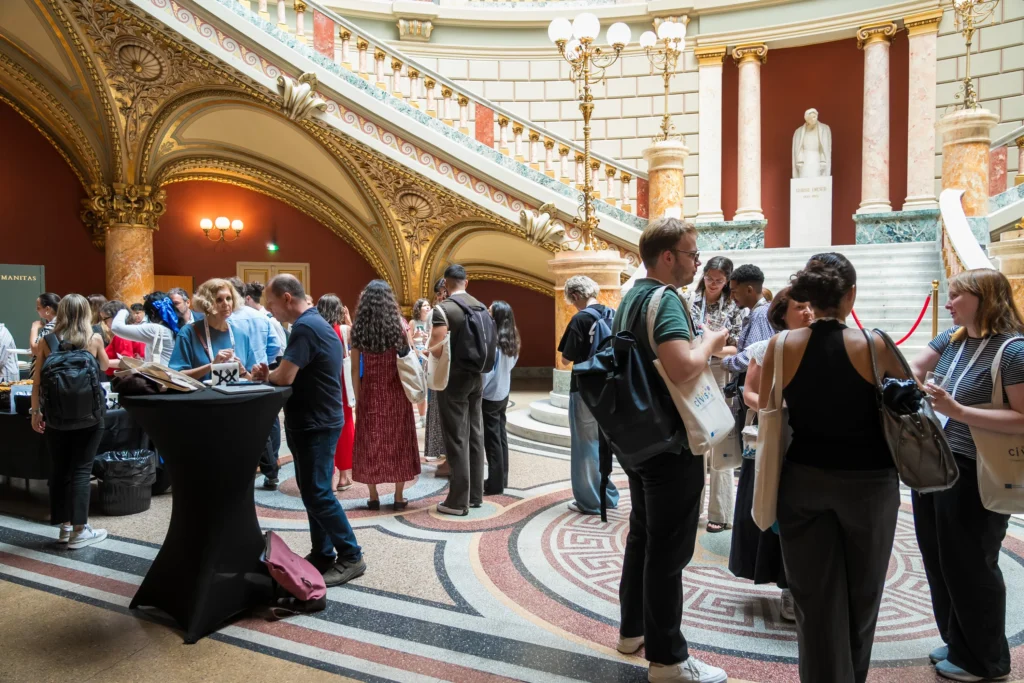
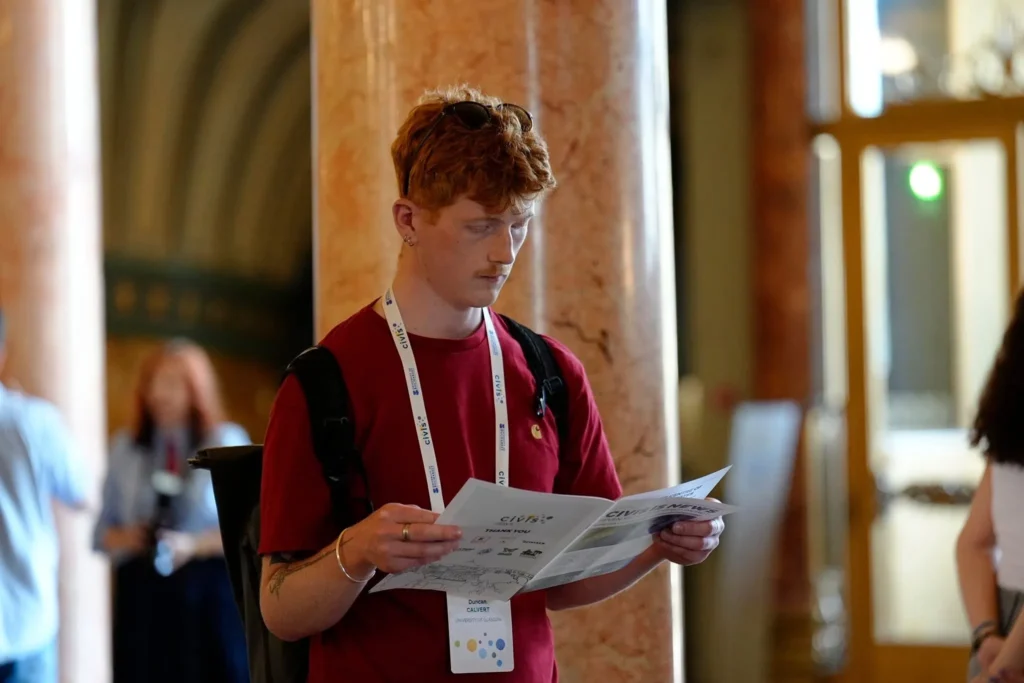
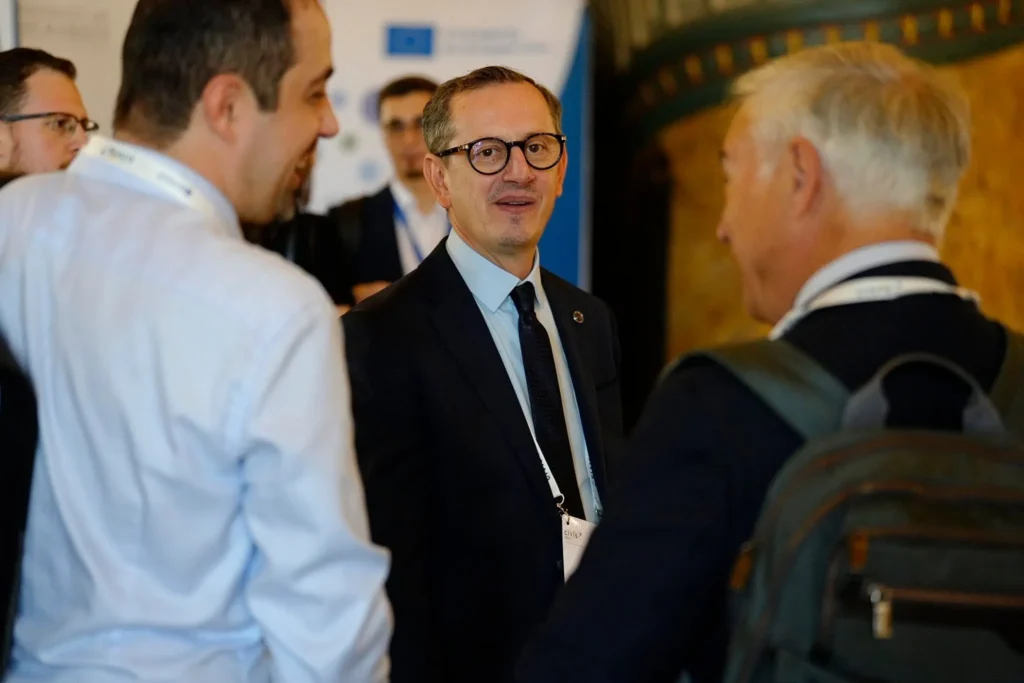
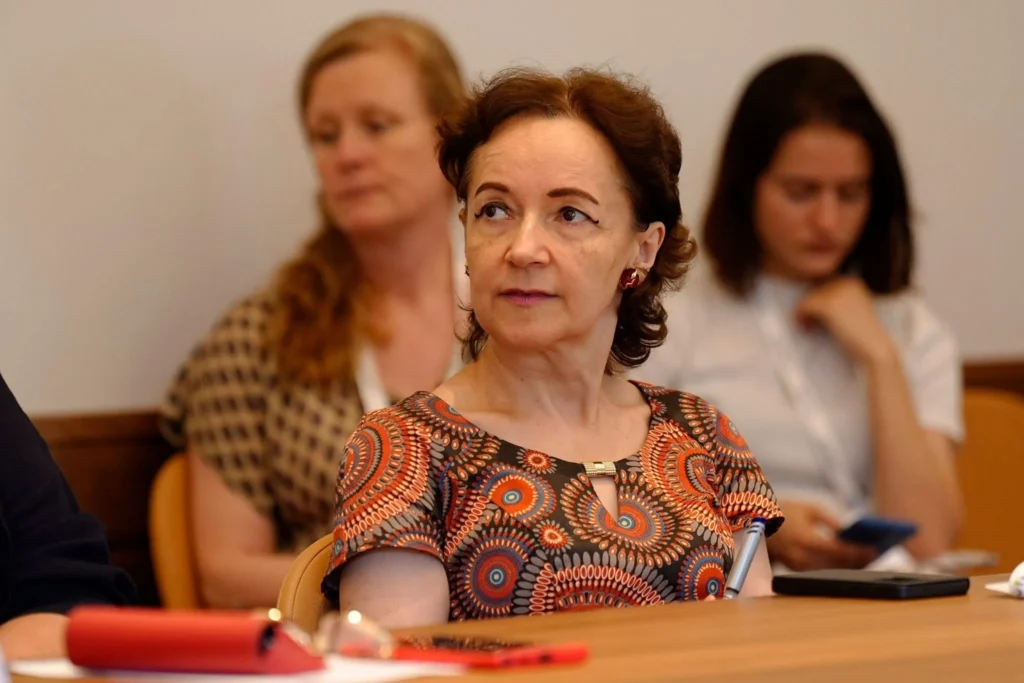
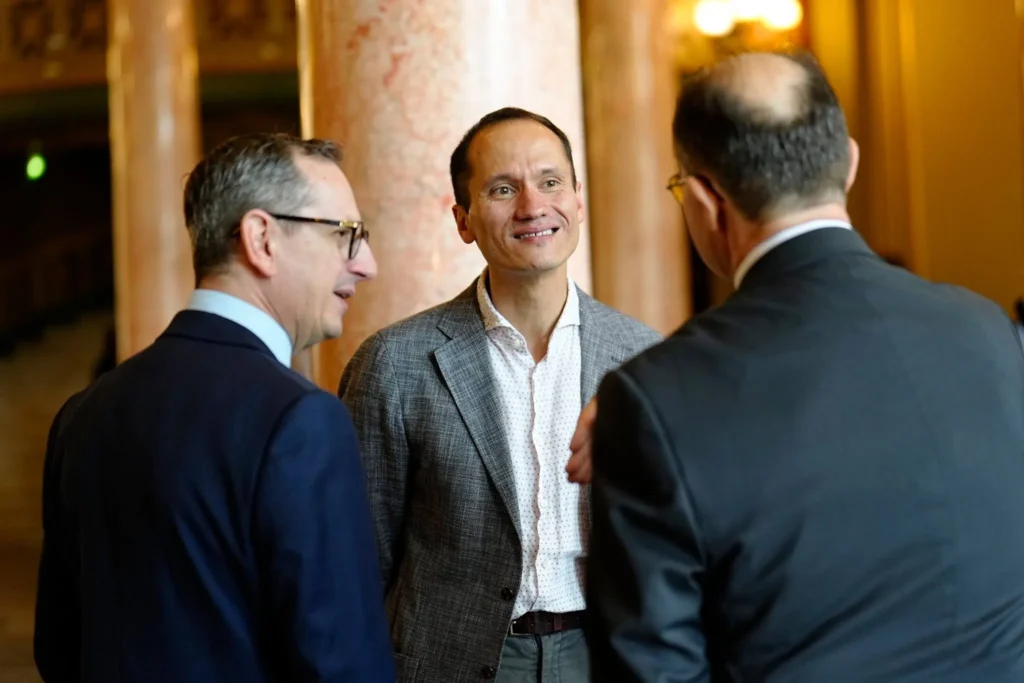
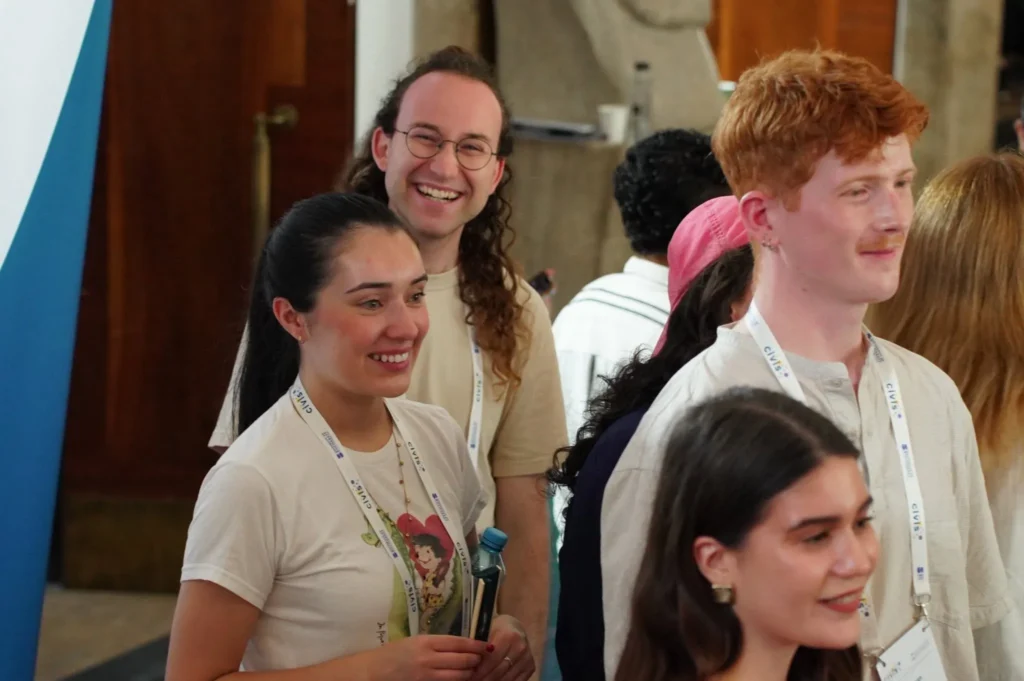
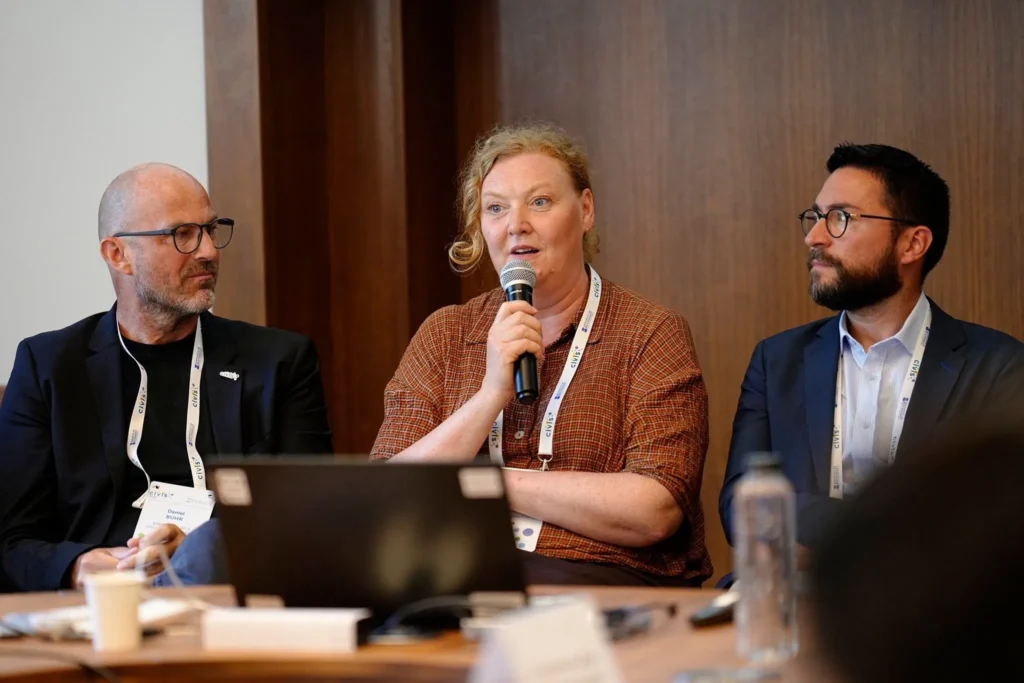
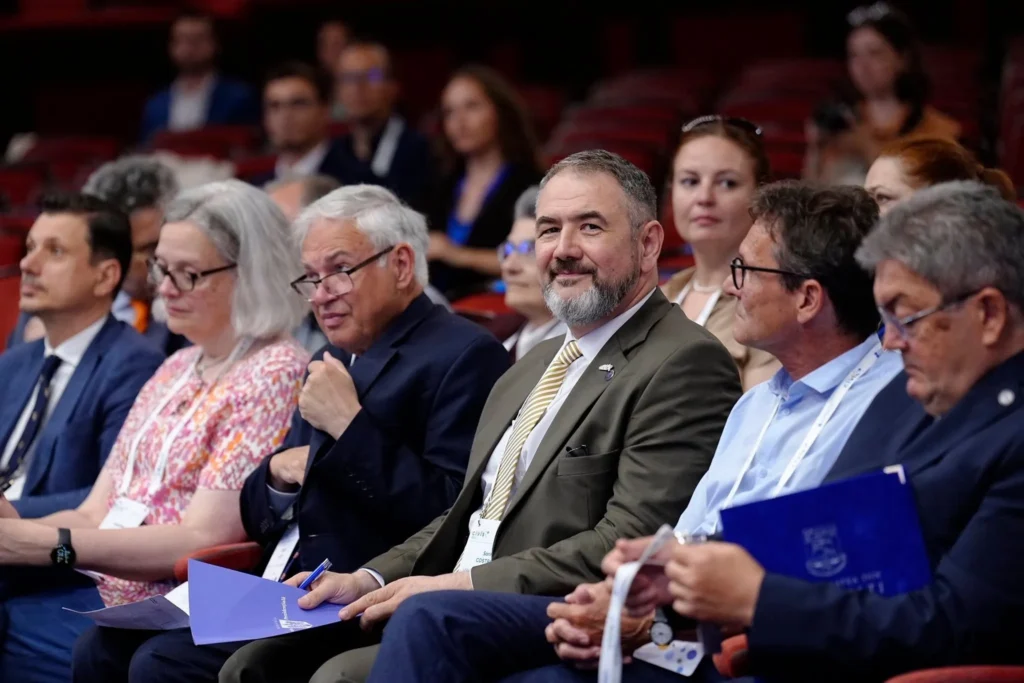
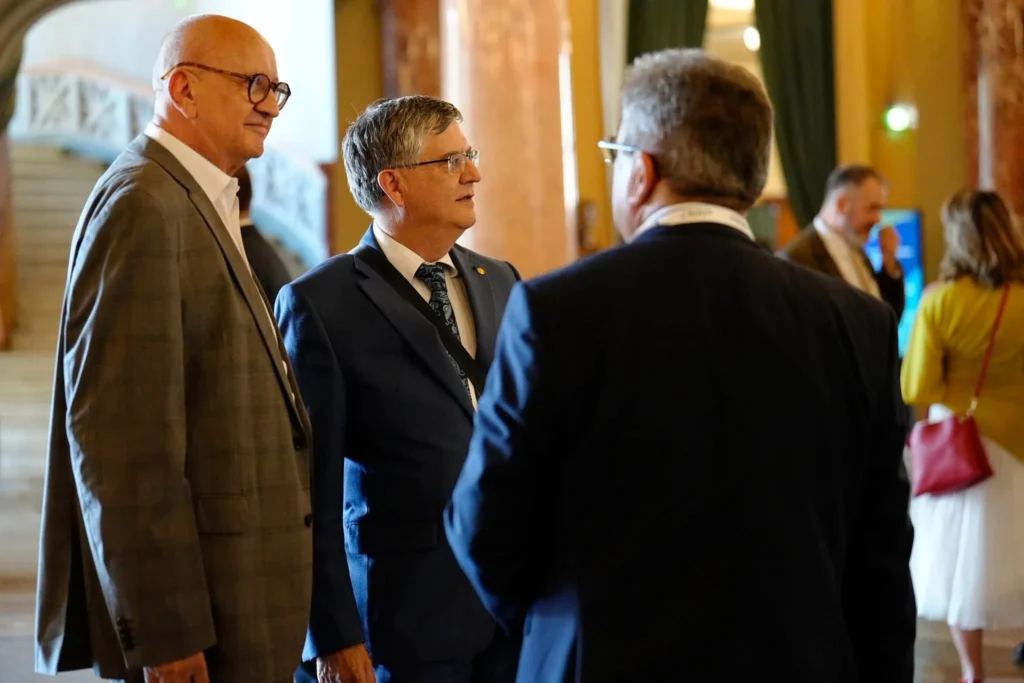
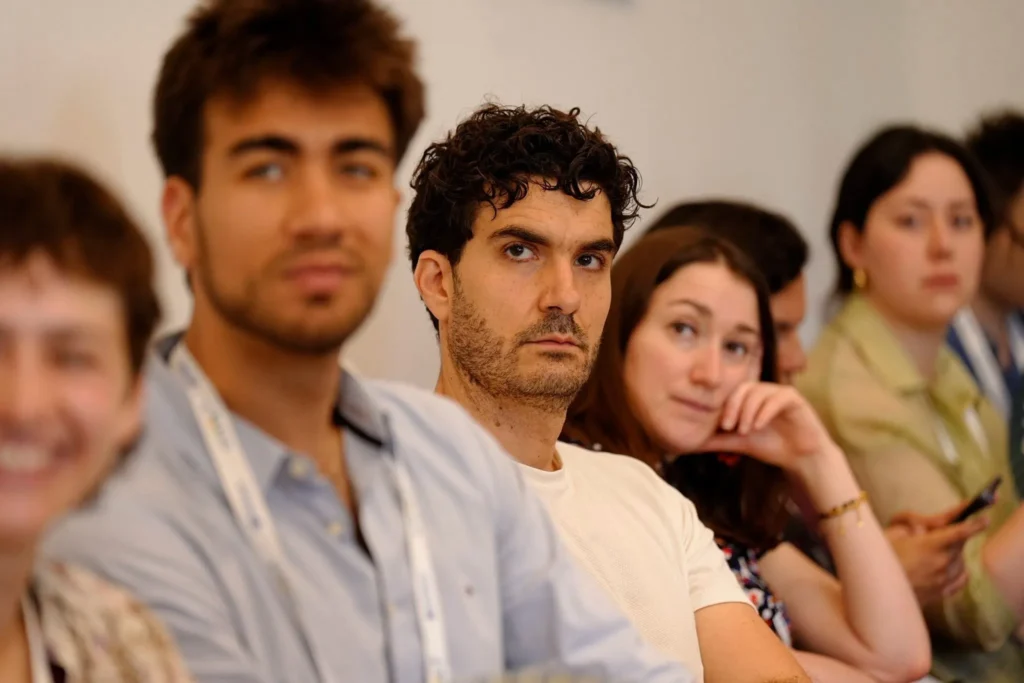
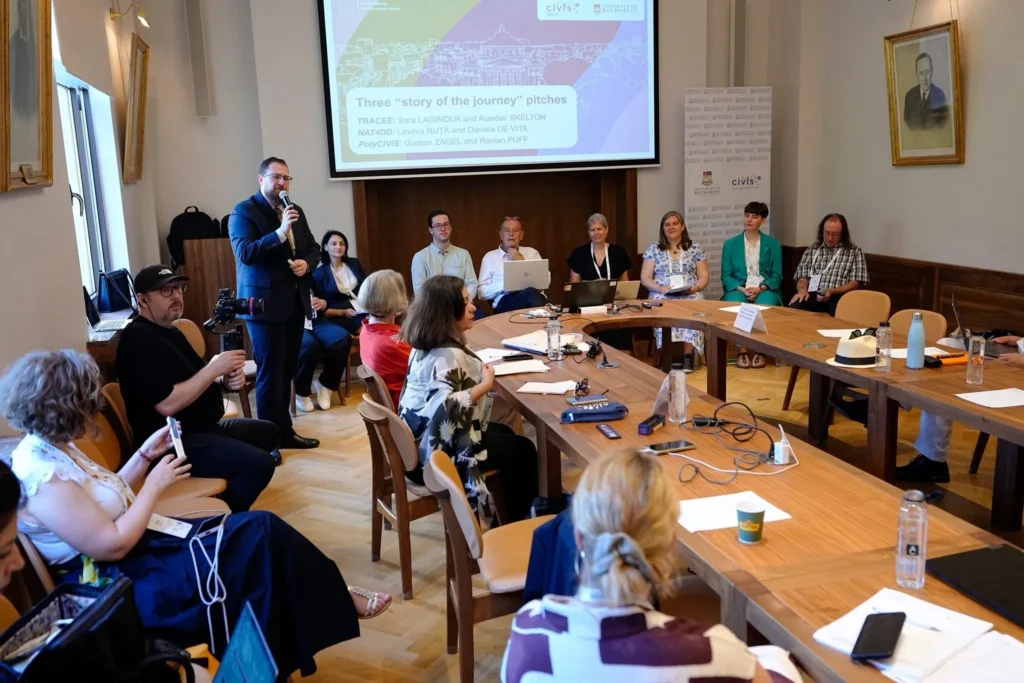
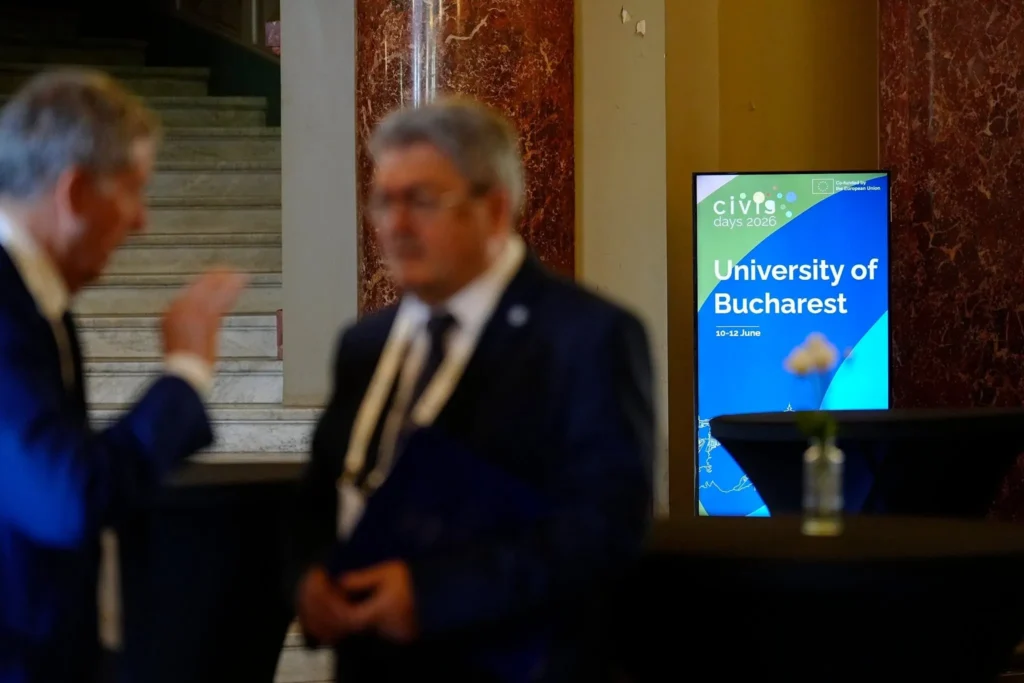
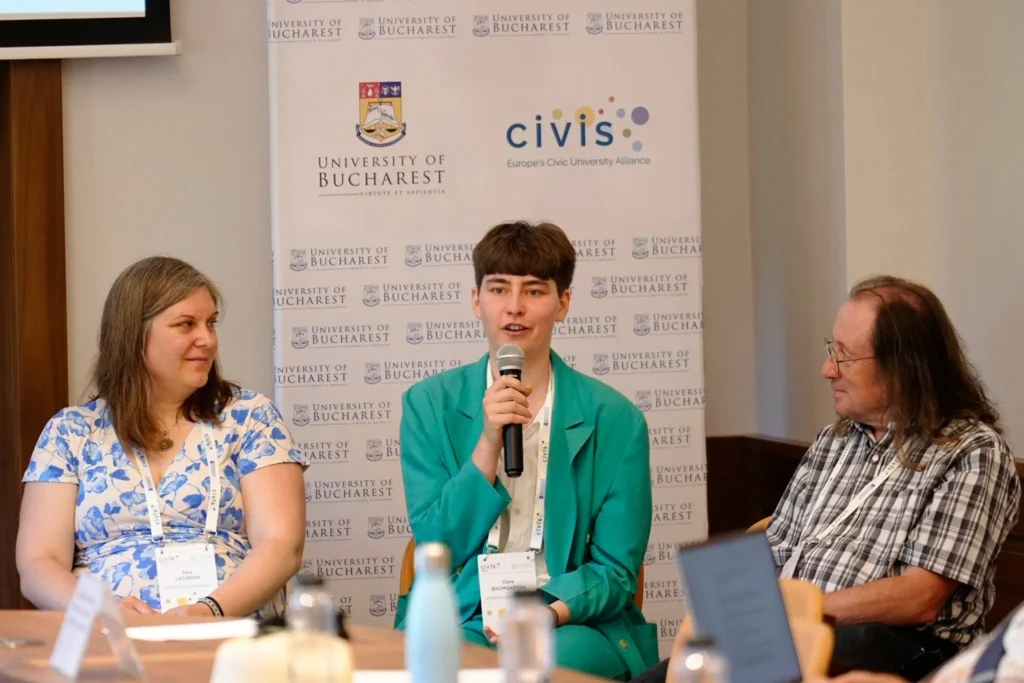
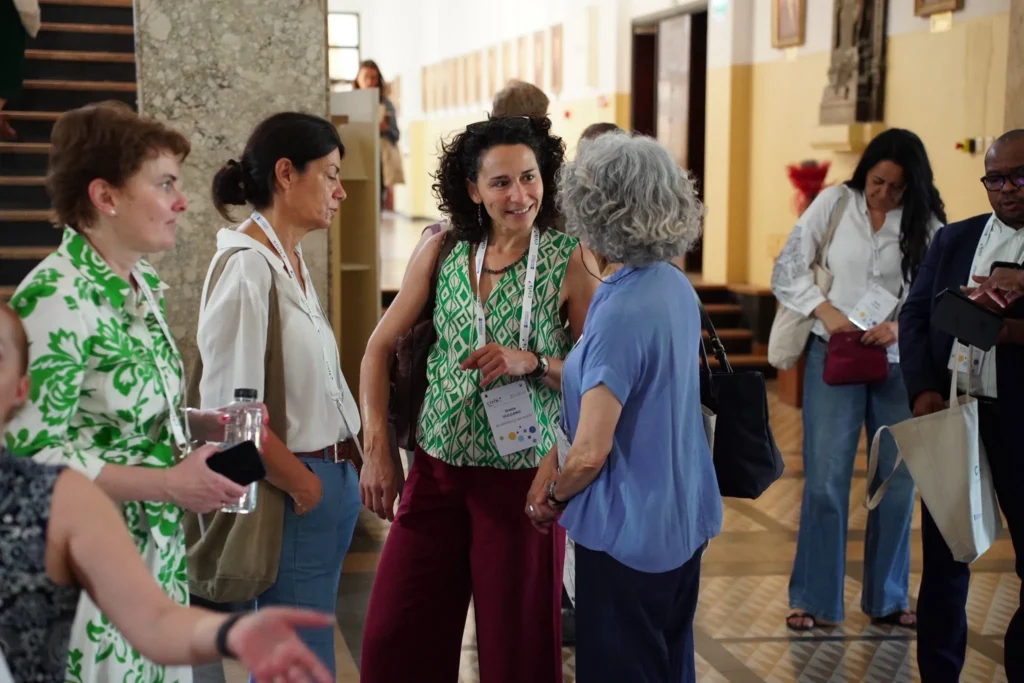
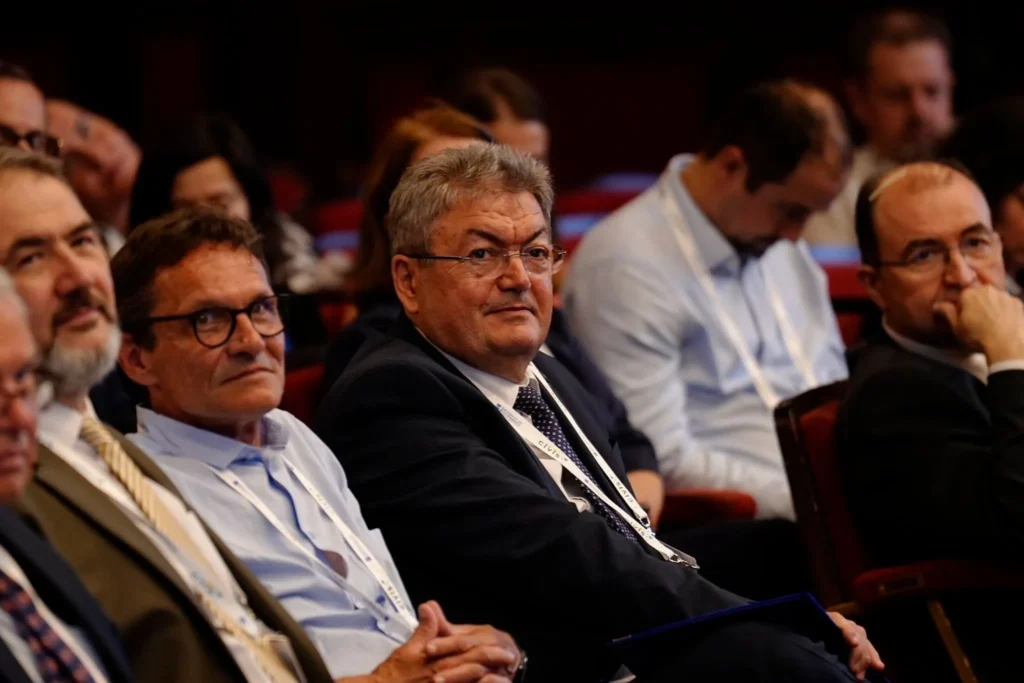
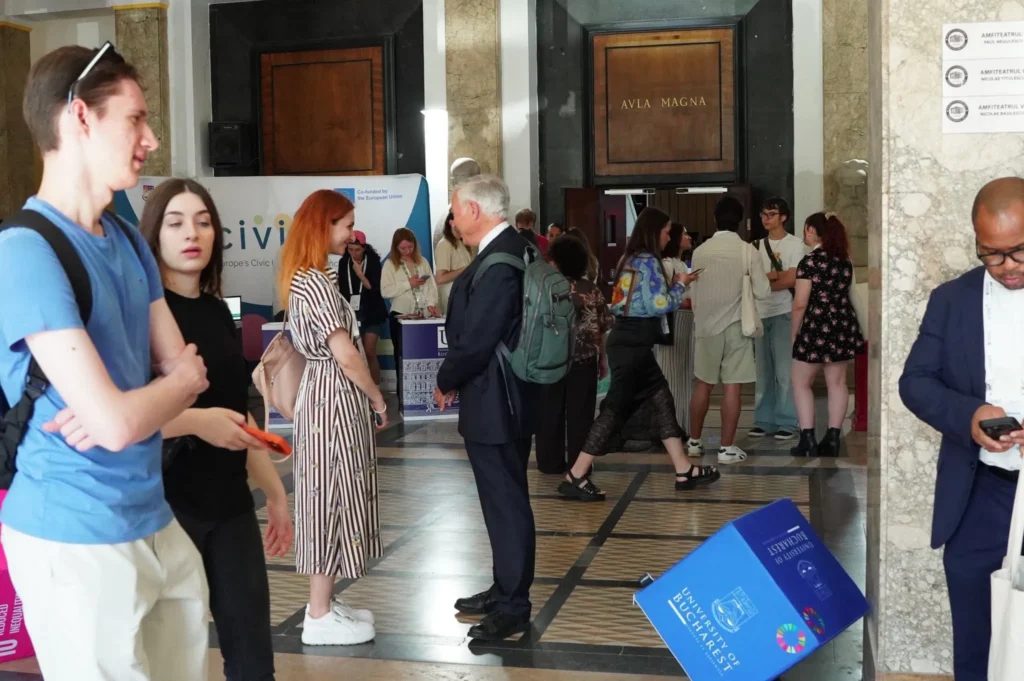
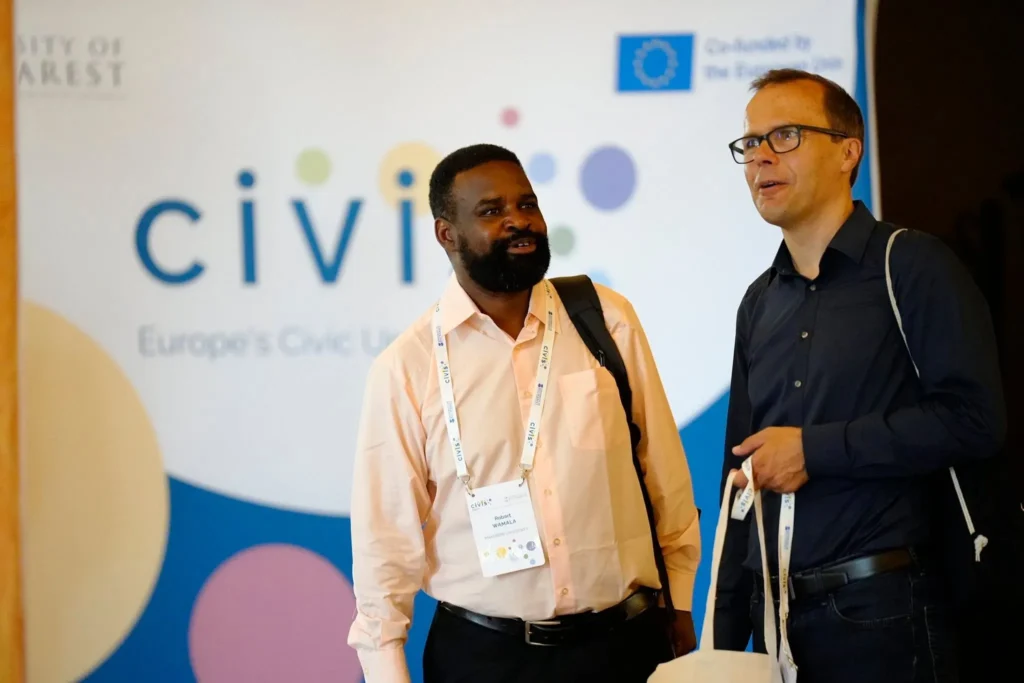
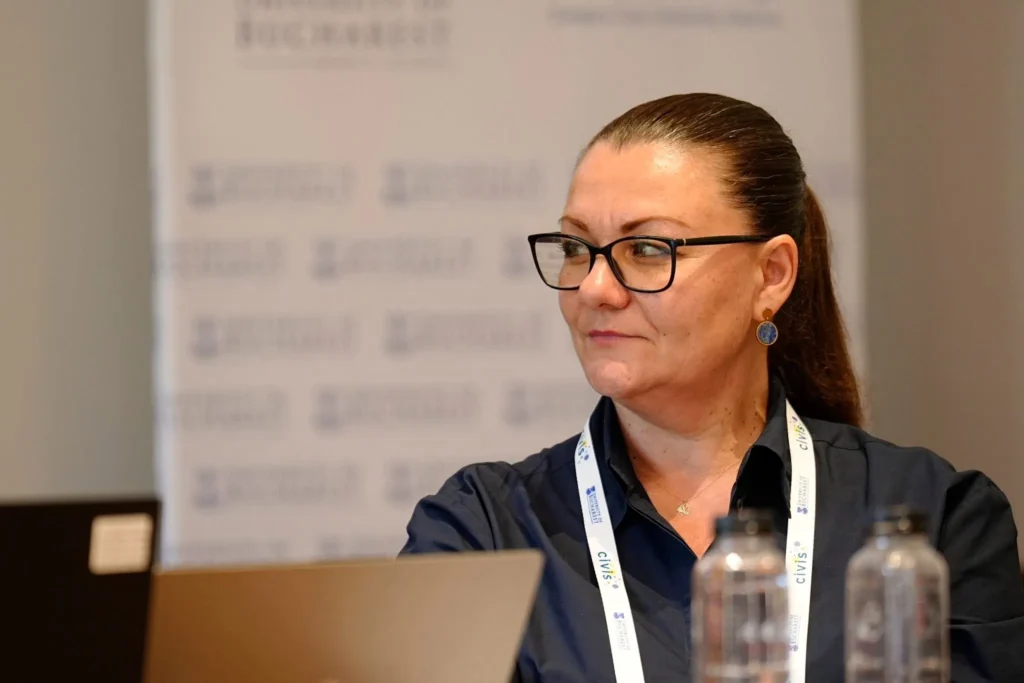
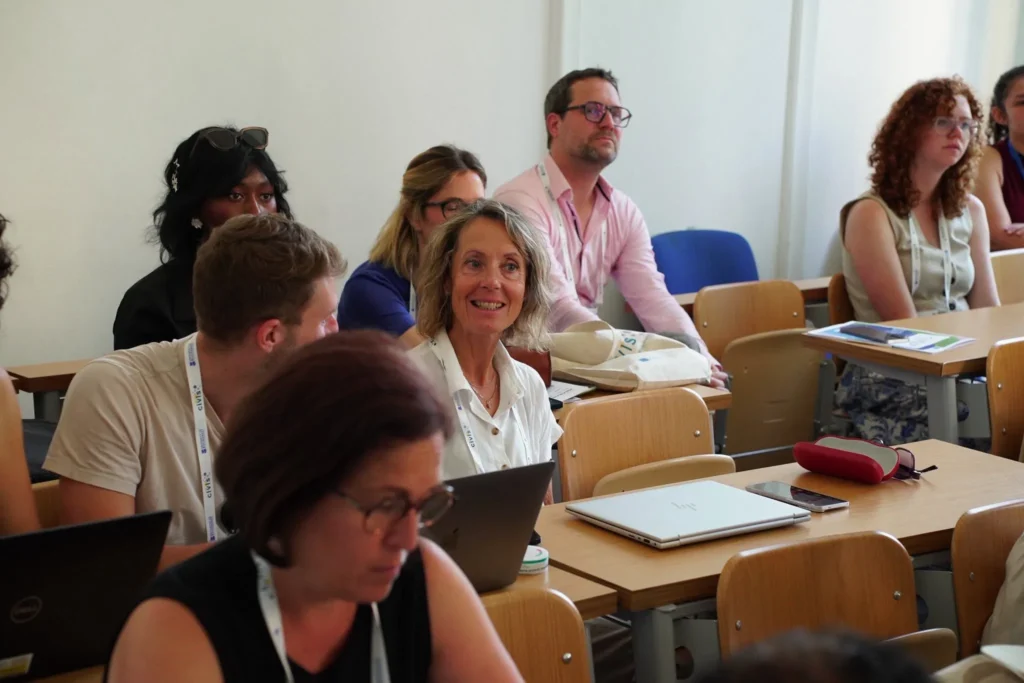
For three days, the University of Bucharest became a meeting point for some of the most influential voices in European higher education. Between 10 and 12 June 2026, CIVIS Days brought together hundreds of representatives from the 11 member universities of the CIVIS Alliance, six partner universities in Africa, European institutions, international organisations, and academic communities working together to shape one of the European Union’s most ambitious university initiatives.
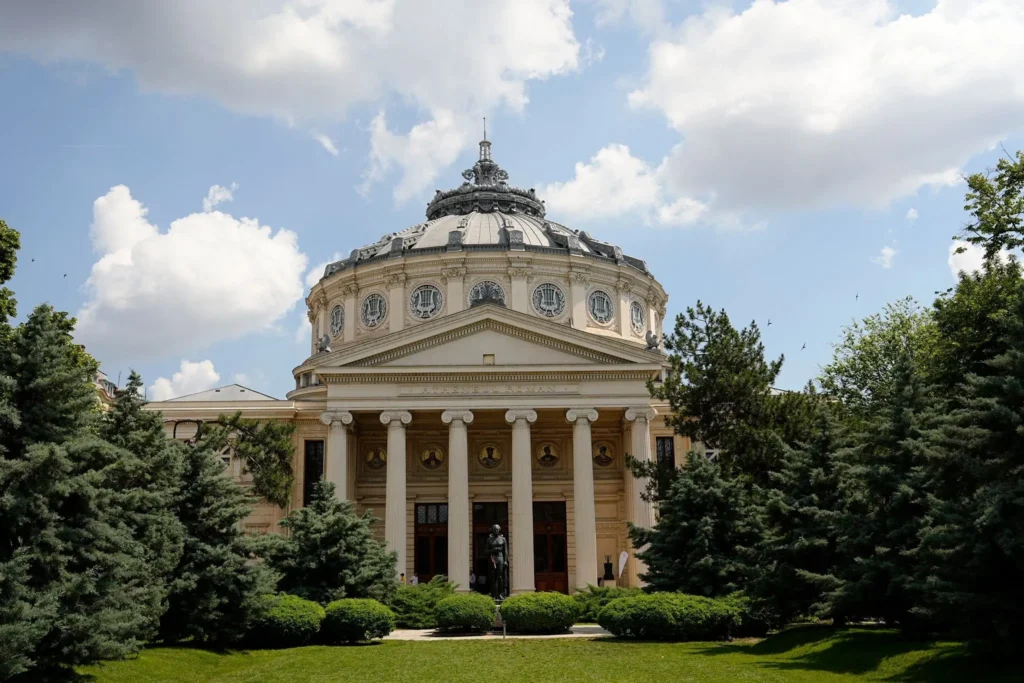
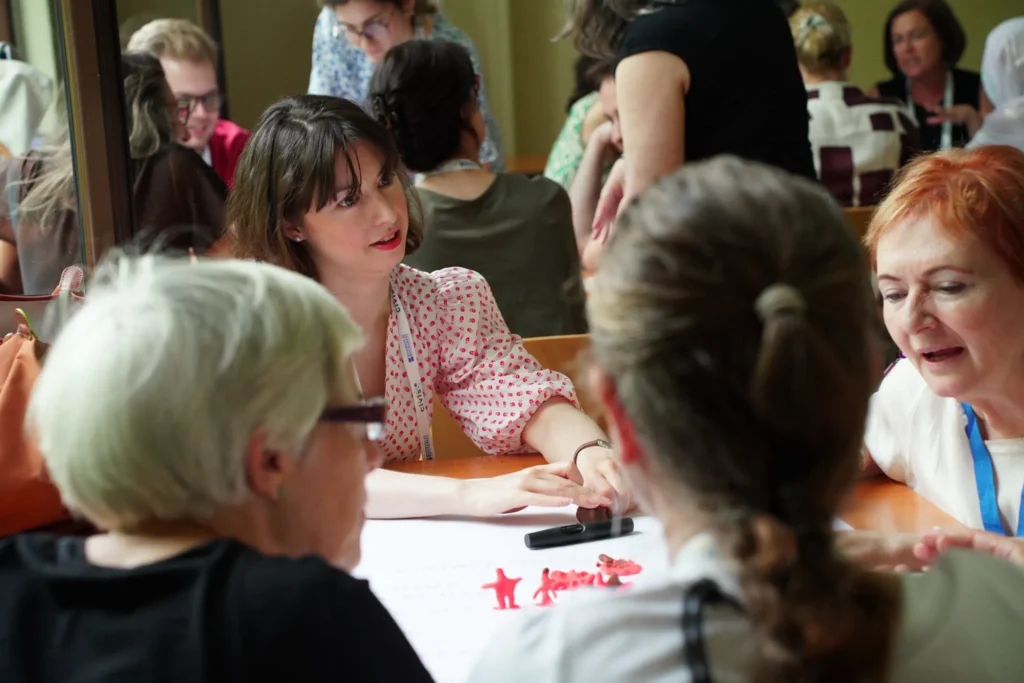
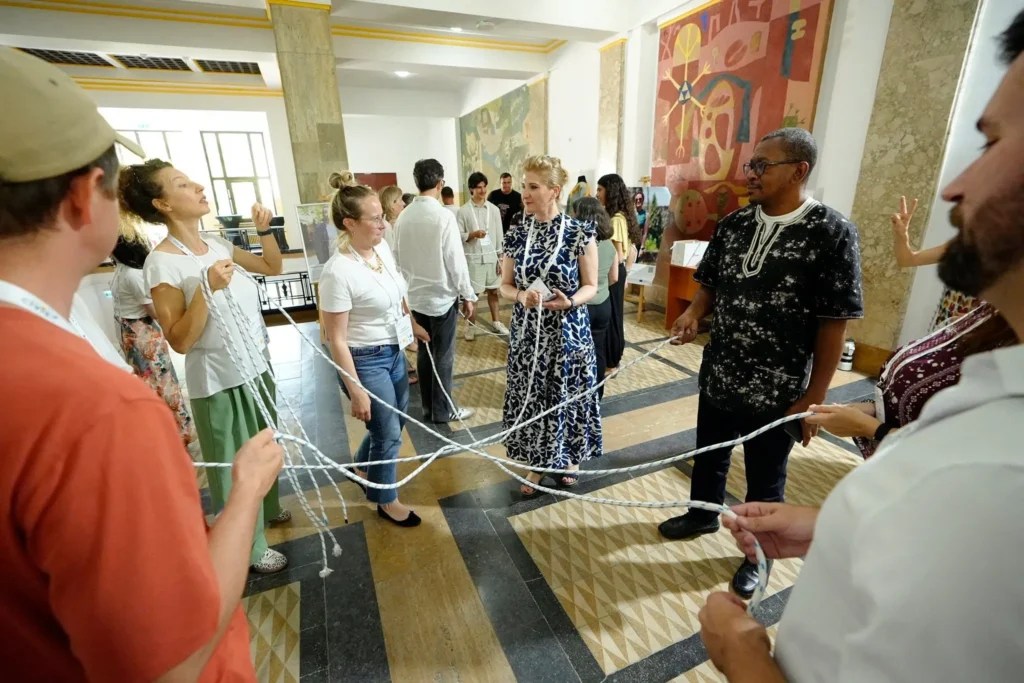
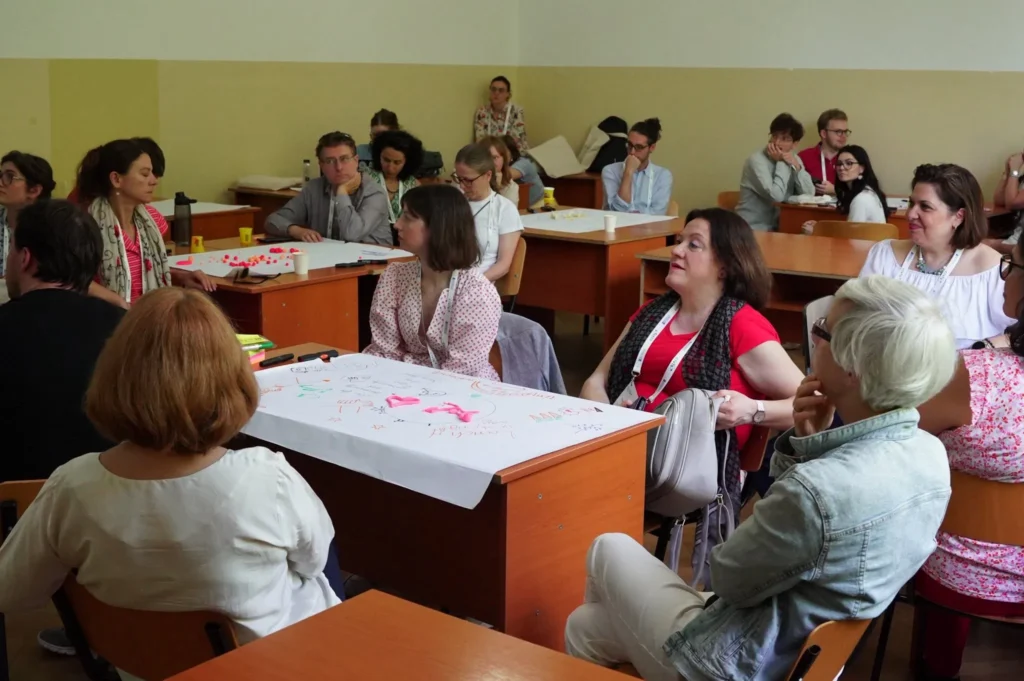
From high-level discussions at the Romanian Athenaeum to collaborative working sessions hosted by the Faculty of Law of the University of Bucharest, participants explored topics ranging from education, research, and academic mobility to civic engagement, sustainability, and digital transformation. Despite the diversity of themes, one message resonated throughout the event: in a world marked by geopolitical tensions, rapid technological change, and growing democratic challenges, universities must remain spaces of academic freedom, dialogue, and international cooperation.

CIVIS DAYS 2026 – Solidarity, Diplomacy, and European Integration
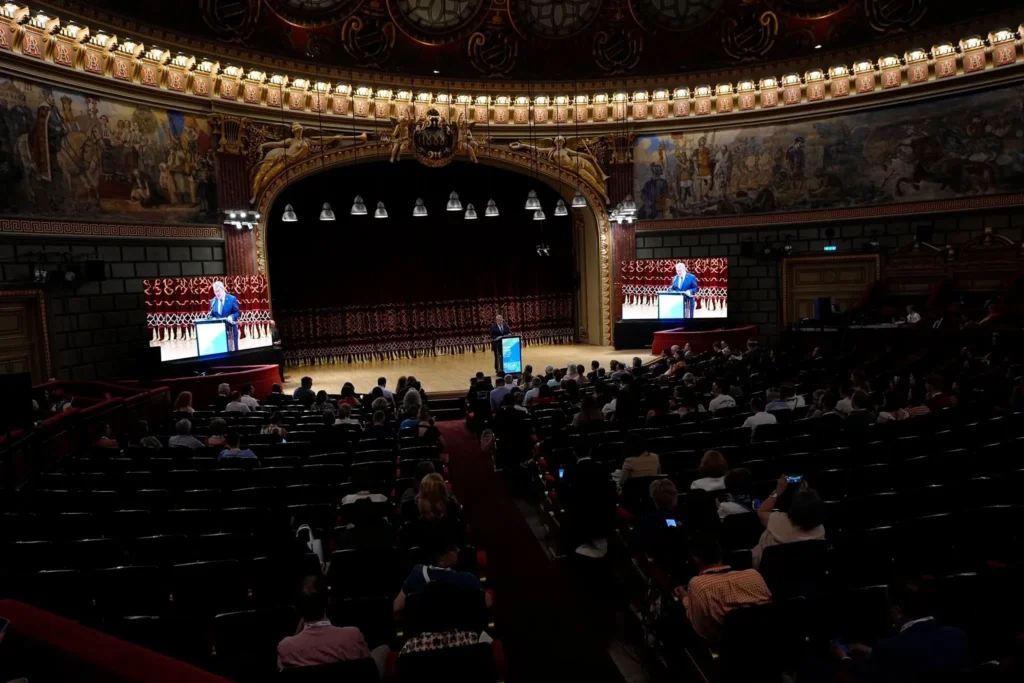
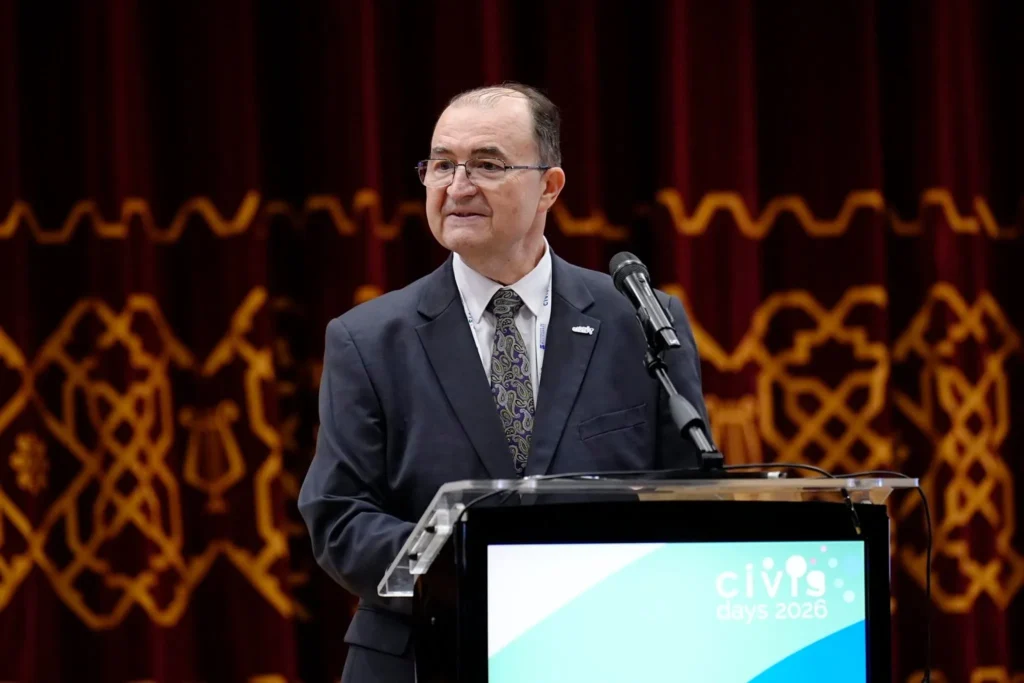
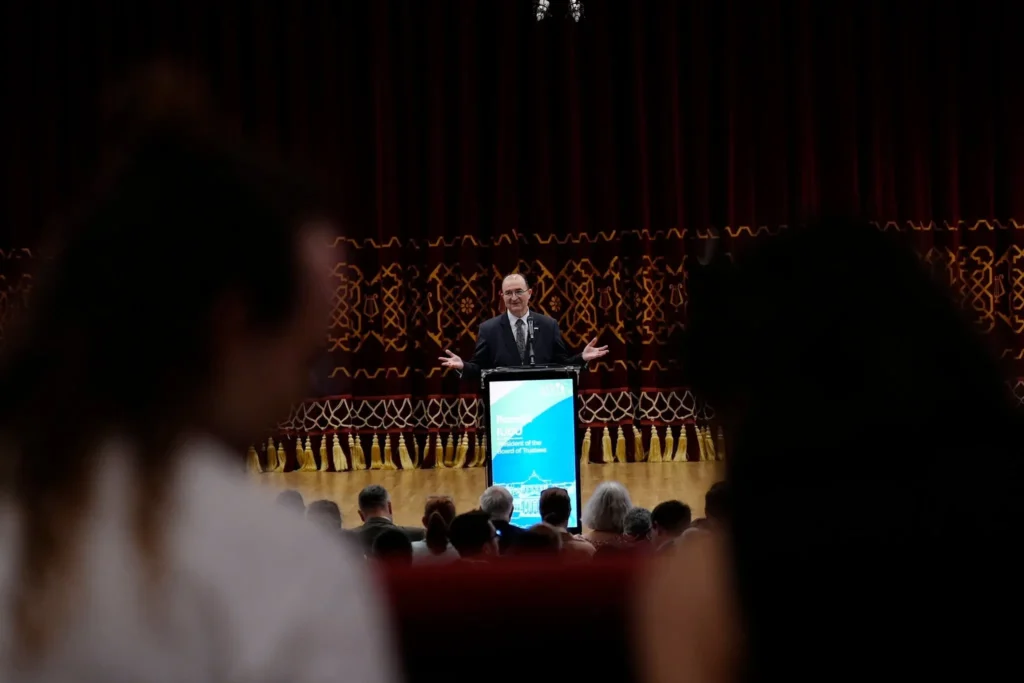
The event officially opened at the Romanian Athenaeum, where representatives of academia and European institutions reflected on the role university alliances play in strengthening the European project. Professor Romiță Iucu, PhD, President of the Board of Trustees at the University of Bucharest, captured the spirit of the gathering by describing CIVIS Days 2026 as “a celebration of solidarity, diplomacy, and European integration” values that lie at the heart of the alliance’s mission.
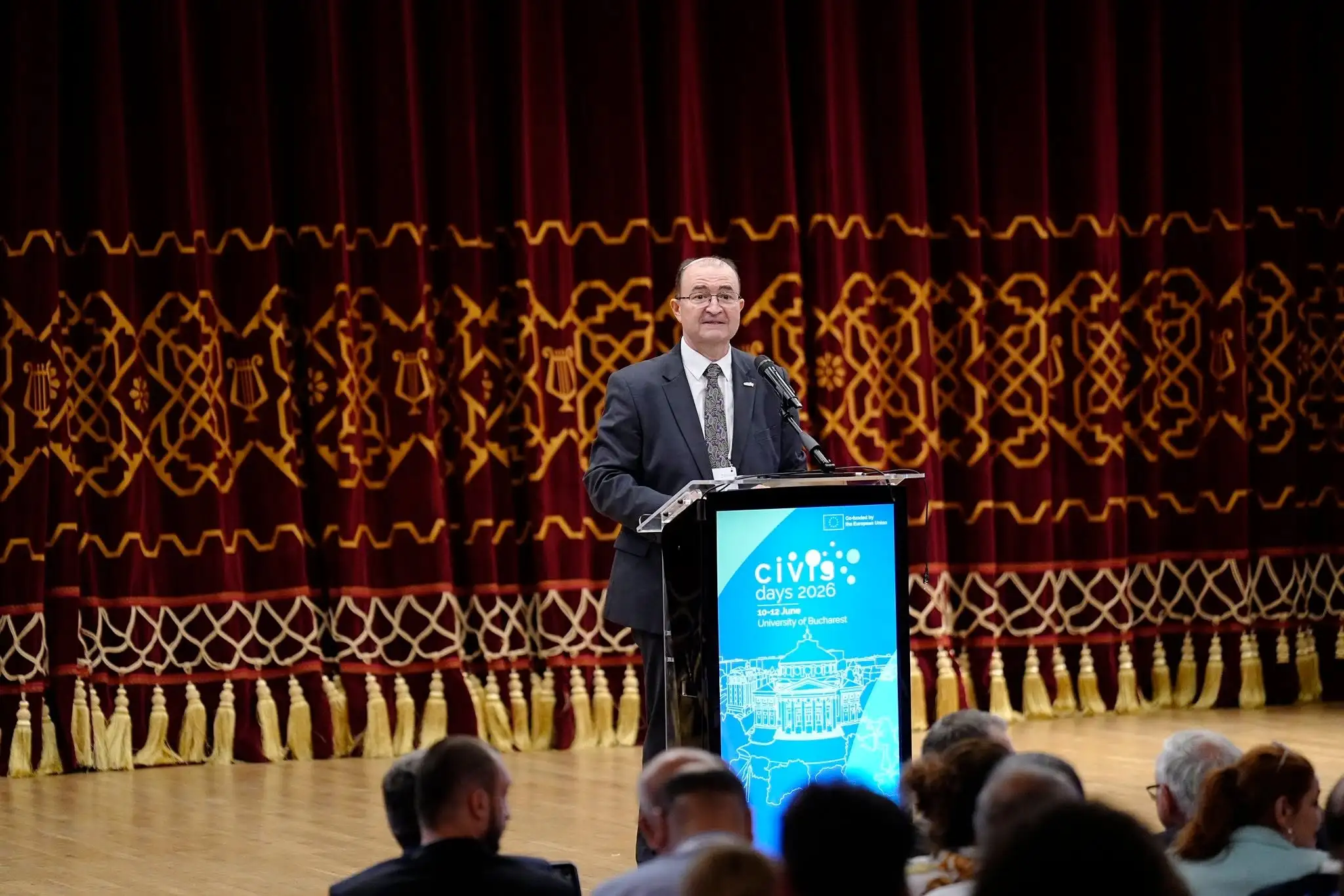
For Professor Marian Preda, PhD, Rector of the University of Bucharest, CIVIS has evolved far beyond the scope of a European project and has become an integral part of the university’s identity: “For the University of Bucharest, belonging to CIVIS is the functional equivalent of Romania’s membership in the European Union.”
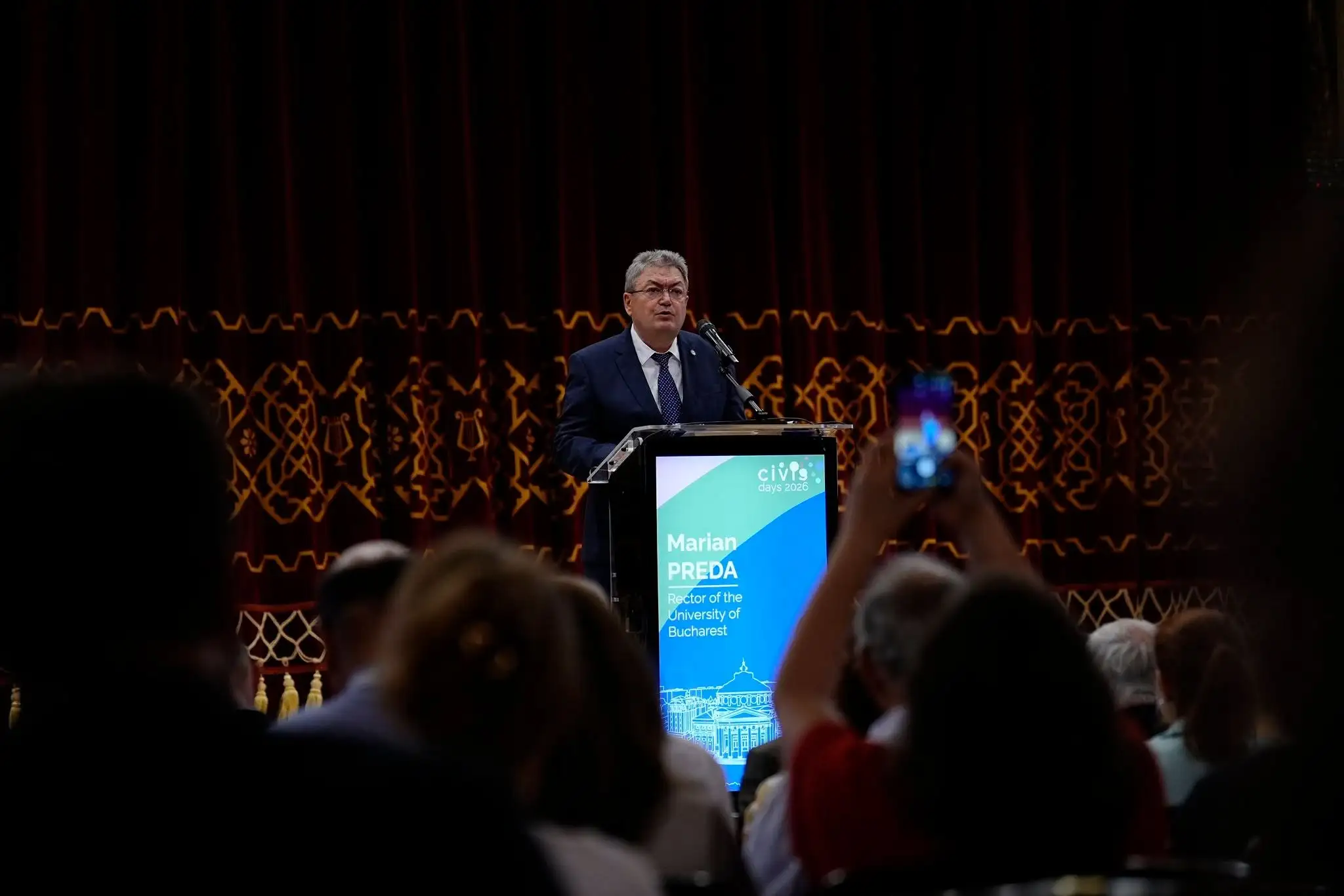
“This annual event, which brings together all categories of stakeholders involved in CIVIS –the Alliance’s governing bodies, representatives of European institutions and local authorities, professors, students, researchers, partners from the business sector and civil society – provides an excellent opportunity to assess the current state of our project and to identify solutions and directions for its future development. Looking ahead, we intend to deepen our involvement in CIVIS, intensify our efforts to adapt to the developments and challenges generated by artificial intelligence and changes in the labour market, and continue research dedicated to the major challenges facing contemporary society,” added Professor Marian Preda, PhD, at the opening of the event.
Associate Professor Sorin Costreie, PhD, Presidential Adviser for Education and Research and CIVIS Coordinator at the University of Bucharest, emphasised the importance of continuity and collective commitment: “CIVIS is built by people, but it goes beyond people. What truly matters is the CIVIS spirit, and that spirit must be preserved. We are approaching the end of CIVIS 2 and preparing for a new project that is moving towards CIVIS 3, but our alliance, which must stay strong, remains the most important thing. We must protect CIVIS and Europe. As the African proverb says: if you want to go fast, go alone; if you want to go safely, go together.”

Universities at the Centre of Global Change
A central theme throughout this year’s edition was the role of universities in addressing the major transformations shaping contemporary society. In a video message to participants, Roxana Mînzatu, Executive Vice-President of the European Commission, highlighted the strategic importance of university alliances in an increasingly uncertain world: “We live in a world shaped by geopolitical tensions, accelerated technological change, and growing distrust in science and institutions, and universities are on the front line of these transformations. I am convinced that one of the strongest forms of defence we have is academic excellence, together with academic freedom. The more we connect universities across borders, bringing together different disciplines and perspectives, the stronger these foundations become. This is why European university alliances are so important.”
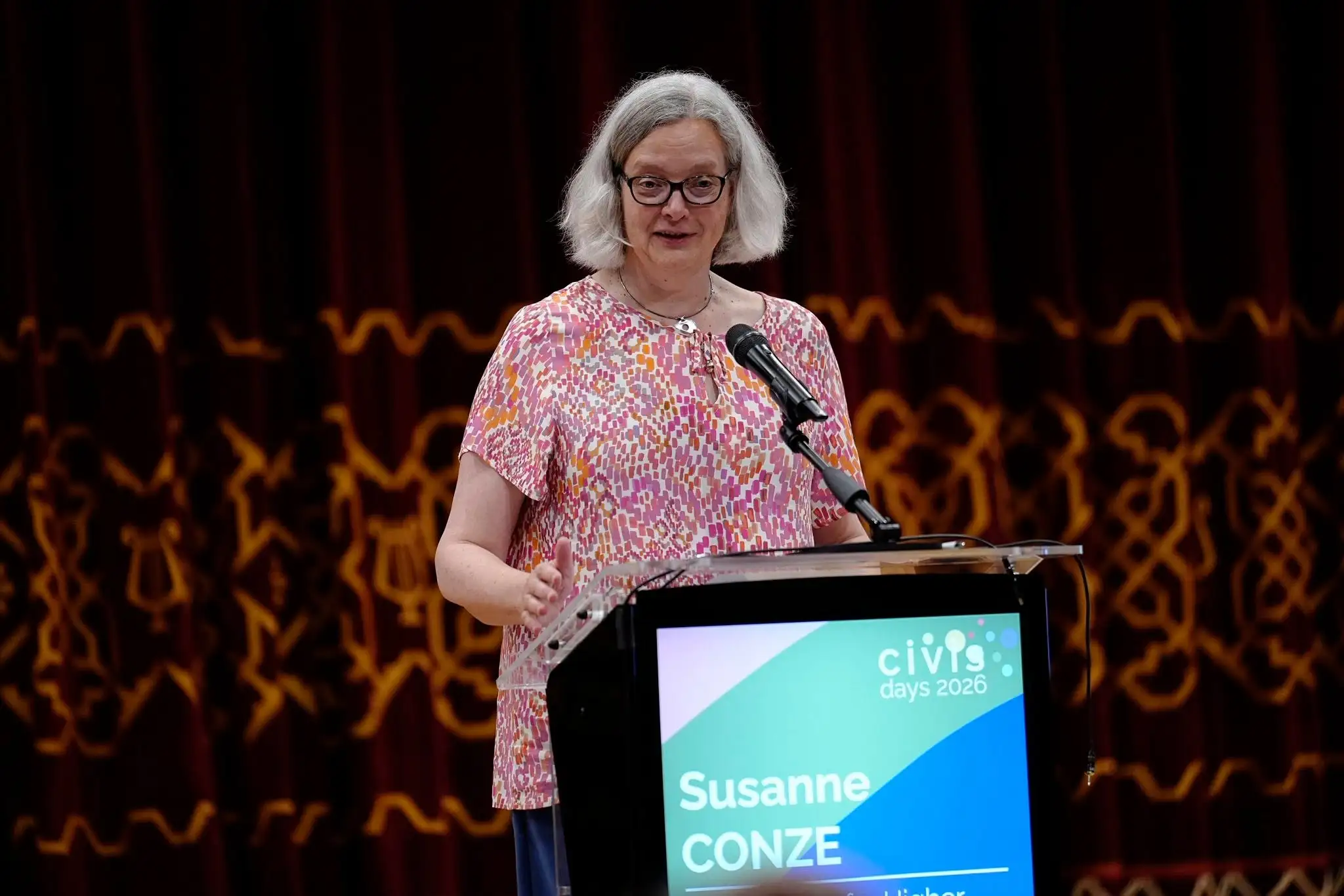
This perspective was echoed by Suzanne Conze, Head of Unit for Higher Education in the Directorate General for Education, Culture, Youth and Sport of the European Commission. She stressed that universities must continue to serve as safe spaces for dialogue, critical thinking, and evidence-based debate, especially at a time when misinformation and scepticism toward scientific knowledge are increasingly widespread: “It is essential for our societies that universities and higher education institutions remain safe spaces where the capacity for dialogue and debate is developed, but also places where there is time for reflection. At a time when fake news is becoming omnipresent and scientific evidence is increasingly called into question, universities have an enormous role to play in helping us preserve our ability to distinguish between evidence and truth. Seen from this perspective, university alliances and cooperation become ways through which we can better defend our values and academic freedom.”
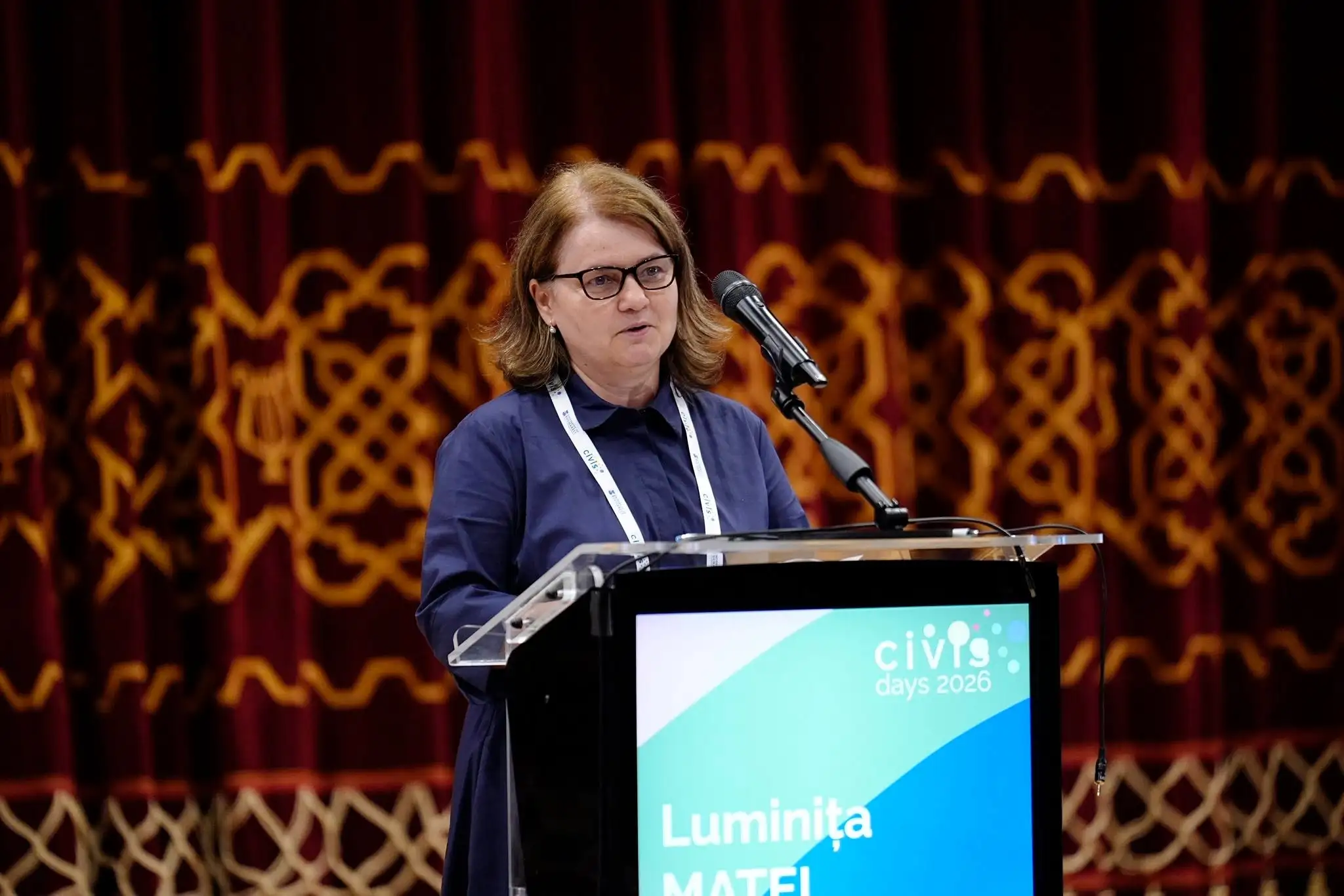
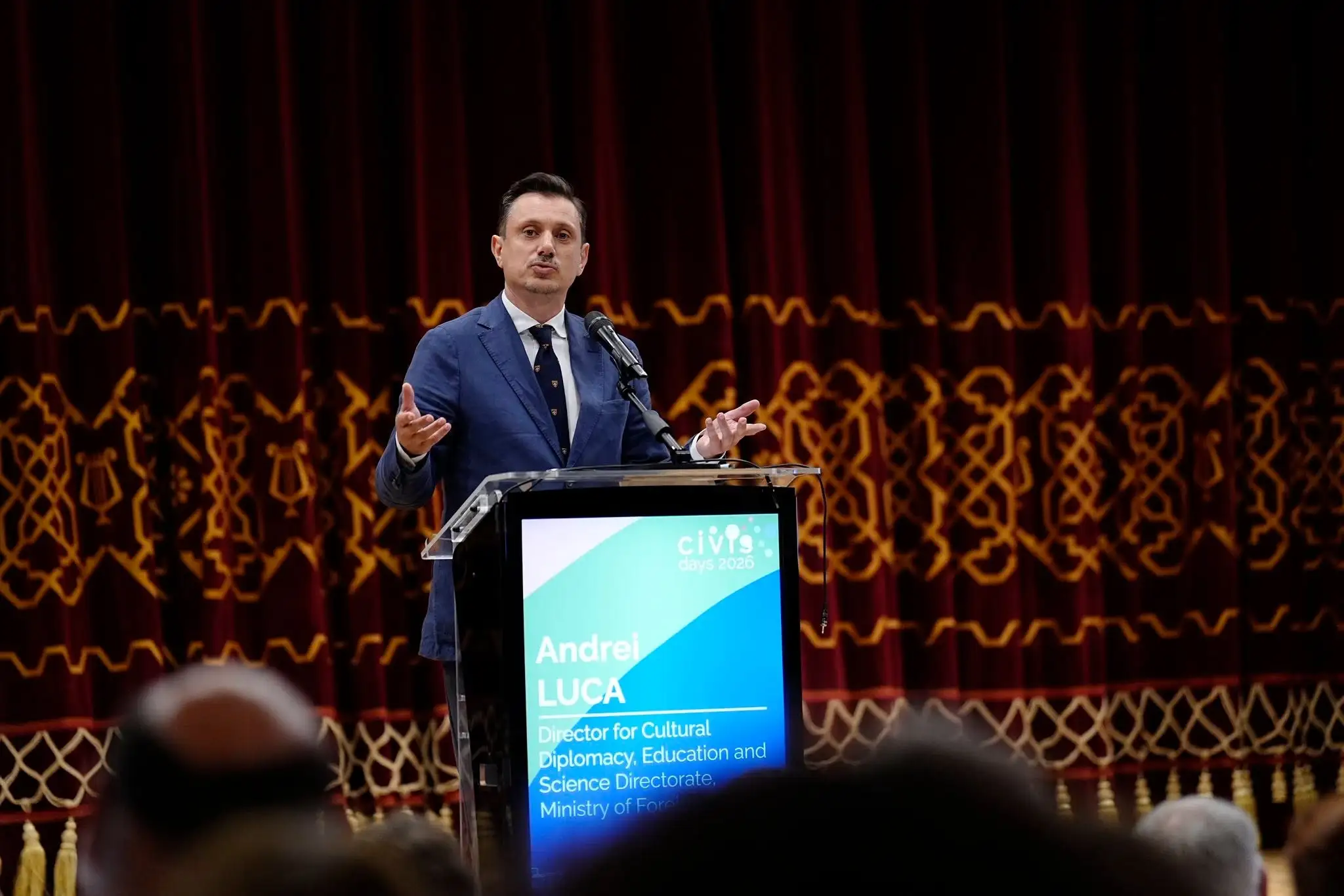
Representatives of Romanian institutions also underlined the significance of academic cooperation. Luminița Matei, Director General for International Relations and European Affairs at the Ministry of Education and Research, described European university alliances as one of the EU’s most ambitious initiatives. Meanwhile, Andrei Luca, Director for Cultural Diplomacy, Education and Science at the Ministry of Foreign Affairs, highlighted the role of academic partnerships in strengthening democratic values and societal resilience.
Academic Freedom, University Autonomy, and Social Responsibility
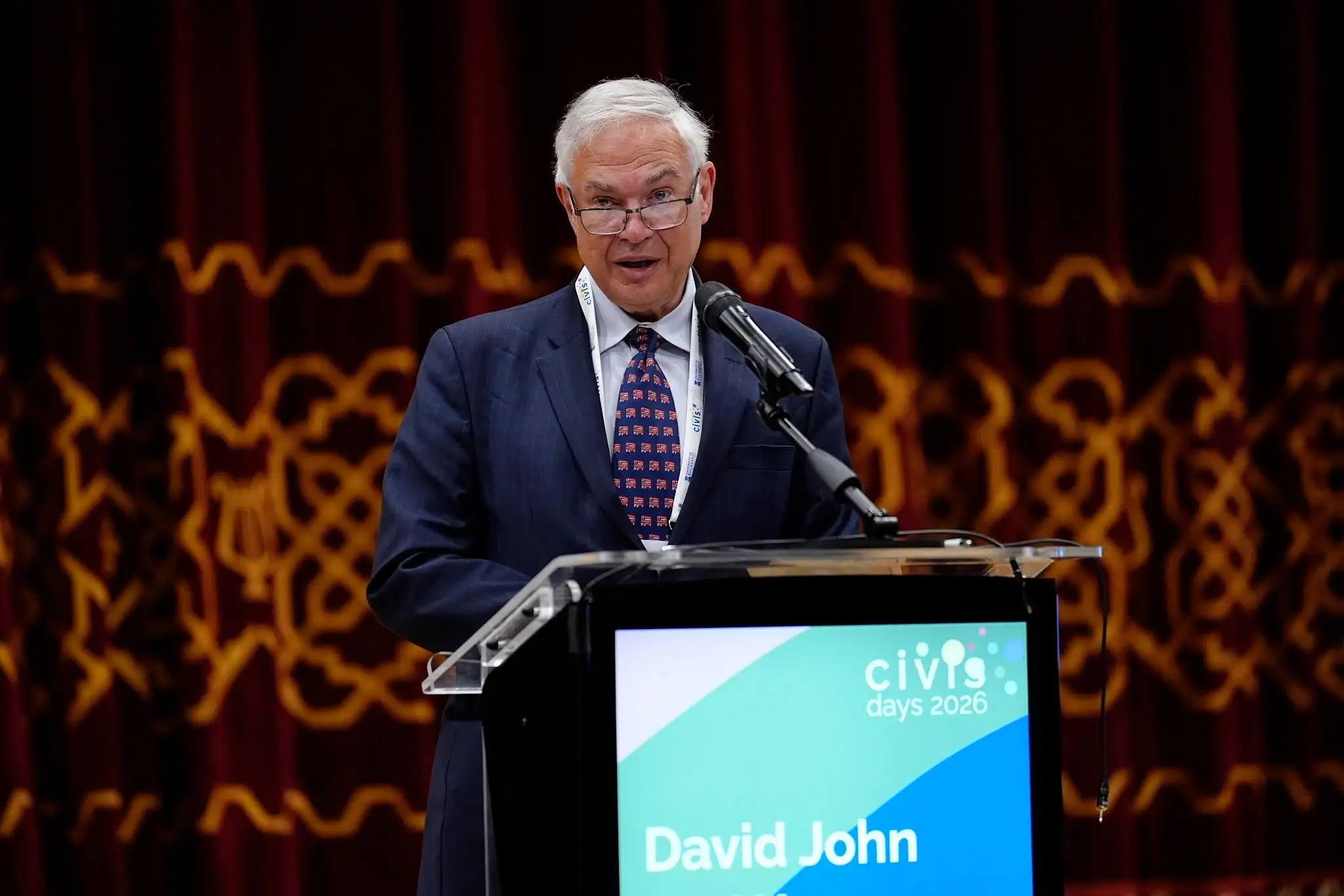
The protection of fundamental academic values was another recurring topic throughout the event. David John Lock, President of the Magna Charta Observatory, reaffirmed the enduring relevance of the principles set out in the Magna Charta Universitatum, emphasising that ”universities must remain intellectually and morally independent from both political influence and economic power”. Participants agreed that universities should continue to be spaces of free inquiry and open dialogue while also contributing to society’s response to major challenges such as climate change, public health, and sustainable development.
These ideas also featured prominently in discussions on academic diplomacy and the role of university alliances in strengthening the European Education Areas.
Strengthening Partnerships Beyond Europe
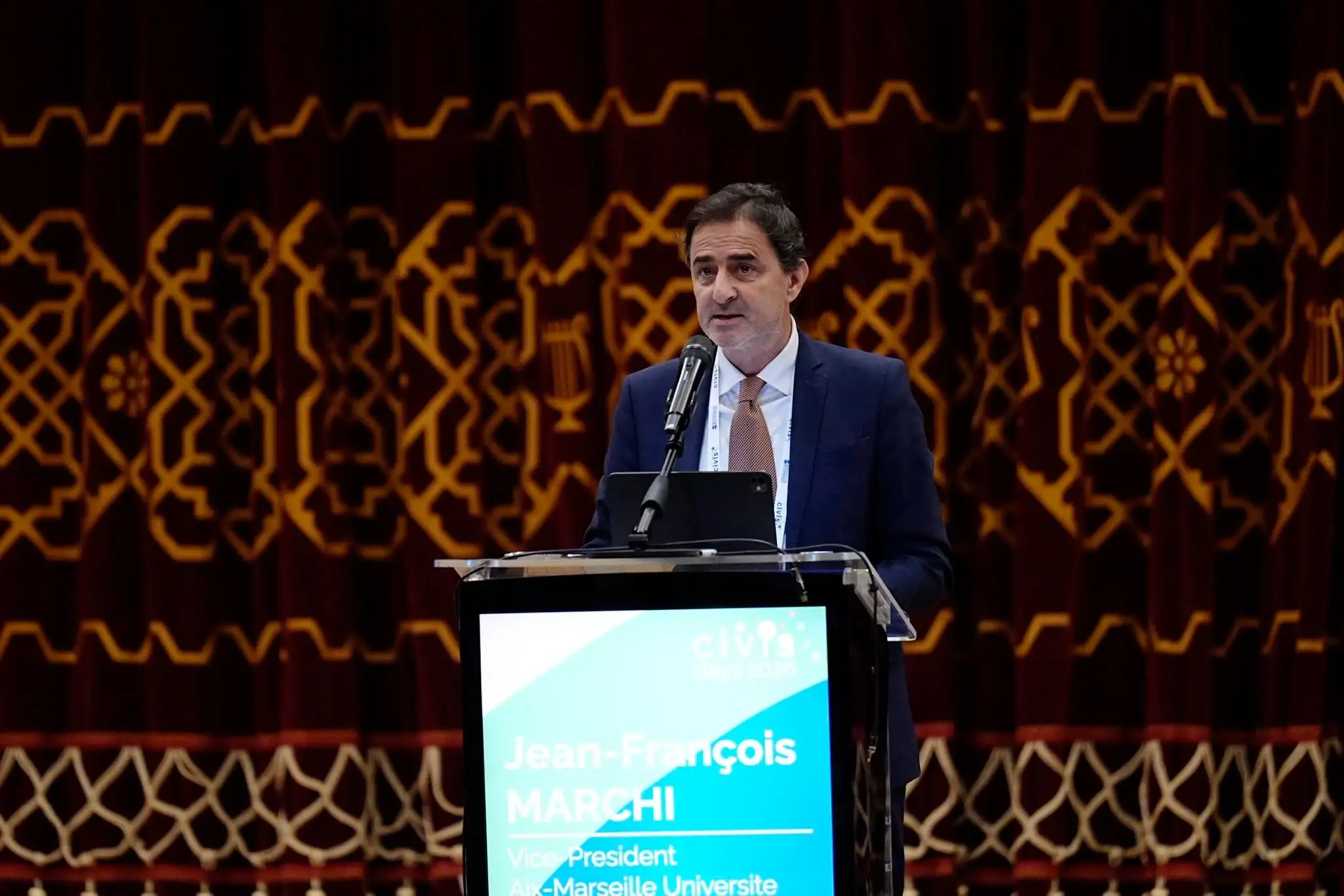
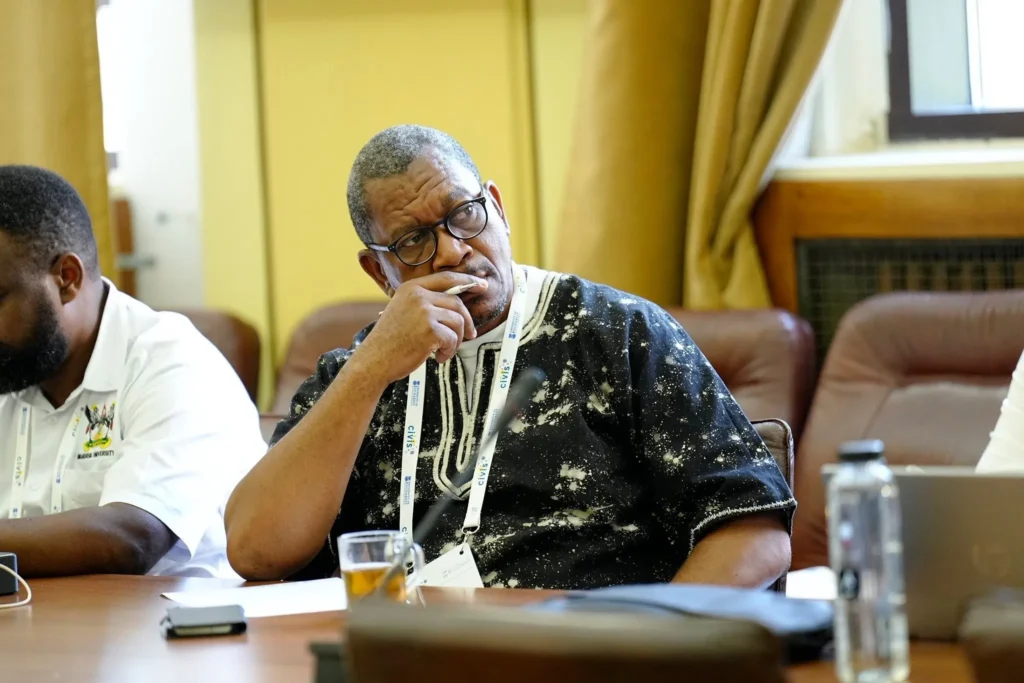
The alliance’s global dimension was visible throughout the programme, particularly through the active participation of its six African partner universities. Discussions focused on research collaboration, civic engagement, and the development of transnational academic communities. Jean-François Marchi, Vice-Rector of Université Aix-Marseille, emphasised that cooperation with African partners is not a secondary aspect of CIVIS but one of its defining characteristics. He described engagement with the Global South as a core principle of the alliance and a clear demonstration of how academic dialogue can be transformed into meaningful joint action.
Preparing for the Future: Research, Skills, and Sustainability
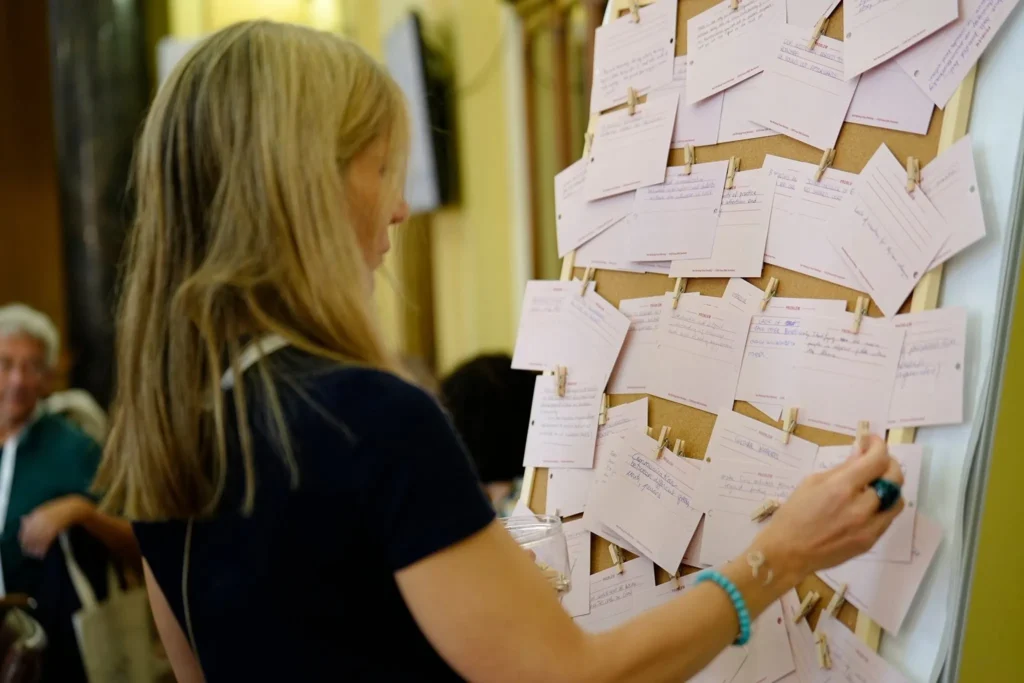
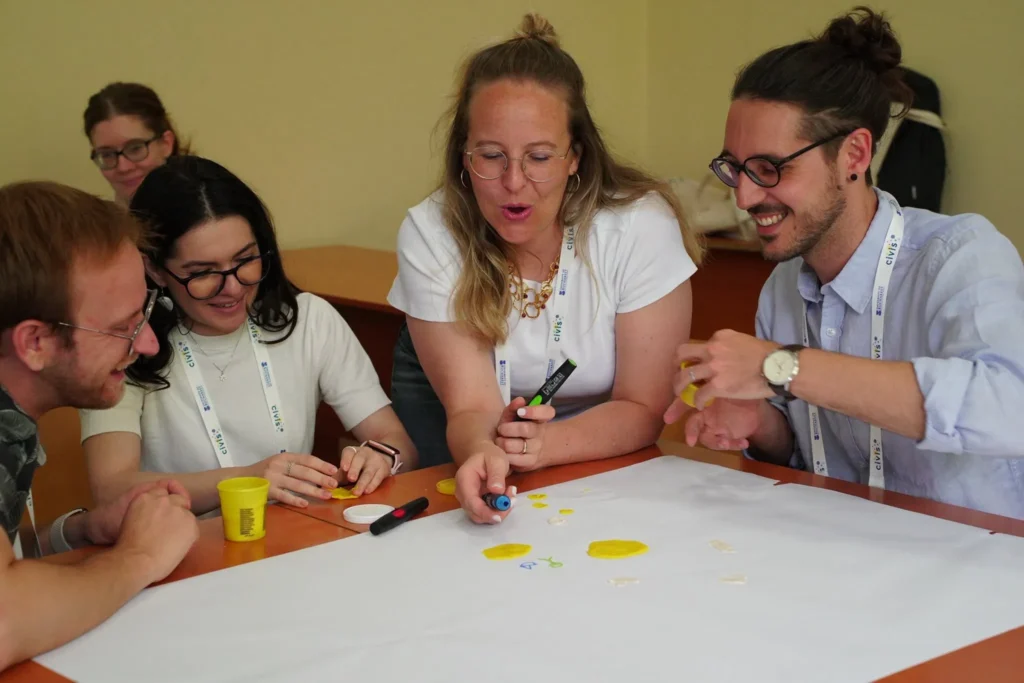
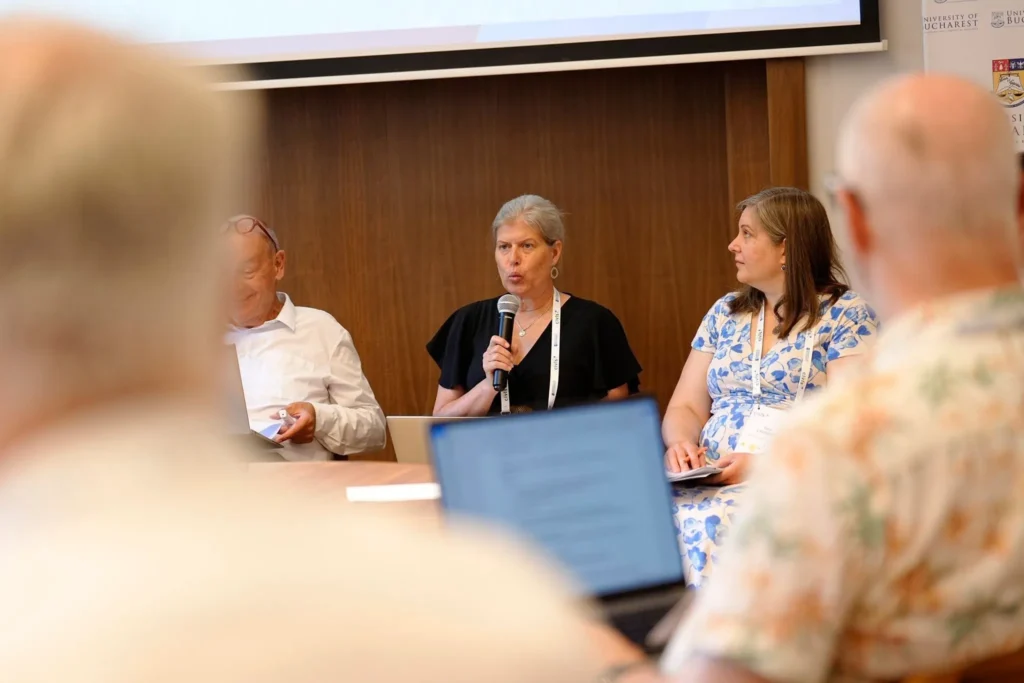
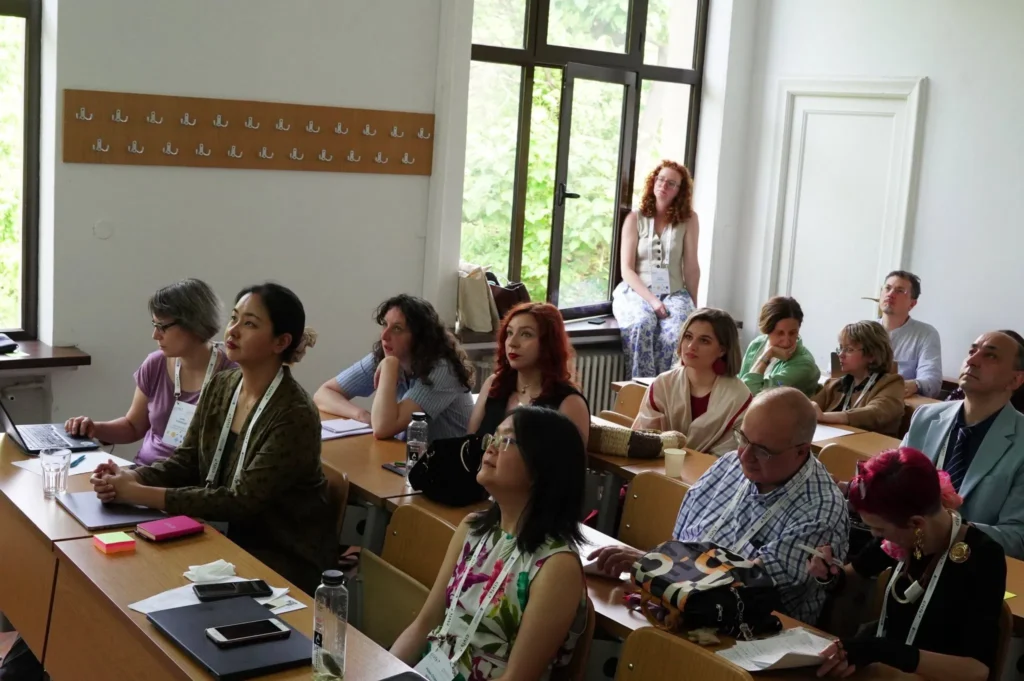
Across the three-day programme, participants examined many of the key challenges facing European higher education. Discussions explored academic mobility, innovative models of research collaboration, international doctoral networks, and the contribution of universities to climate action and sustainability goals.
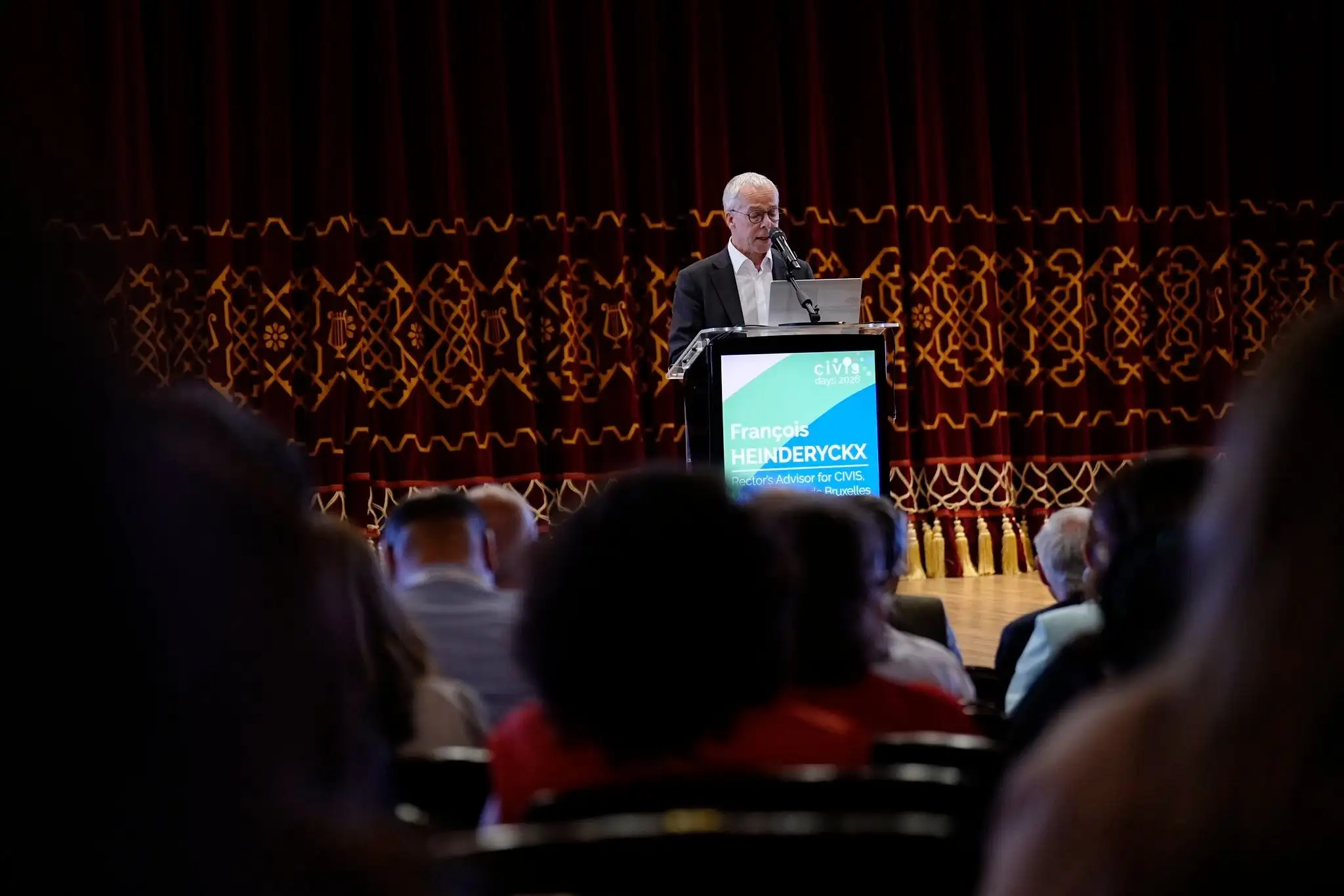
Other sessions focused on lifelong learning, the skills required for the future economy, digital transformation, and the role of university alliances in strengthening Europe’s competitiveness. François Heinderyckx, CIVIS Adviser to the Rector of the Université libre de Bruxelles, noted that successful alliances are built through long-term cooperation, shared experience, and continuous learning.
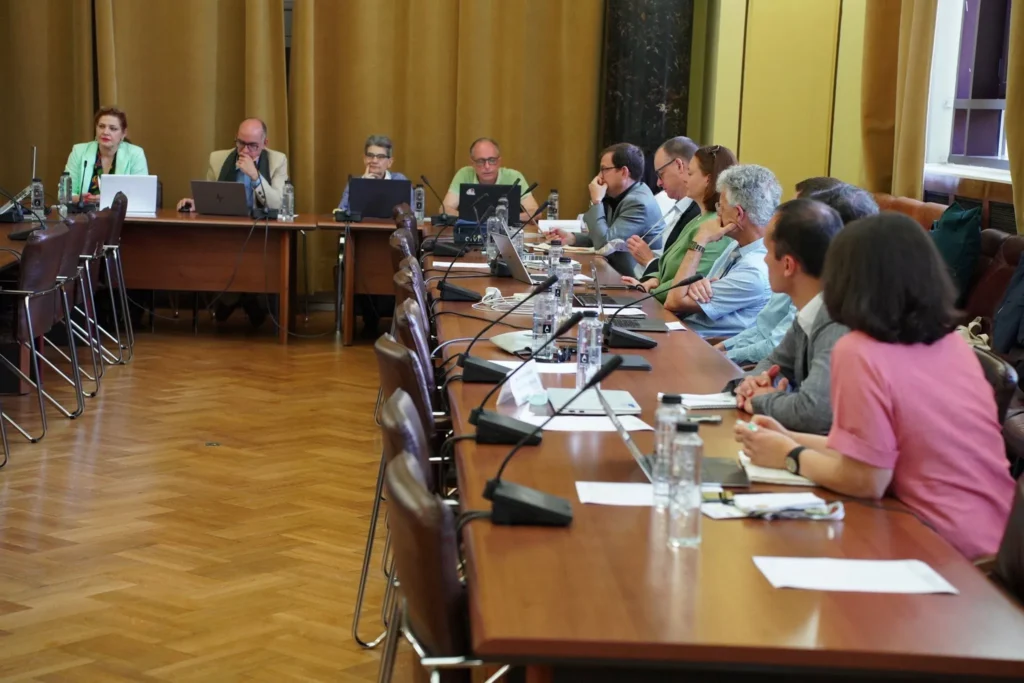
The final day featured both the meeting of the CIVIS Rectors’ Board and a series of debates on the future of research, education, and skills development in Europe. One of the event’s distinguished guests was Professor Maria Leptin, President of the European Research Council, whose participation underscored the importance of research excellence and international scientific collaboration in shaping the university of the future.
Participants discussed how universities can create stronger research ecosystems capable of addressing complex challenges, from climate change and technological disruption to innovation and economic competitiveness. They also examined how alliances can support scientific excellence by facilitating cooperation across borders, disciplines, and institutions.
The programme further highlighted the responsibility of universities to provide lifelong learning opportunities and equip learners with the skills needed in a rapidly evolving labour market. Discussions also explored how digital technologies can make education more flexible, interactive, and accessible, while university libraries shared new approaches to collaboration and co-creation within the European academic ecosystem.
Throughout the event, students continued their work within the CIVIS Student Council, reaffirming the central role of student participation in the governance and development of the European University initiative.
Building a European Community Through Culture
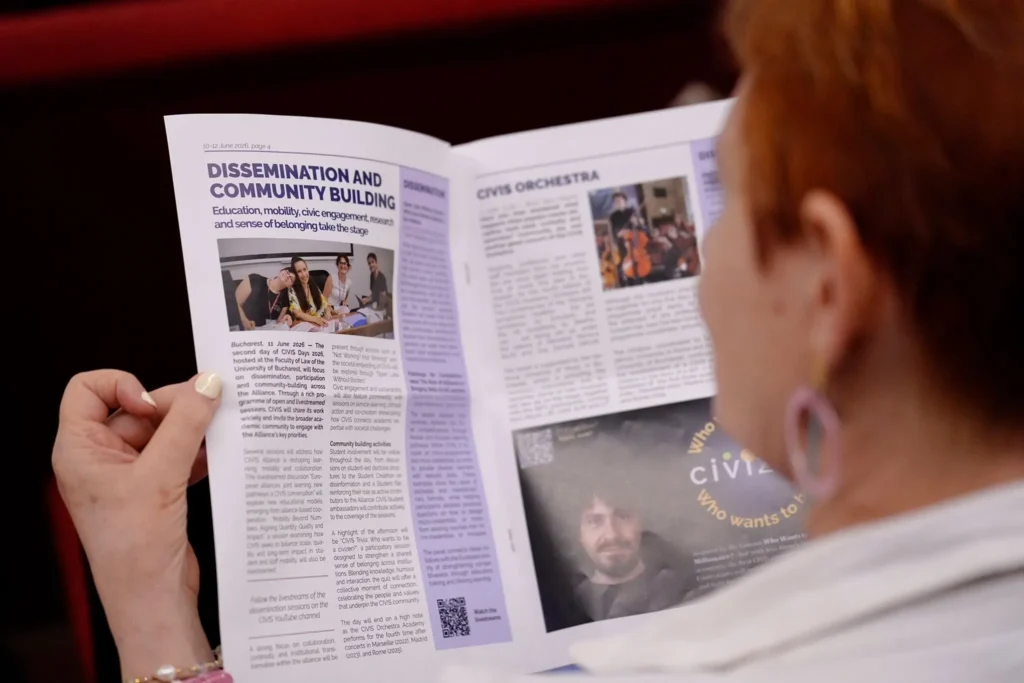
Beyond policy discussions and strategic planning, CIVIS Days 2026 also celebrated the cultural dimension of the European academic community. One of the event’s most memorable moments was the CIVIS Orchestra concert, held in the Aula Magna of the Faculty of Law. Students, academics, and members of partner universities performed works by Franz Schubert and Ludwig van Beethoven under the direction of conductors Demetrio Moricca and Zoe Zeniodi.
More than a cultural event, the concert embodied one of CIVIS’s core ideas: that a European university is built not only through policies, projects, and strategies, but also through shared experiences, mutual understanding, and a sense of belonging to a common community.
As CIVIS Days 2026 came to a close, participants left with a clear message: in a period marked by uncertainty and profound transformation, international academic cooperation remains one of Europe’s greatest strengths. Through its partnerships, initiatives, and shared vision, CIVIS continues to demonstrate that universities can build not only joint programmes and projects, but also a common future.
































Postări asemănătoare:
 The University of Bucharest, a key shaper of European Education Policy: The Joint European Degree Label – a new vision for Higher Education
The University of Bucharest, a key shaper of European Education Policy: The Joint European Degree Label – a new vision for Higher Education
The University of Bucharest, a key shaper of European Education Policy: The Joint European Degree Label – a new vision for Higher Education
 The event “Vestiges and Visions: the European Days of Archeology”, organized by UB and the Museum of Bucharest as part of the European Days of Archeology
