




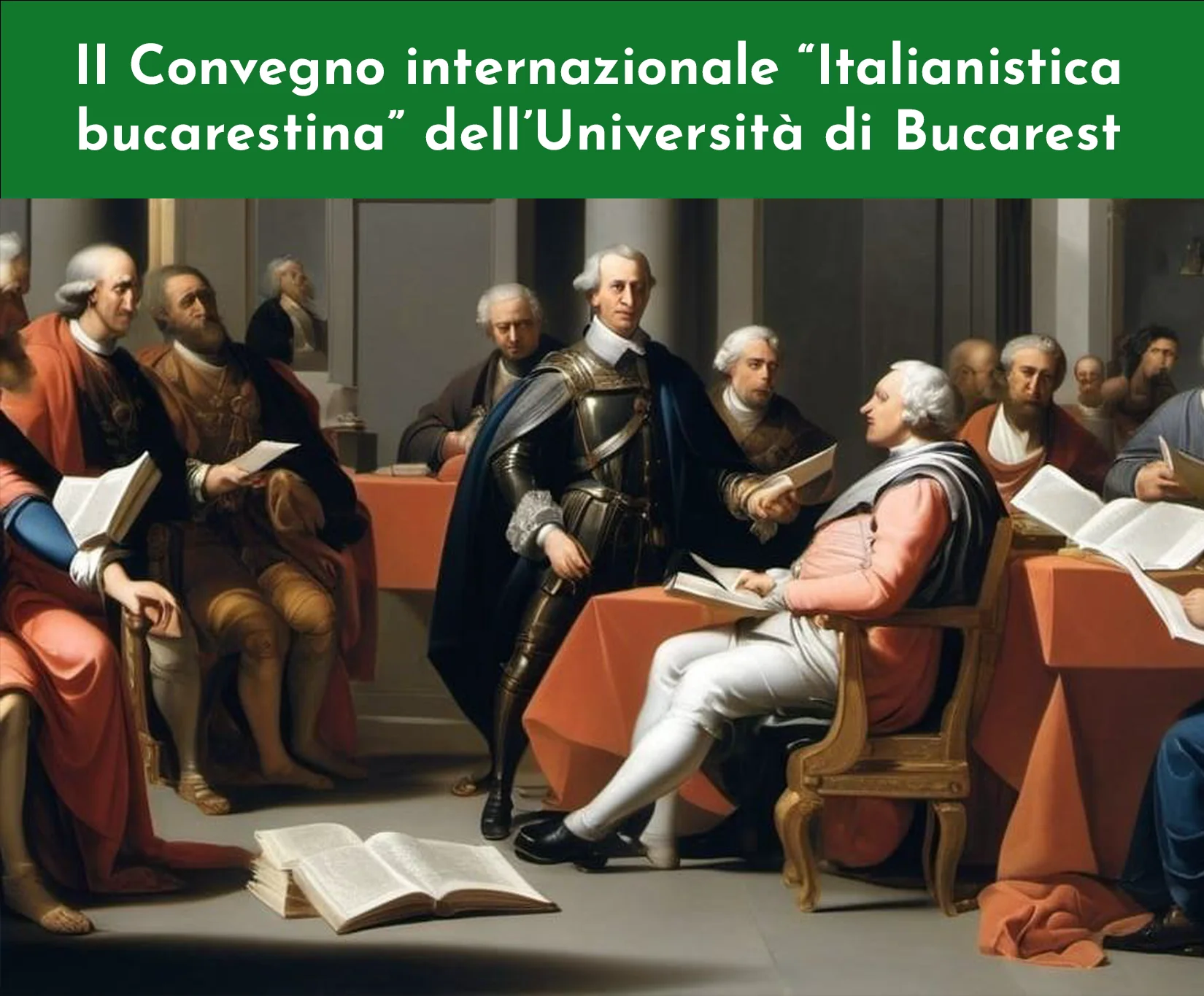
On the 26th and 27th of September 2025, the Department of Romance Languages and Literatures, Classical Studies and Modern Greek of the Faculty of Foreign Languages and Literatures of the University of Bucharest, under the patronage of the Embassy of the Italian Republic in Bucharest and in partnership with the Italian Institute of Culture in Bucharest, the Accademia di Romania in Rome, the Center of Comparative Linguistics and Cognitivism of the Faculty of Foreign Languages and Literatures and with the Dante Alighieri Society in Bucharest are organizing the conference “Language, Literature and Politics”.
The conference is dedicated to the connections between literature and politics and to language and political discourse in various historical periods, from the beginnings of Italian literature to the present day.
The parallel sessions will take place at the Faculty of Foreign Languages and Literatures in Pitar Moş Street, Bucharest. The languages of the conference are Italian and English.
The programme is available here.
The event is organized by professors from the Faculty of Foreign Languages and Literatures from the University of Bucharest: Corina Anton, Miruna Bulumete, Aurora Firța-Marin, Anamaria Gebăilă and it is dedicated to all those who are interested in the way in which power and the art of government are reflected in literature and in the political discourse, namely in the terminology and pragmatics of political debates and messages.
Italian writers, poets and authors of treatises have always shown interest in the science and art of governing. They have analyzed politics in order to theorize it or, on a practical level, to support or denounce it. From literature emanating from certain centers of power, towards which it must fulfil a celebratory duty, to literature which embraces a role of denunciation and dissent in relation to regimes and ideologies, several types of ‘political literature’ can be distinguished. Points of reference within this complex topic are a literature that legitimizes politics, a disengaged literature written by intellectuals who isolate themselves from an unacceptable world, a polemical, protesting, subversive, or committed literature (Leonardo Sciascia, Pier Paolo Pasolini), a literature that theorizes politics (Niccolò Machiavelli, Francesco Guicciardini), memoirs and testimonies that reflect the dynamics of power (Silvio Pellico, Primo Levi, the literature of the Resistance) and their consequences on the fate of the individual.
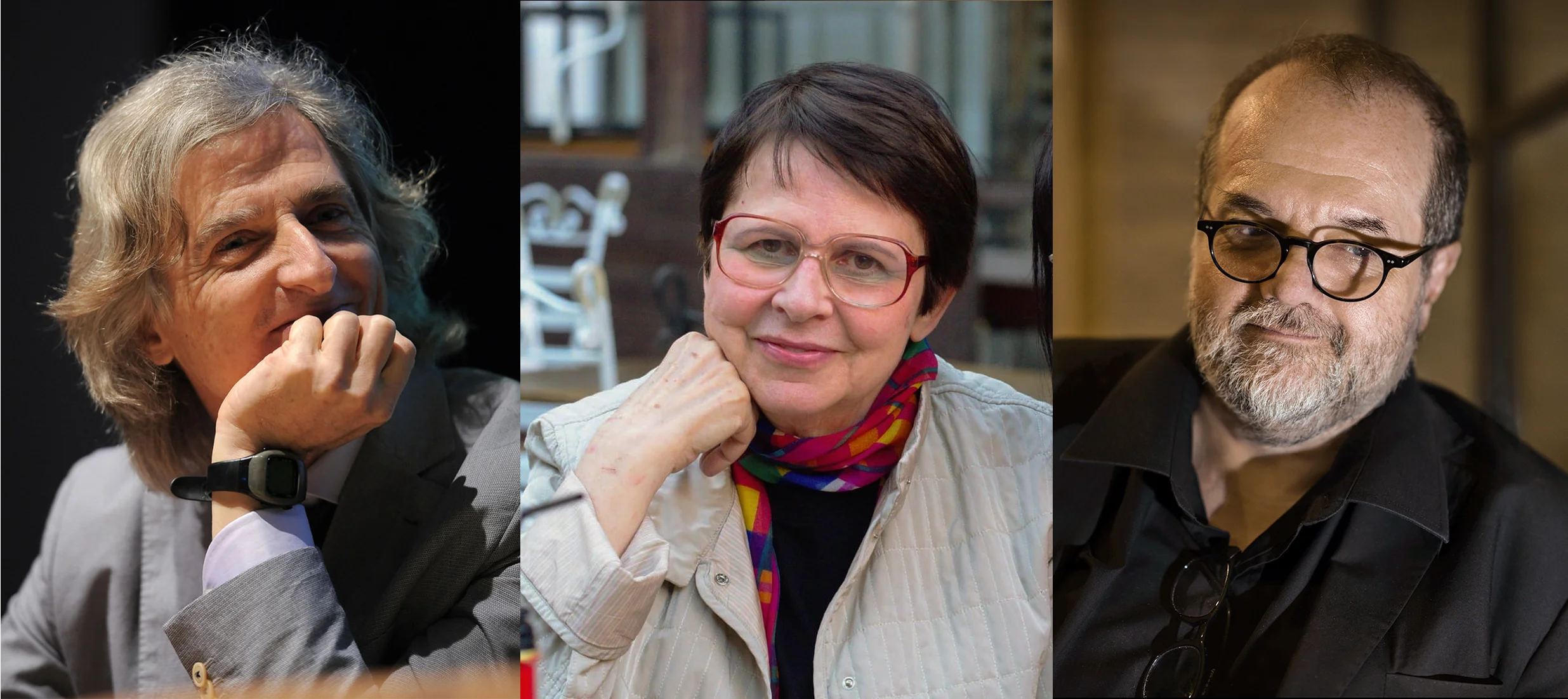
The three keynote speakers are Andrea Cortellessa (University of Roma Tre), Smaranda Elian (University of Bucharest) and Maurizio Trifone (University of Cagliari). The scientific committee is formed of important representatives of the academic world in Italy and Romania. More information about their activity is available here.
For further details, please contact the organizing committee at: convegno.italianistica.bucarest@lls.unibuc.ro.
SECŢIUNE ACCESIBILIZATĂ PENTRU PERSOANELE CU DIZABILITĂŢI DE VEDERE
Postări asemănătoare:
 Vulnerable in Contemporary Politics 7th international interdisciplinary conference of political research SCOPE: Science of Politics (call for application)
 The lecture “Trust-Building in a Fractured World: The Role and Potential of Digital Diplomacy” ends conference “SCOPE: Science of Politics”
 The 26th edition of the ICIE International Conference (International Centre for Innovation in Education), organized in partnership with UB’s Faculty of Psychology
