



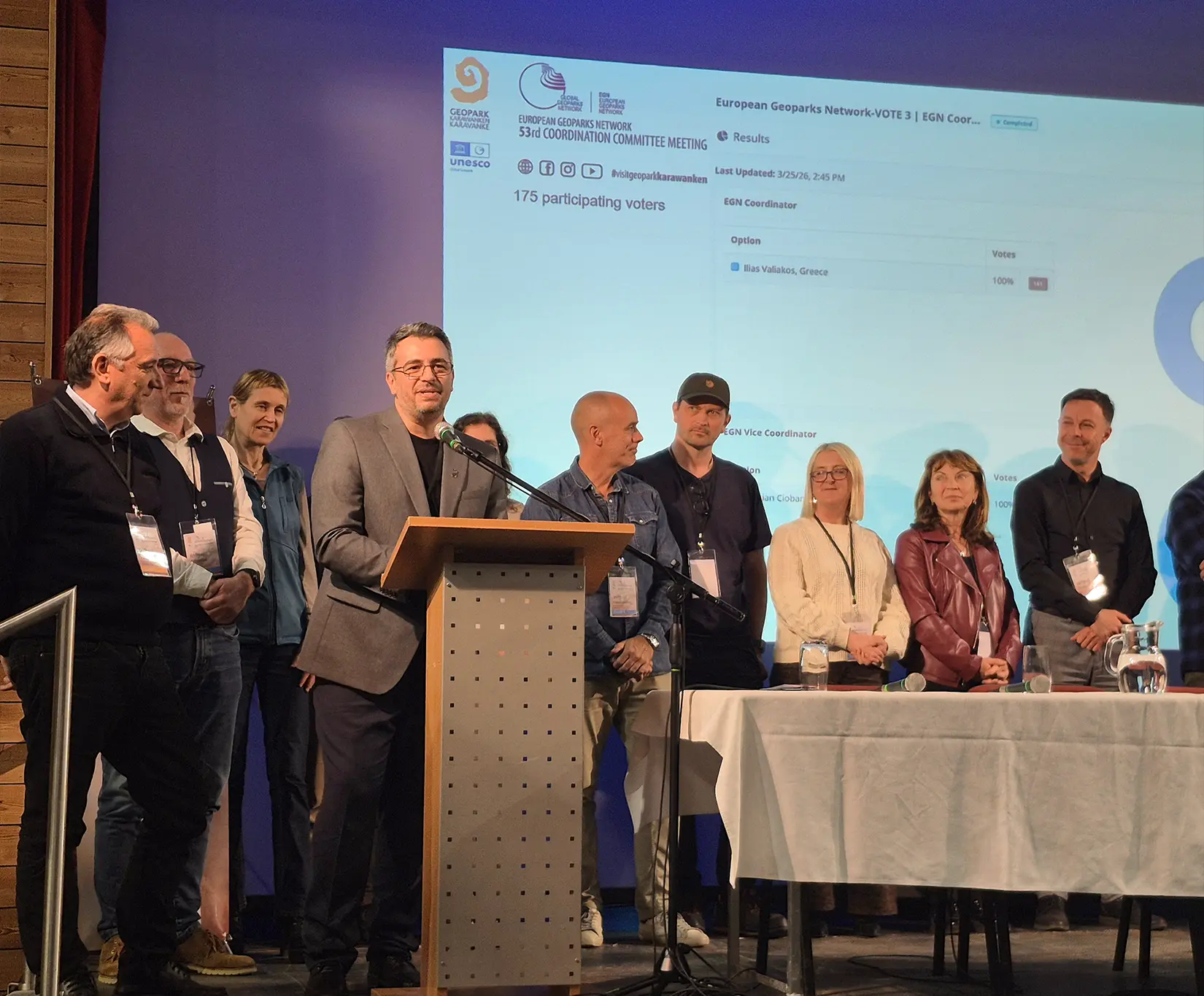
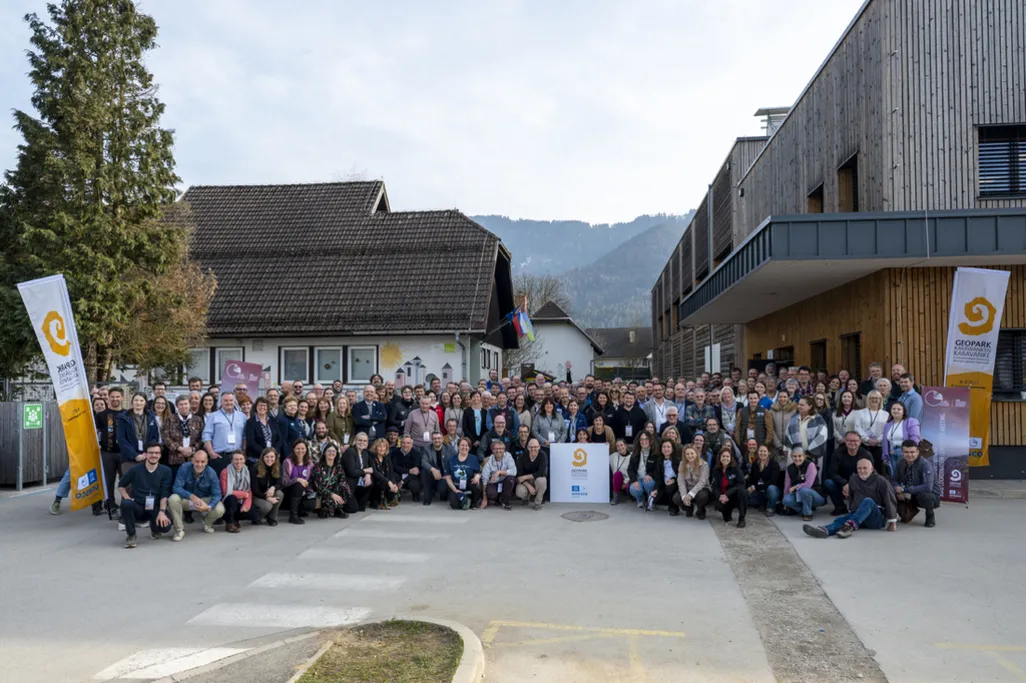
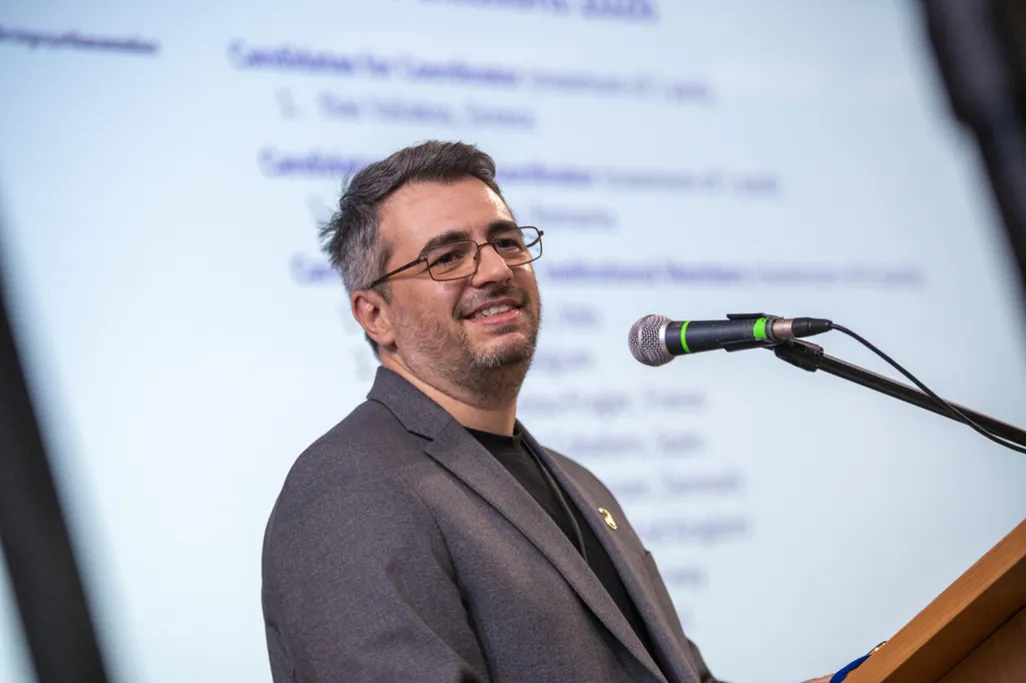
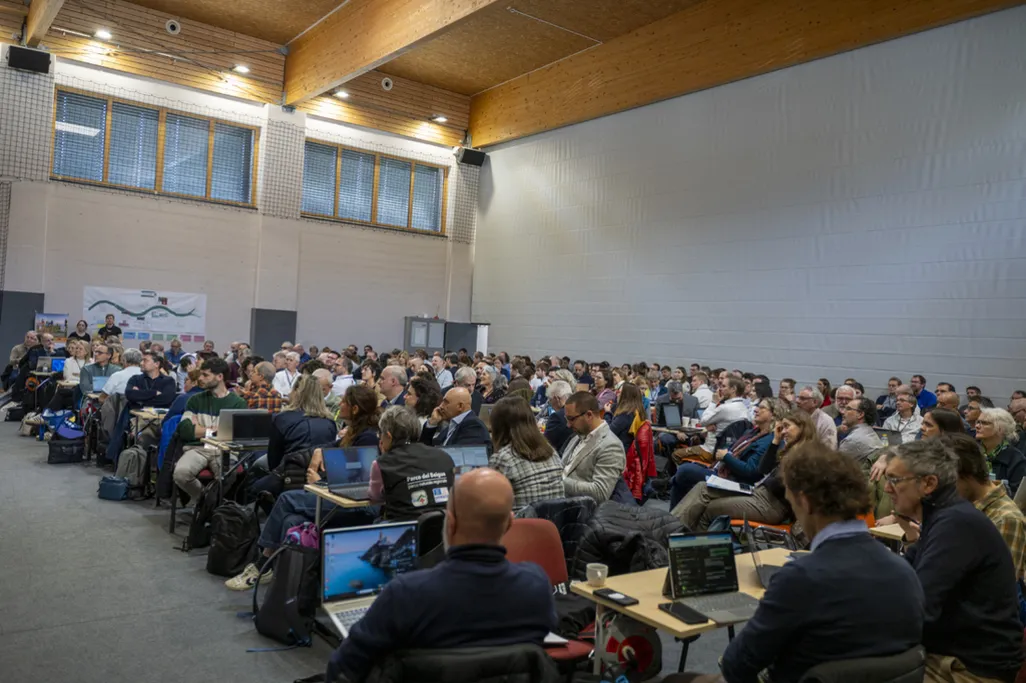
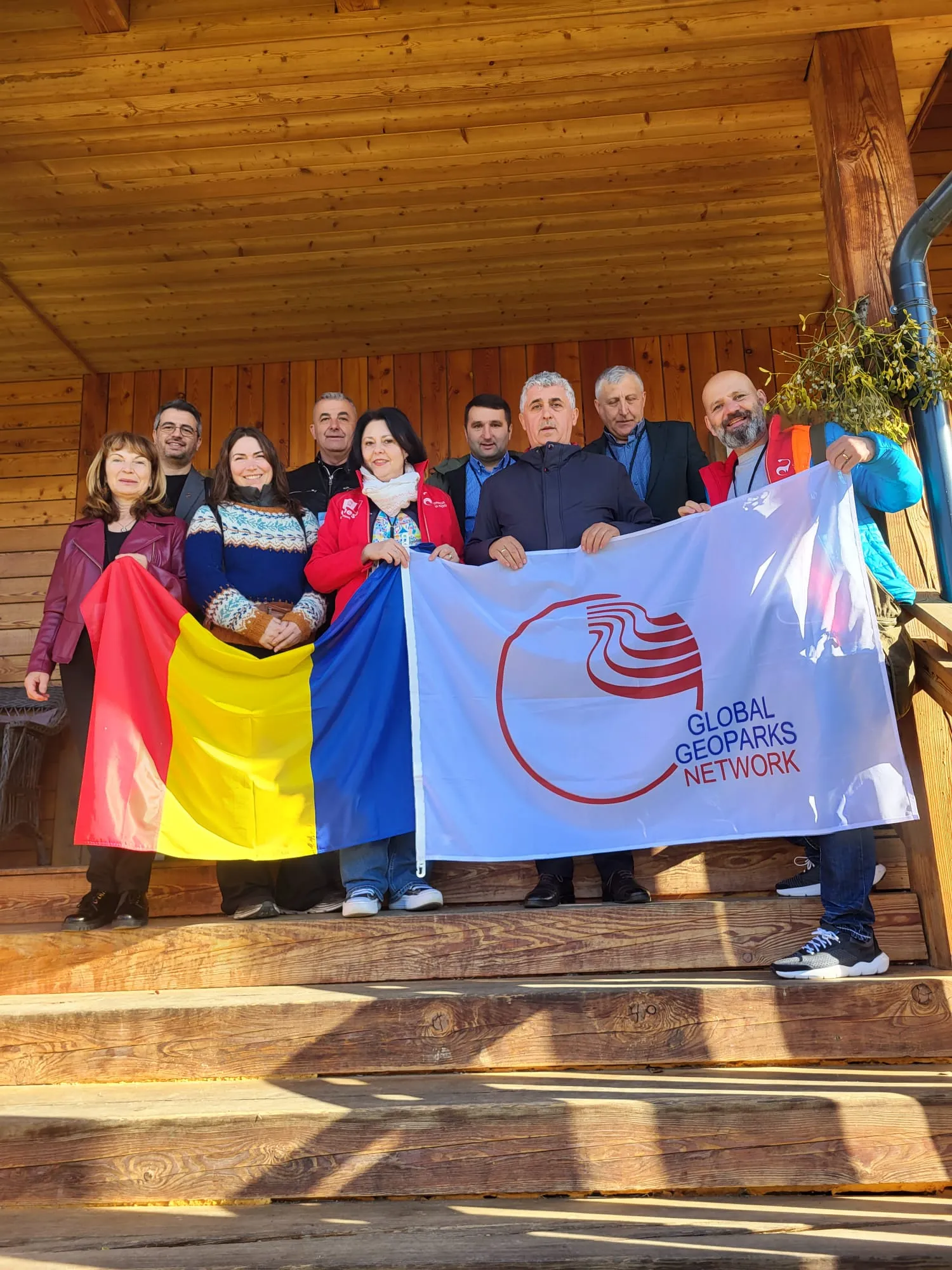
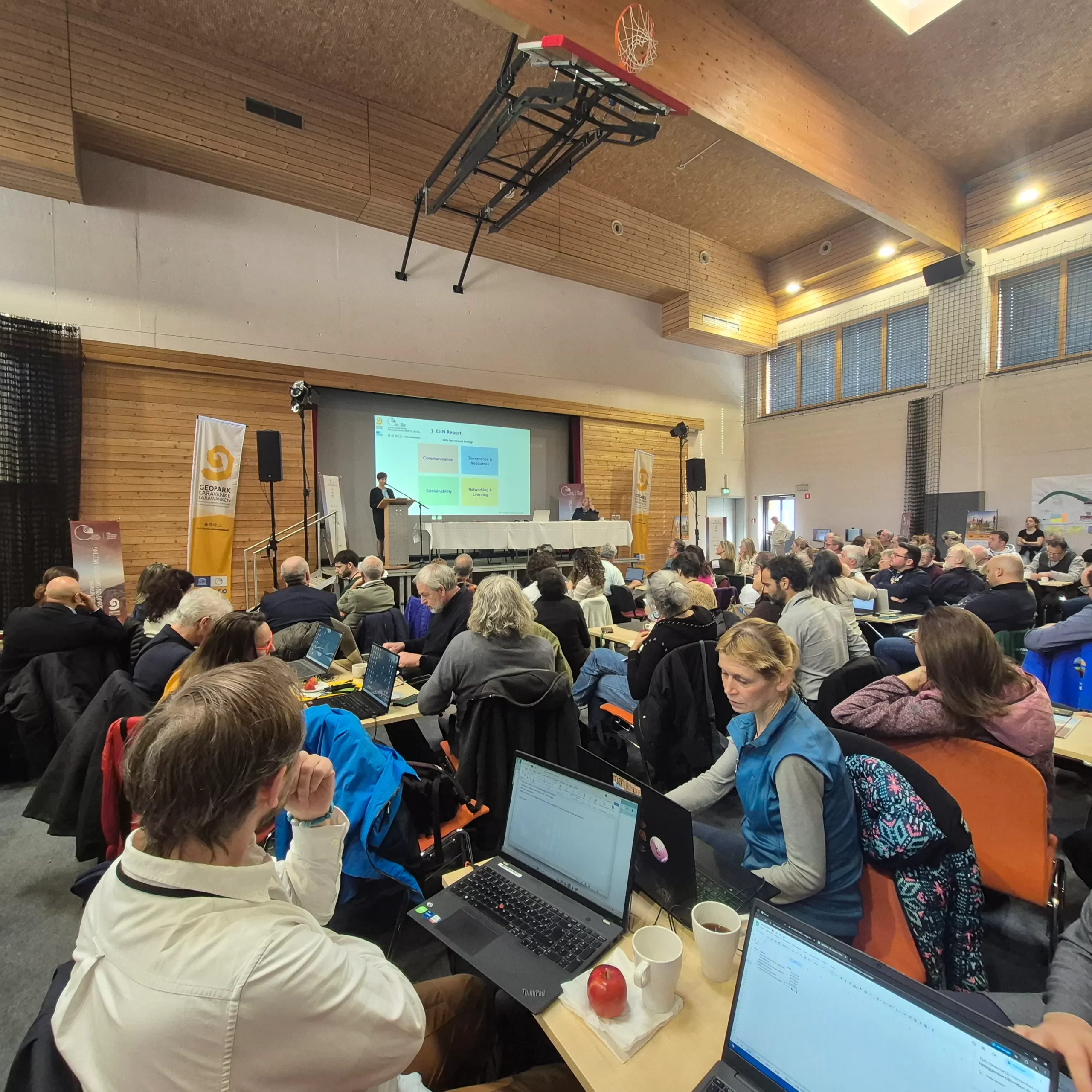
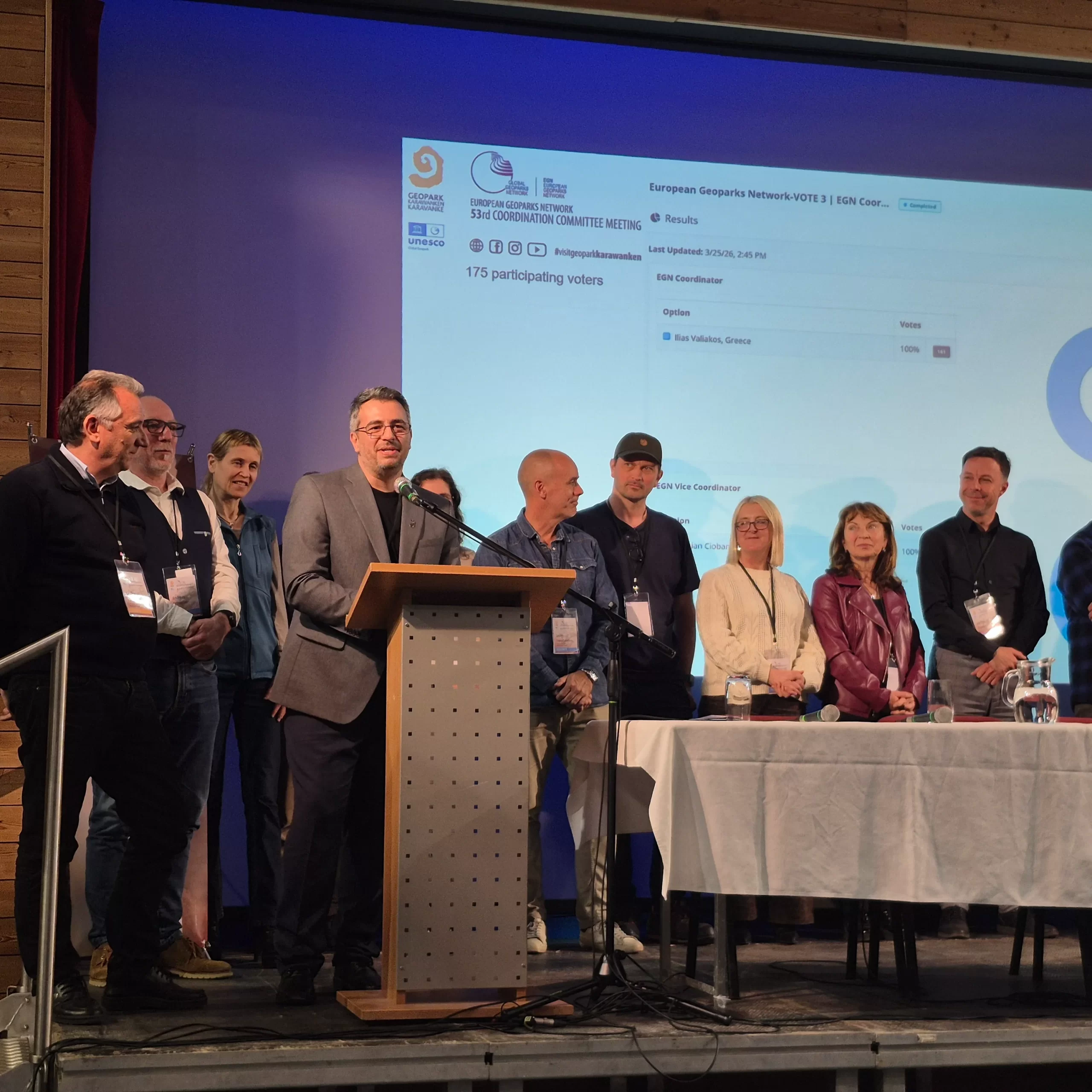
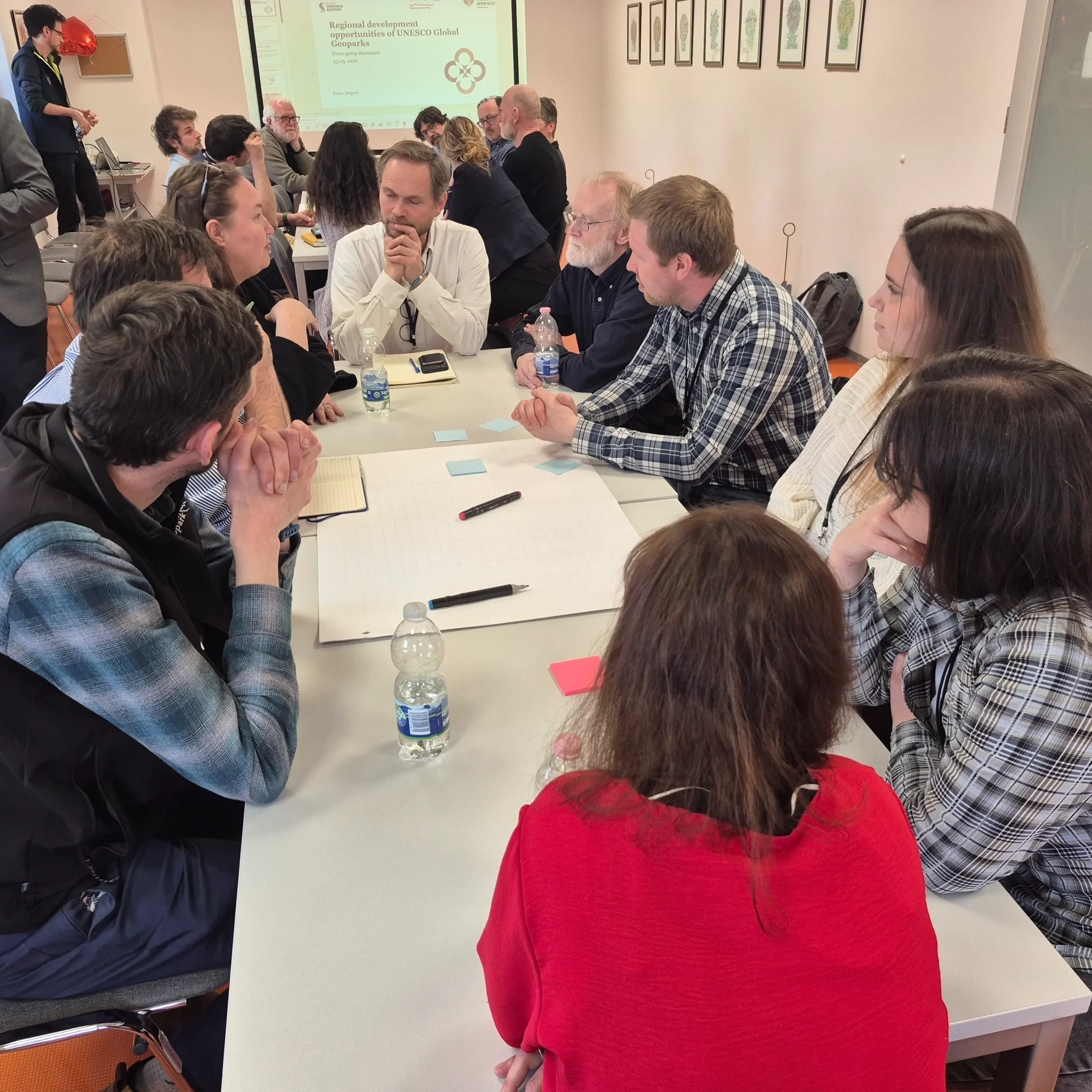
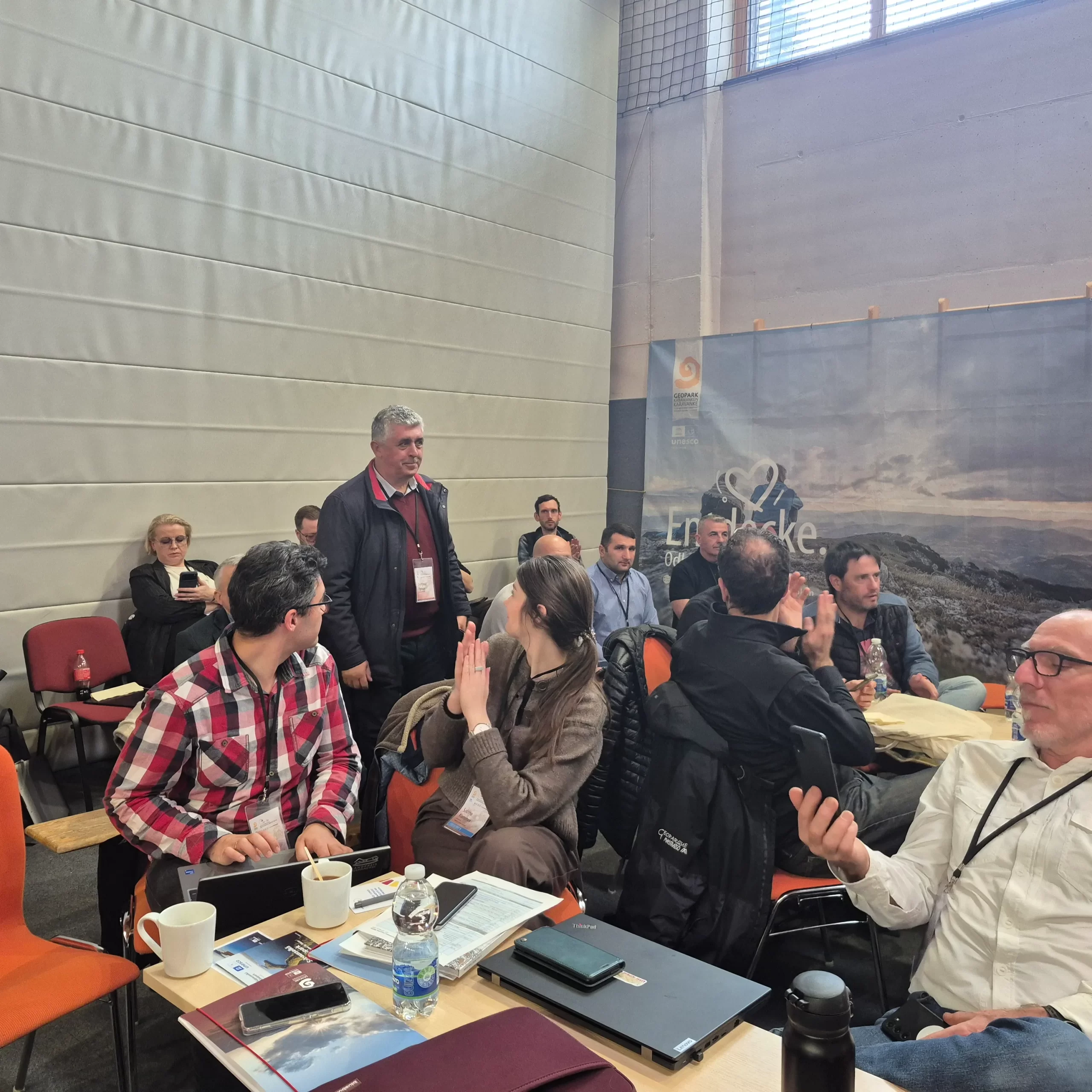
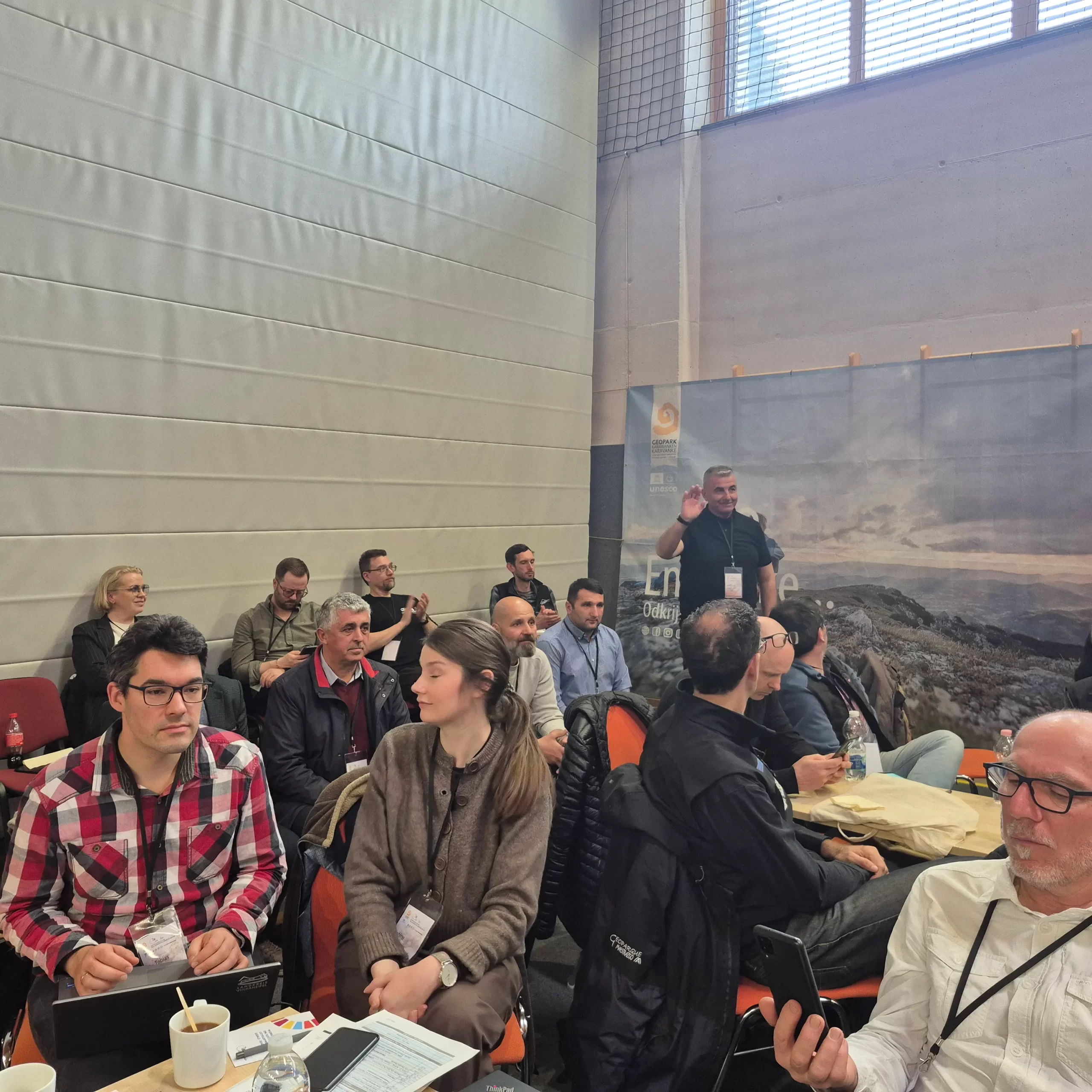
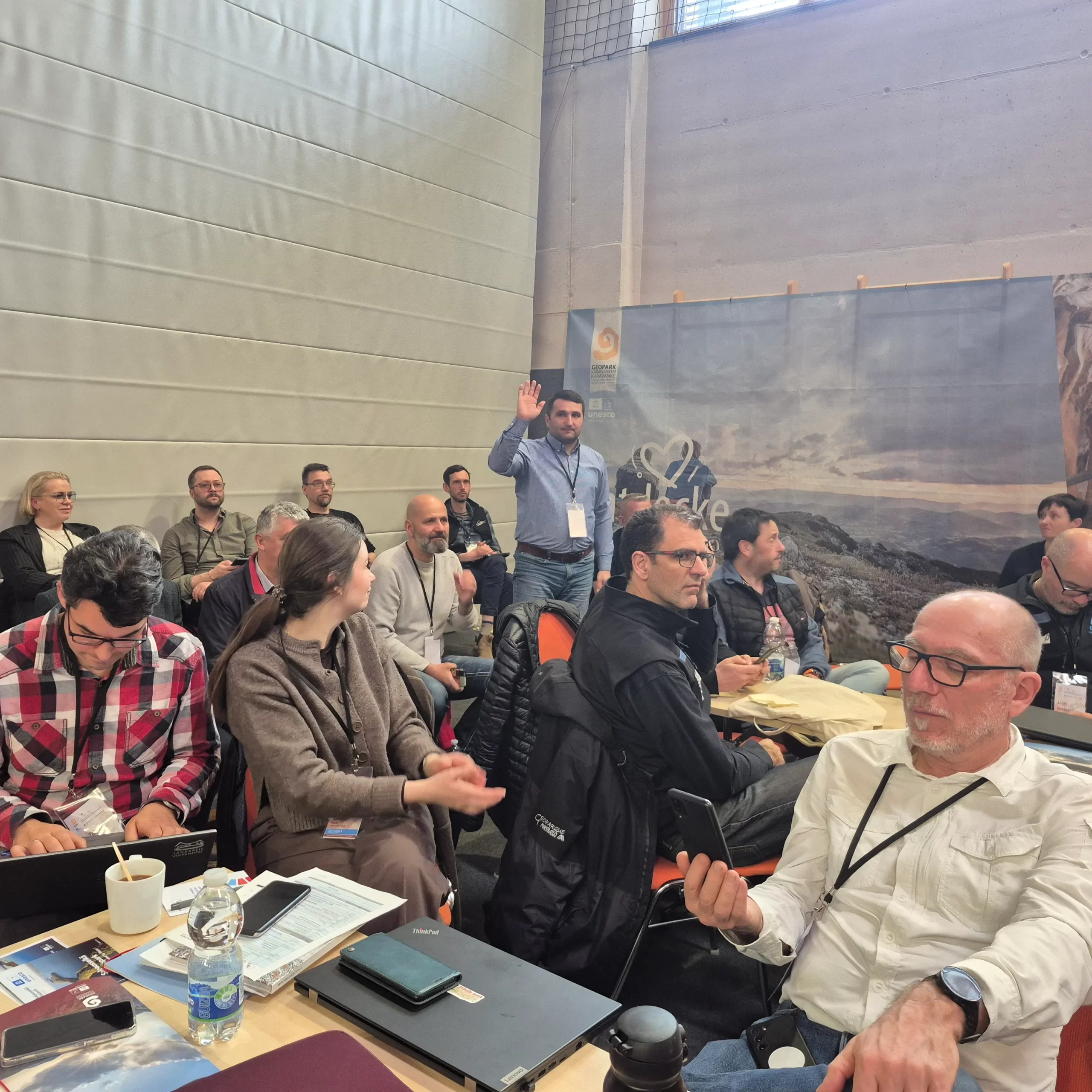
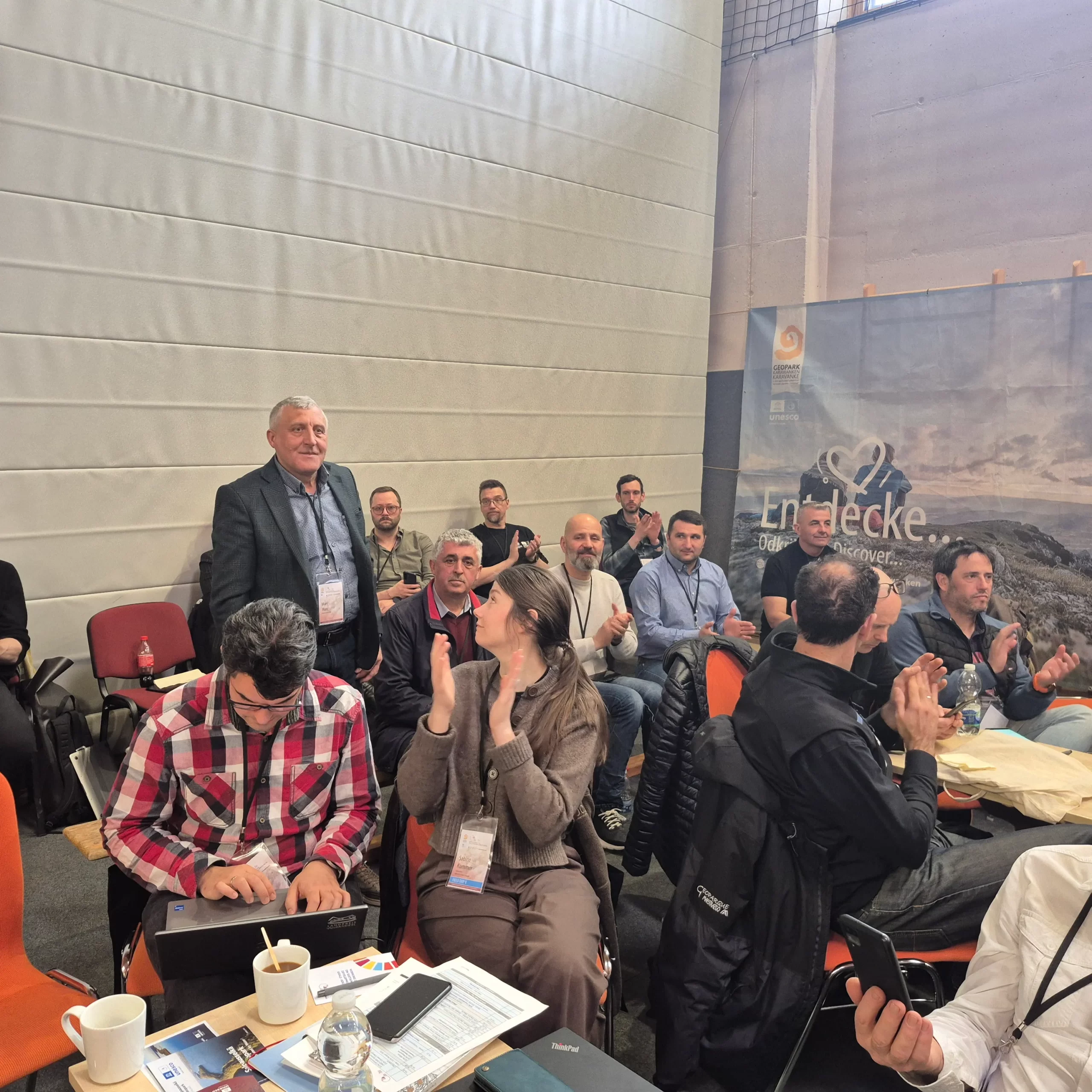
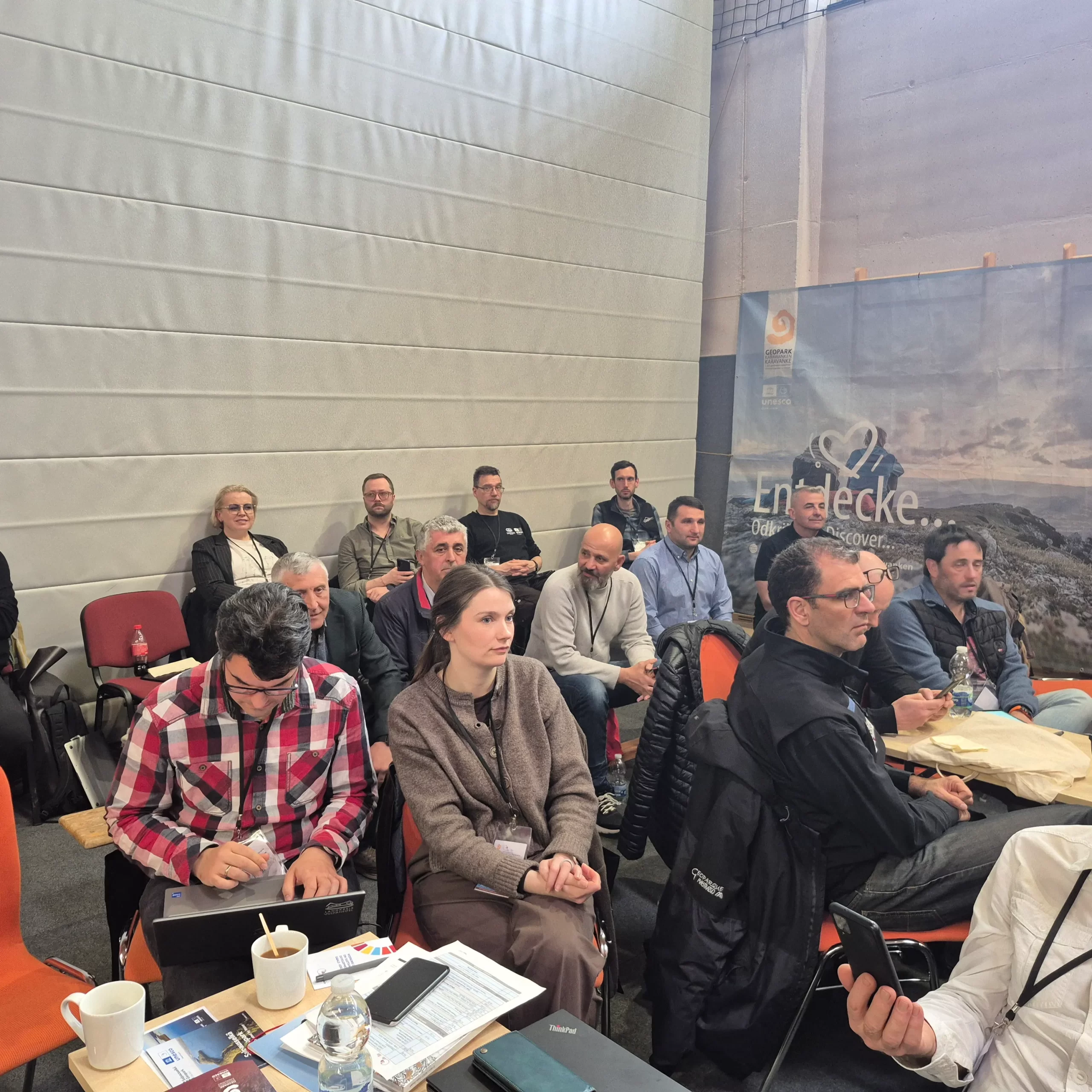
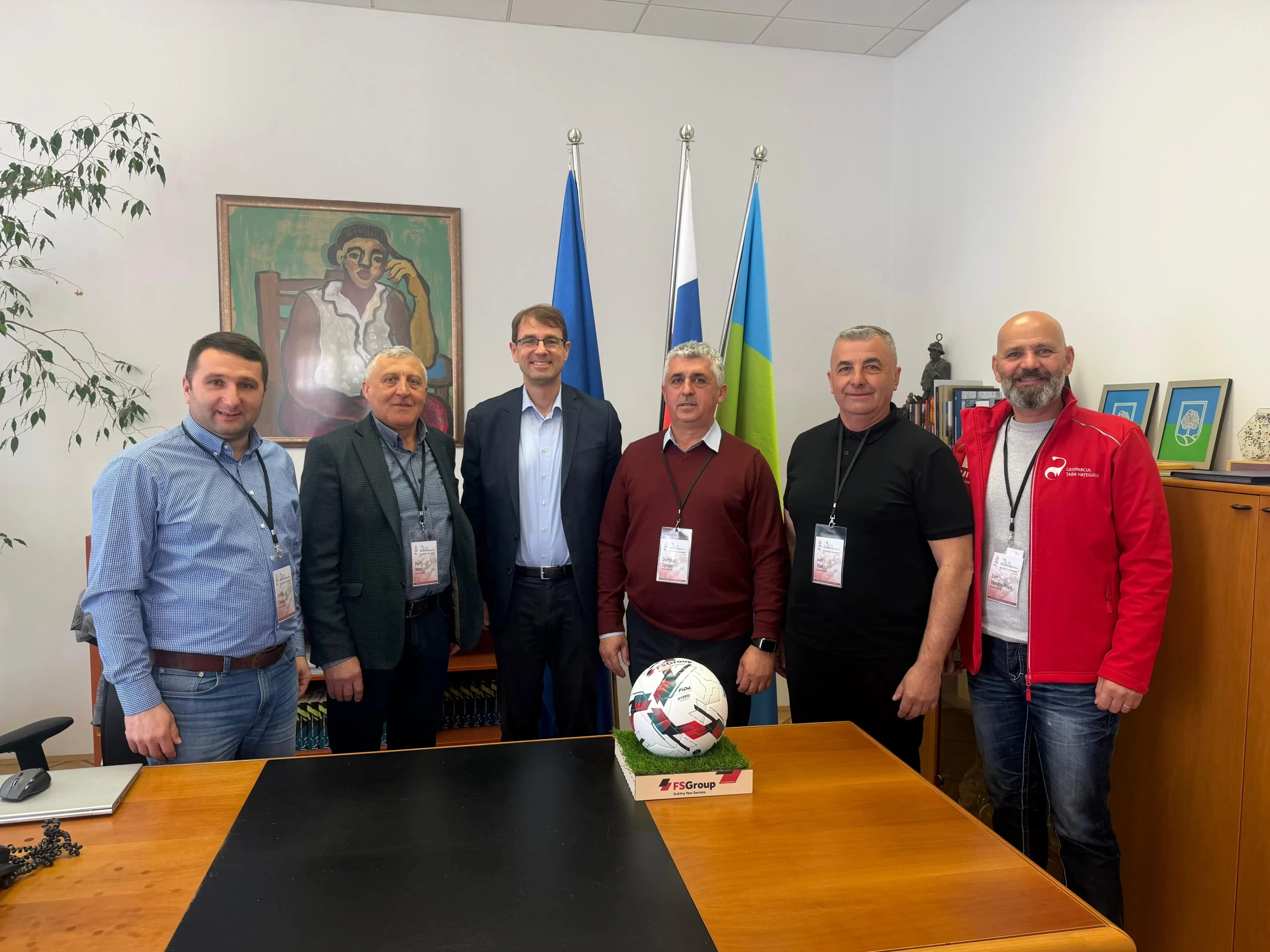
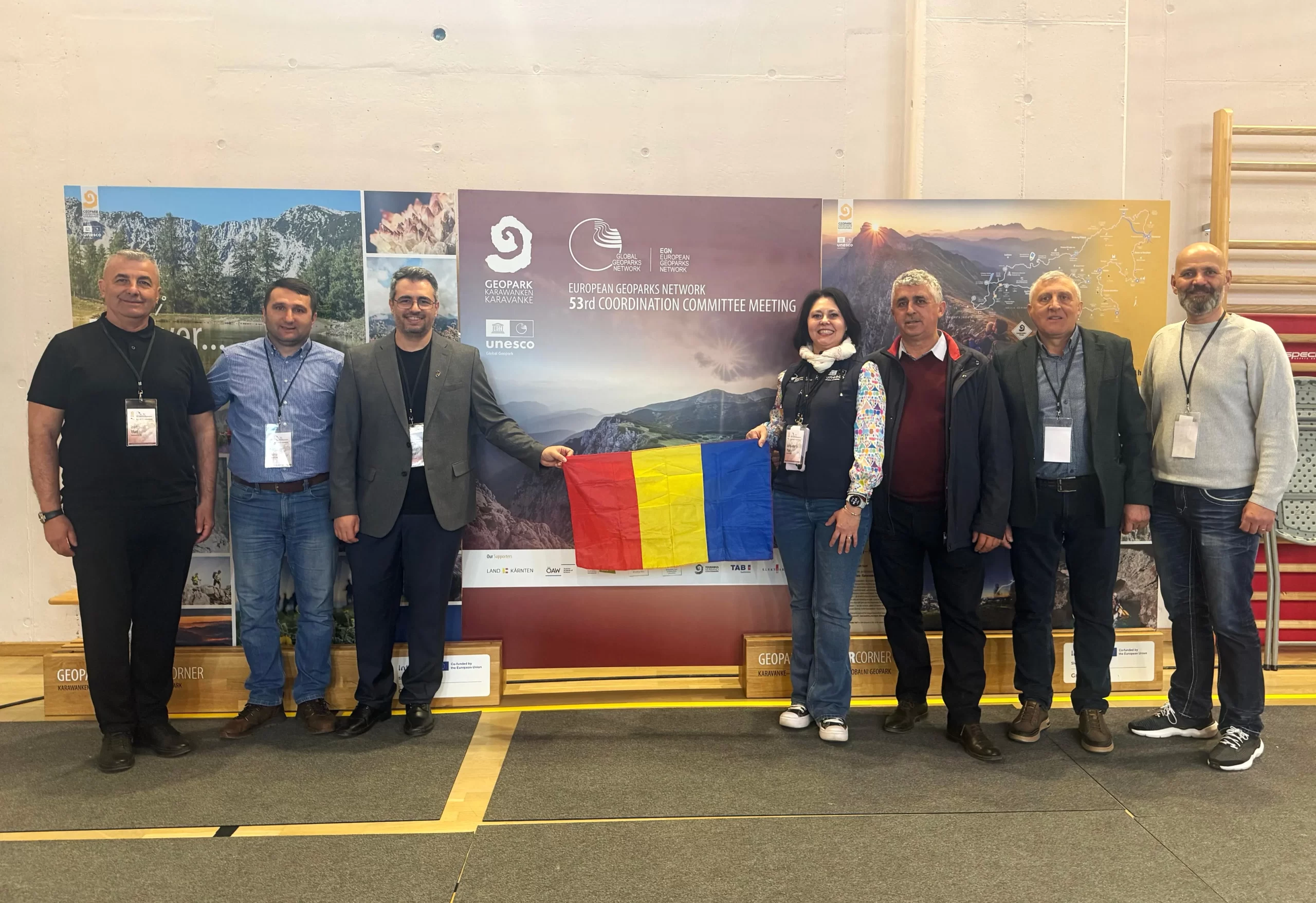
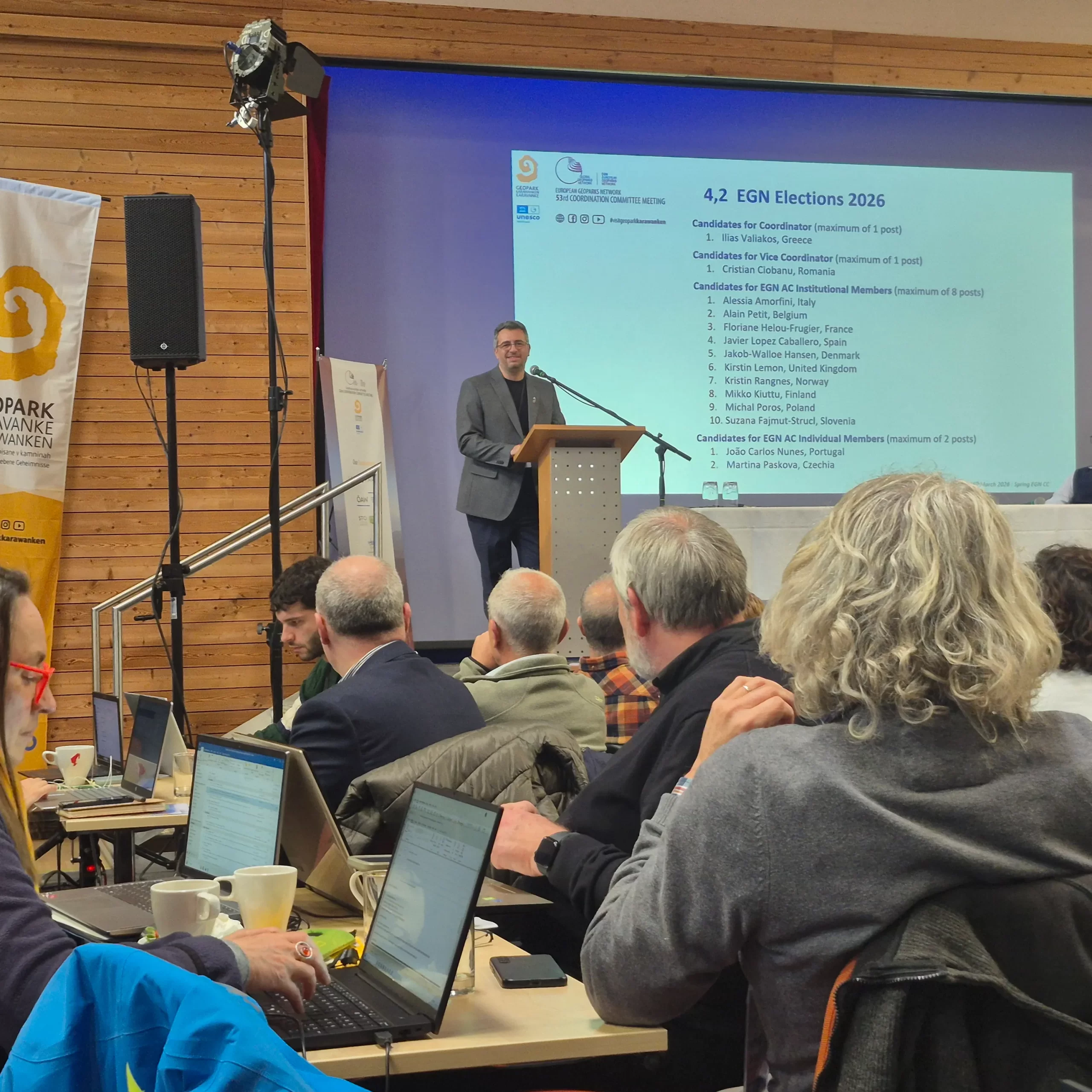
The coordinator of the UNESCO Hațeg Country International Geopark, administered by the University of Bucharest, Dr. Cristian Ciobanu, has been elected Vice-Coordinator of the European Geoparks Network (EGN). The decision was made following the EGN Coordination Committee meeting held between March 23–26, 2026, in the Karawanken–Karavanke UNESCO Global Geopark, a cross-border geopark located on the frontier between Austria and Slovenia. This marks the first time that Romania, through a member of the University of Bucharest community, holds an executive leadership position within this continental network.
The mandate lasts two years and is granted by a vote of the Coordination Committee members. This appointment represents recognition of Romania’s contribution to the development of the EGN and is an honor for the country to have representation at this decision-making level. It reflects the active role of the Hațeg Country Geopark within international networks and the ongoing involvement of the University of Bucharest in global initiatives supported by UNESCO. Through this position, Romania strengthens its presence in international dialogue on heritage protection, education, and sustainable development, in line with the values promoted by the Romanian National Commission for UNESCO.
The Vice-Coordinator’s main responsibilities include overseeing EGN activities between Coordination Committee meetings, representing the network in its relations with international bodies, and monitoring joint projects, events, and the exchange of best practices among geoparks. The role also involves contributing to the preparation of meeting agendas and strengthening cooperation between members.
“It is an honor to represent Romania, the University of Bucharest, and the Hațeg Country in this position. Taking on this role is both a responsibility and an opportunity to actively contribute to the development of the European Geoparks Network alongside colleagues from across Europe. At the same time, this election reflects the commitment and sustained work of all those who have initiated and been part of the Hațeg Country Geopark team over the years. I would like to thank former coordinators and members of the Advisory Committee for their dedication and contributions,” said Dr. Cristian Ciobanu.
Dr. Ciobanu will work alongside Dr. Ilias Valiakos from the Lesvos UNESCO Global Geopark in Greece, who was elected Coordinator of the European Geoparks Network. The two will collaborate with an Advisory Committee appointed during the same meeting.
About the UNESCO Hațeg Country International Geopark
The UNESCO Hațeg Country International Geopark covers the entire Hațeg Country region and holds UNESCO status as part of the International Geoscience and Geoparks Programme, which includes 229 territories across 50 countries within the Global Geoparks Network. These are designated through a rigorous selection and validation process.
The geopark is administered by the University of Bucharest. It is a territory rich in natural and cultural values, a sustainable development initiative, and a recognized brand offering a journey through the Earth’s 4.6-billion-year history. It represents both a mindset and a meeting place for those committed to revitalizing communities and preserving traditional values – whether local residents or visitors from afar. The geopark features significant geological sites alongside ecological, archaeological, historical, and cultural heritage. The dinosaurs discovered in the Hațeg region are unique worldwide, with their scientific importance enhanced by findings of nests containing eggs and hatchlings, as well as mammals that lived alongside dinosaurs and a giant flying reptile, Hatzegopteryx, belonging to the pterosaur group.

Postări asemănătoare:
 European week of Geoparks 2024: a marathon of events in the Hațeg County International UNESCO Geopark, administered by UB
 UNESCO delegation visits the Hațeg County International UNESCO Geopark, administered by the University of Bucharest
 The House of Volcanoes from the Hațeg County UNESCO International Geopark, administered by the University of Bucharest, marks its 10th anniversary
 Pupils and professors from four countries, including Romania, are valorizing “The Memory of the Earth” through the “EMME” Erasmus + program. Hațeg County UNESCO International Geopark, administered by UB, permanent support in implementing the program
