




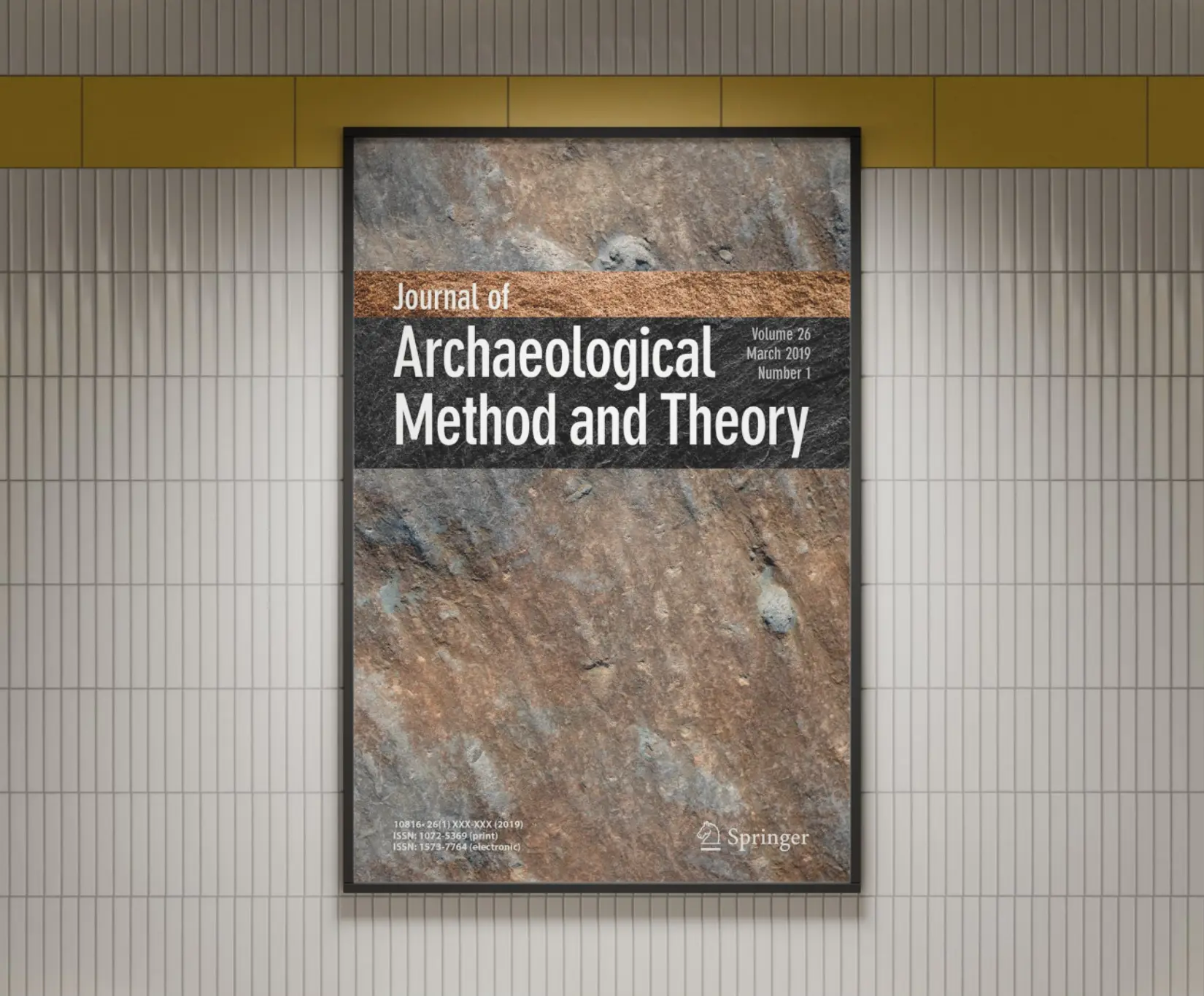
The ArchaeoSciences Platform of the Research Institute of the University of Bucharest (ASp-ICUB) marks an important milestone in the development of archaeological and archaeometric research in Romania with a new methodological study published in Journal of Archaeological Method and Theory. The article shows how direct AMS radiocarbon dating, stable isotope analysis and taphonomic assessment can transform archaeobotanical remains previously regarded as “intrusive” into meaningful chronological indicators for later episodes of activity at multi-period sites.
The study can be consulted here.
The study starts from a key methodological problem: charred seeds recovered from archaeological contexts do not always belong to the period suggested by their stratigraphic position. At sites with repeated occupation, plant remains may be displaced vertically or laterally through natural, anthropogenic or modern processes. Rather than being automatically discarded as “intrusive”, they can become meaningful evidence when directly dated, taphonomically assessed and critically integrated into archaeological interpretation.
At Gumelnița site, this approach was applied to charred millet seeds recovered from the fills of Chalcolithic graves. Direct dating showed that they do not belong to the fifth millennium BC contexts in which they were found, but to much later horizons spanning the Late Bronze Age and the beginning of the Early Iron Age. At the same time, one of the seeds, identified as Setaria italica — foxtail millet — represents, according to the authors, the earliest securely dated occurrence of this crop currently known from Europe.
Institutionally, the article is a milestone for ASp-ICUB and for the research direction developed around the platform’s Stable Isotope Lab. It is the second method-oriented article in this line of work, following the STAR: Science & Technology of Archaeological Research study (2024) on the acid-insoluble organic matrix of freshwater mussel shells as a proxy for palaeodietary and palaeoenvironmental reconstruction.
The study is a “made in UB” scientific product: conceived, integrated and interpreted through the methodological and intellectual infrastructure developed at the University of Bucharest, in collaboration with partners from the “Vasile Pârvan” Institute of Archaeology of the Romanian Academy, IFIN-HH (Romania) and the University of Bern (Switzerland). Through this type of research, the University of Bucharest demonstrates its capacity to move from repetitive research towards innovative research in archaeology and archaeosciences, based on independent verification, critical testing and the integration of bioarchaeological methods into archaeological interpretation.
Both articles are available open access. For the new Journal of Archaeological Method and Theory study, the open access publication charges were covered through the ANELIS Plus transformative agreement via the University of Bucharest.
References
García-Vázquez, A., Golea, M., Sava, G., Sava, T., & Lazăr, C. (2026). Restitutio Ab Initio: Direct Dating and Isotopic Evidence to Evaluate the Proxy Reliability of Intrusive Archaeobotanical Remains. Journal of Archaeological Method and Theory, 33, 54. https://link.springer.com/article/10.1007/s10816-026-09791-3
García-Vázquez, A., Radu, V., Covătaru, C., & Lazăr, C. (2024). Exploring the acid-insoluble shell organic matrix of freshwater mussels (Unionoida) as a proxy for palaeodietary and paleoenvironmental studies. STAR: Science & Technology of Archaeological Research, 10(1), e2415260. https://www.tandfonline.com/doi/full/10.1080/20548923.2024.2415260
Postări asemănătoare:
 ICUB invites you to the lecture „Symbolic roles of plants in the past inferred from archaeobotanical remains and archaeological context”, delivered by Dr. Dragana Filipović, from the University of Algarve
 ICUB invites you to the lecture “Advances in Radiocarbon Dating”, delivered by Dr. Tiberiu Sava from the University of Bern
