





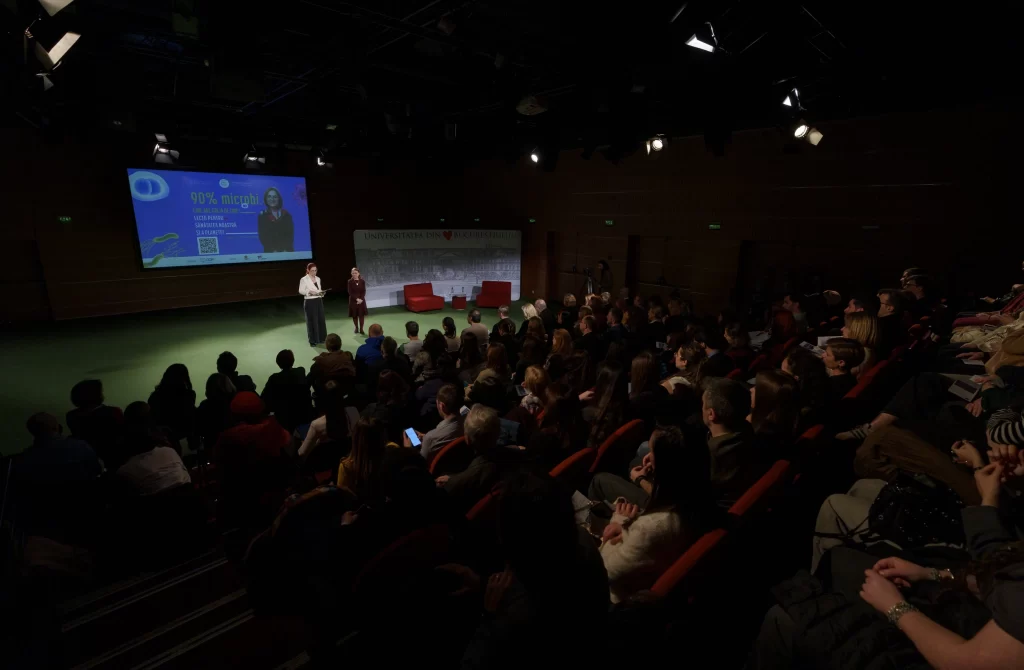
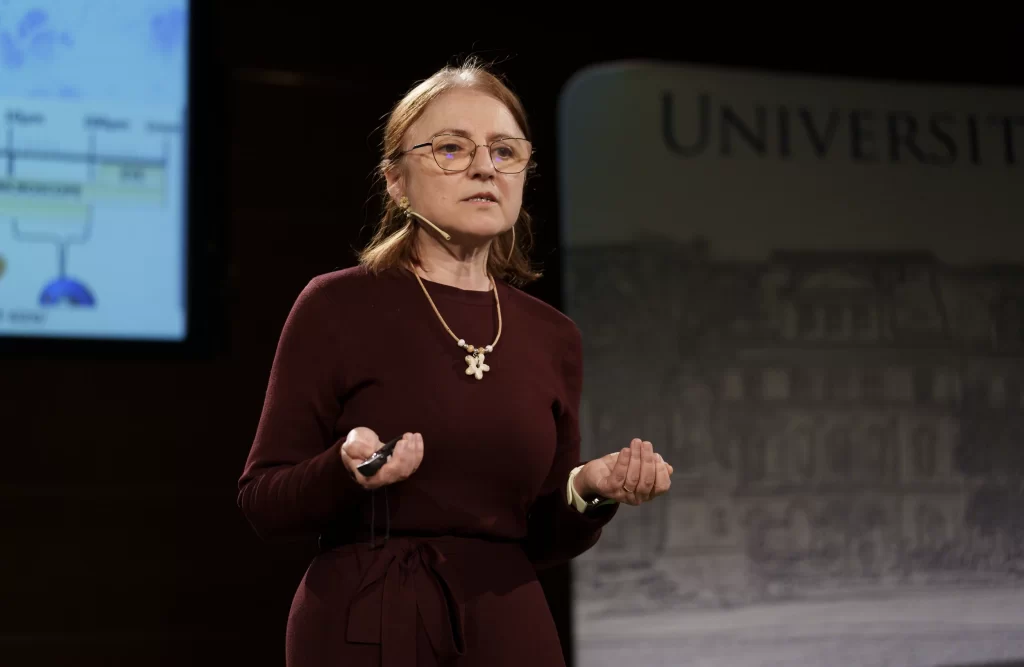
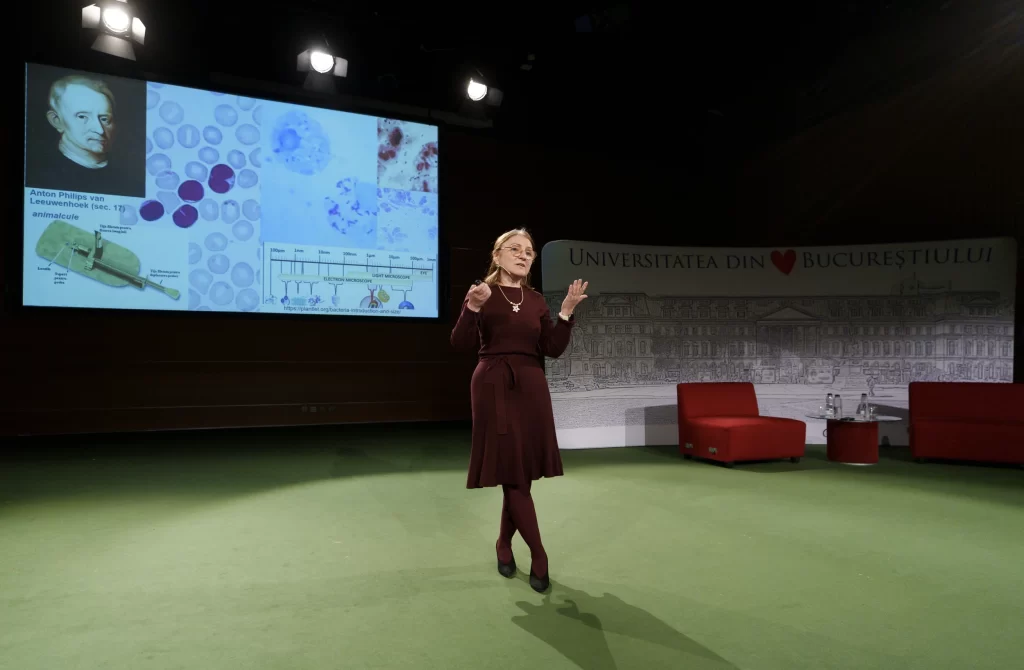
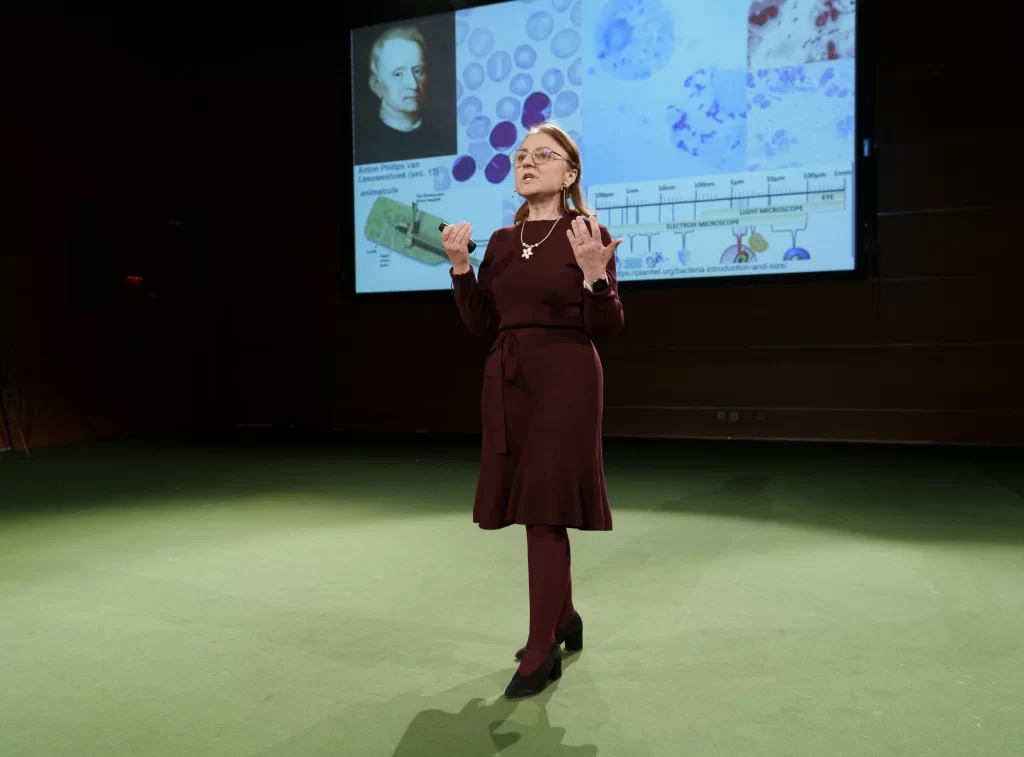
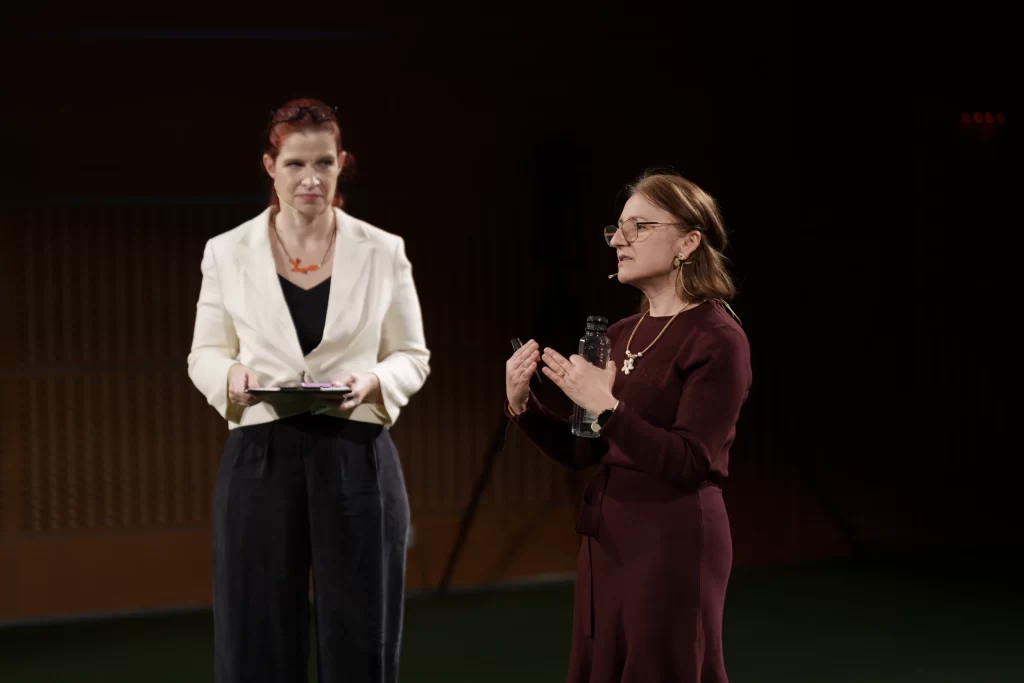
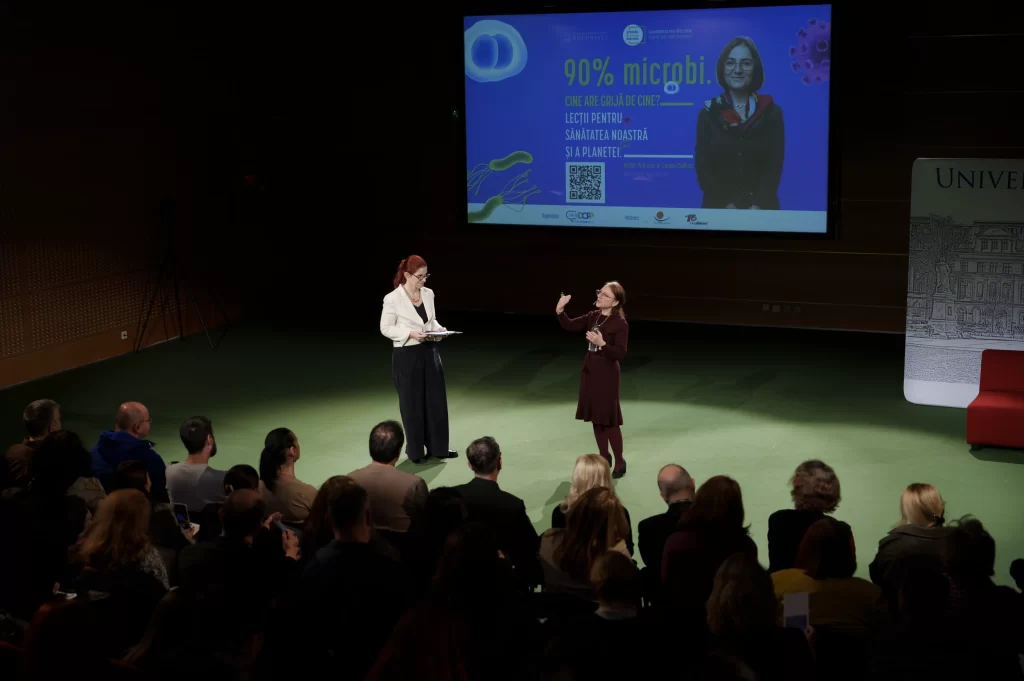
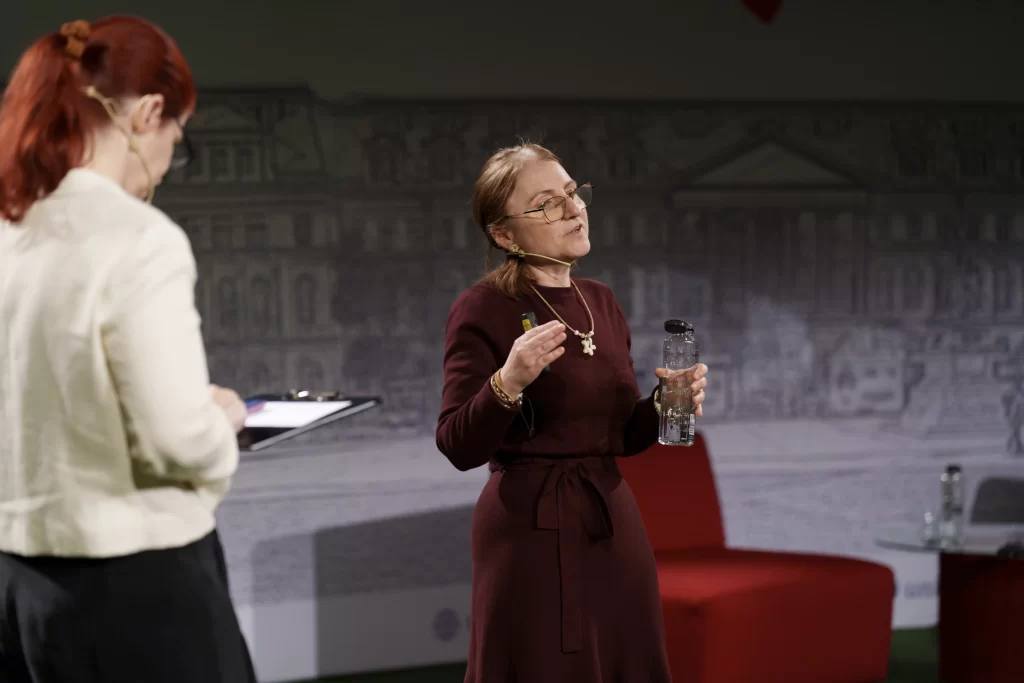
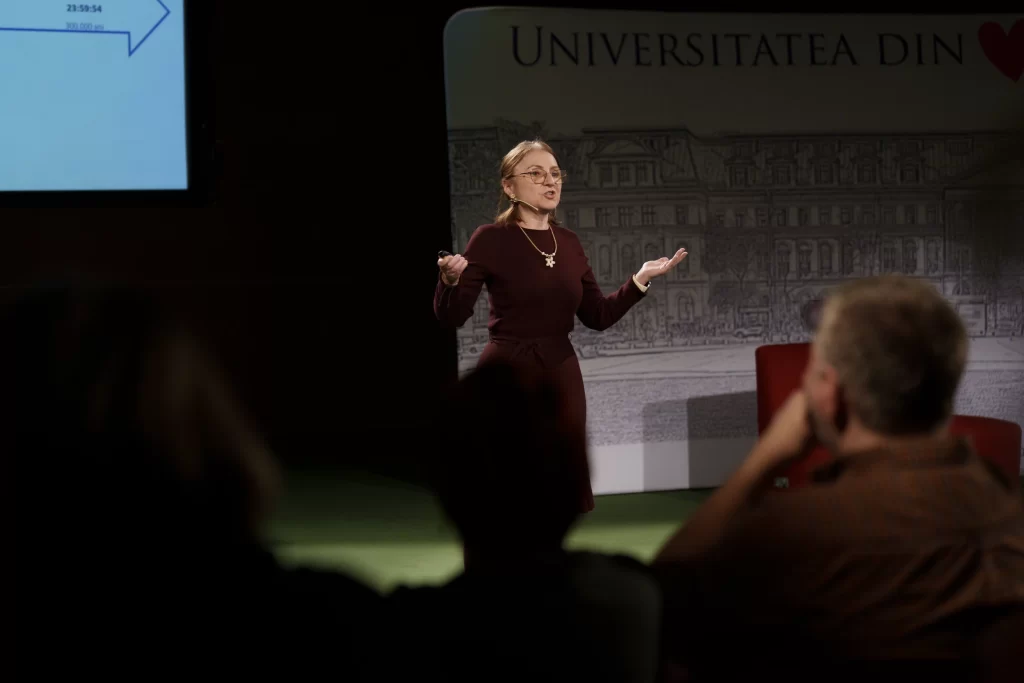
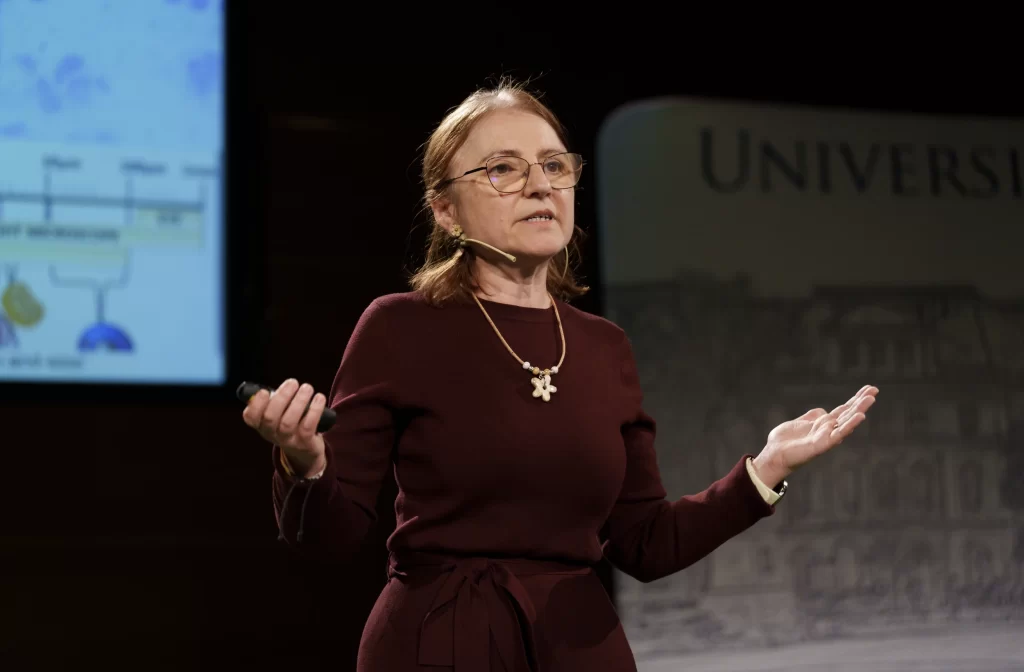
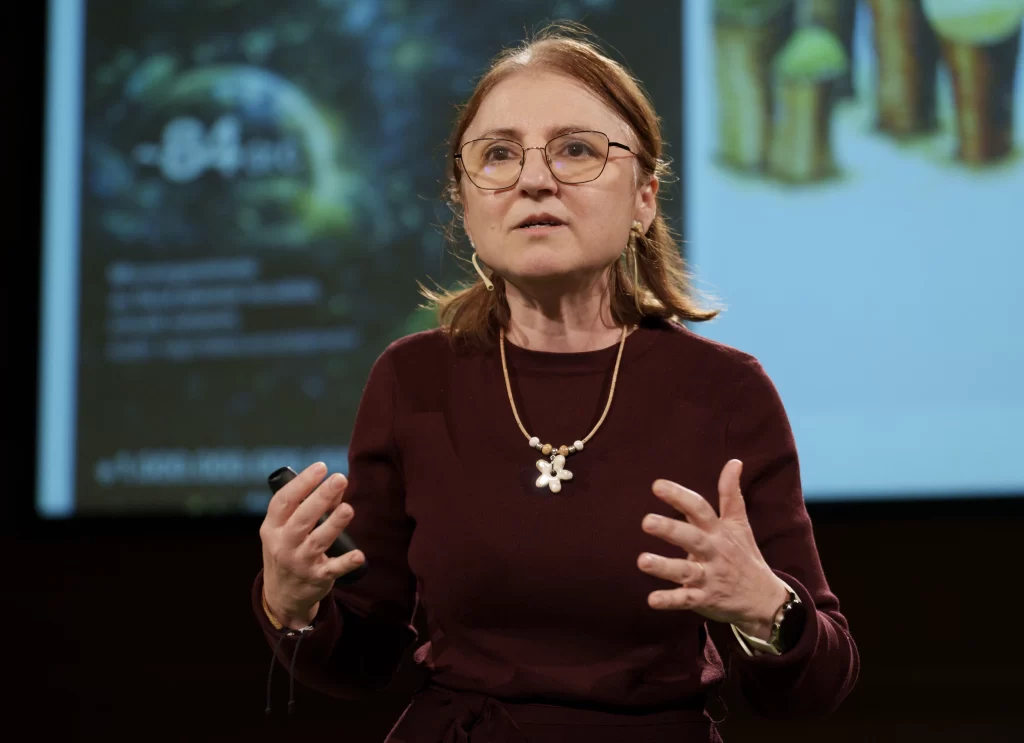
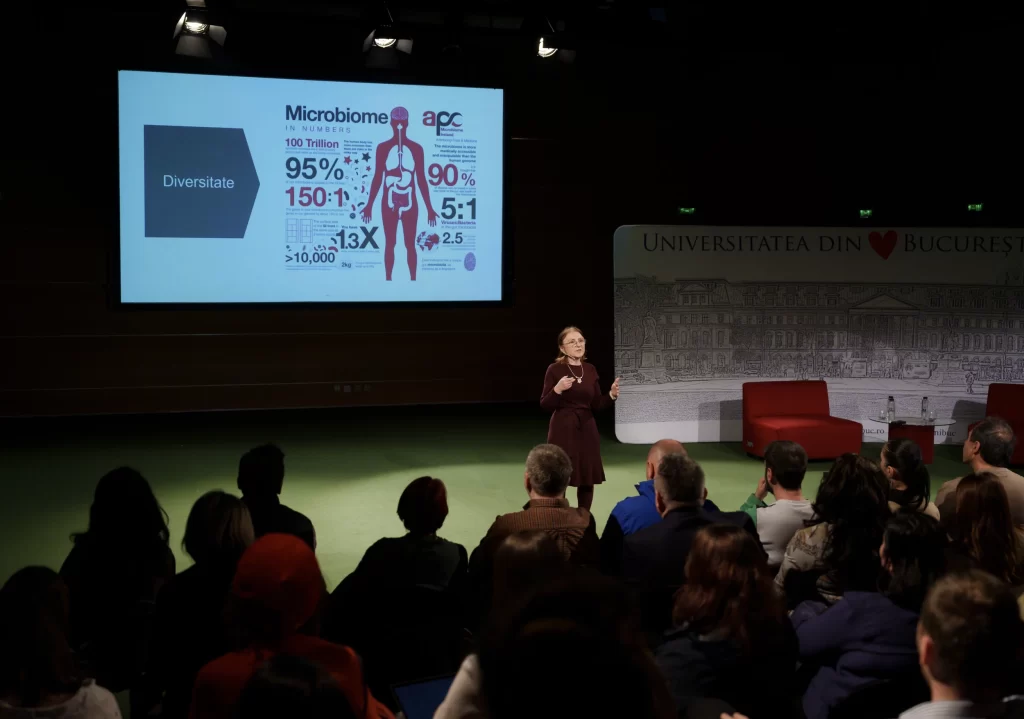
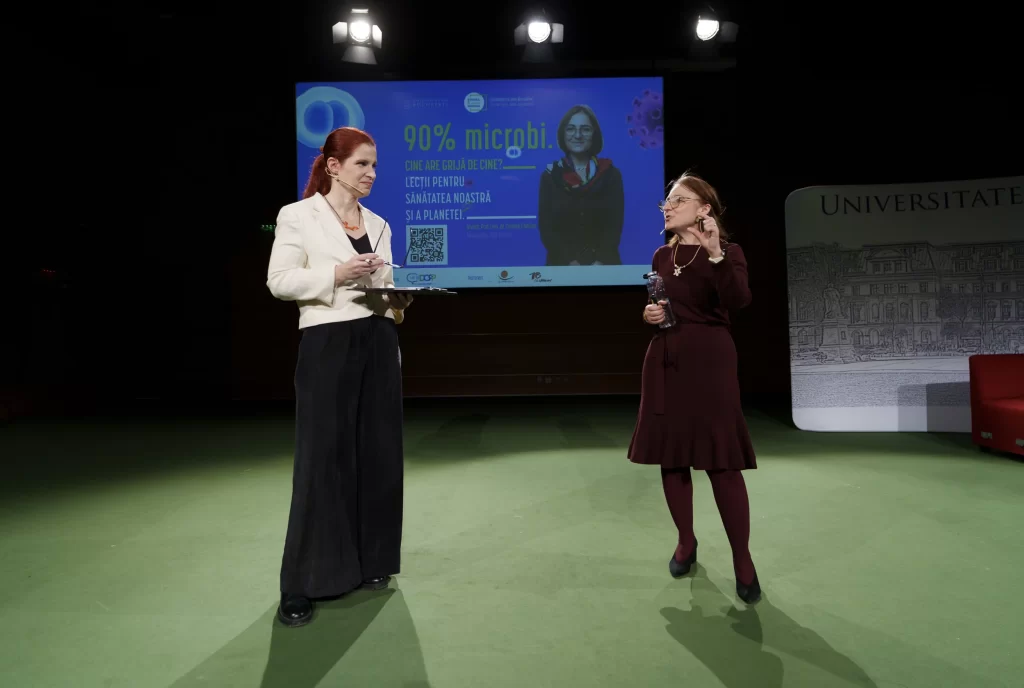
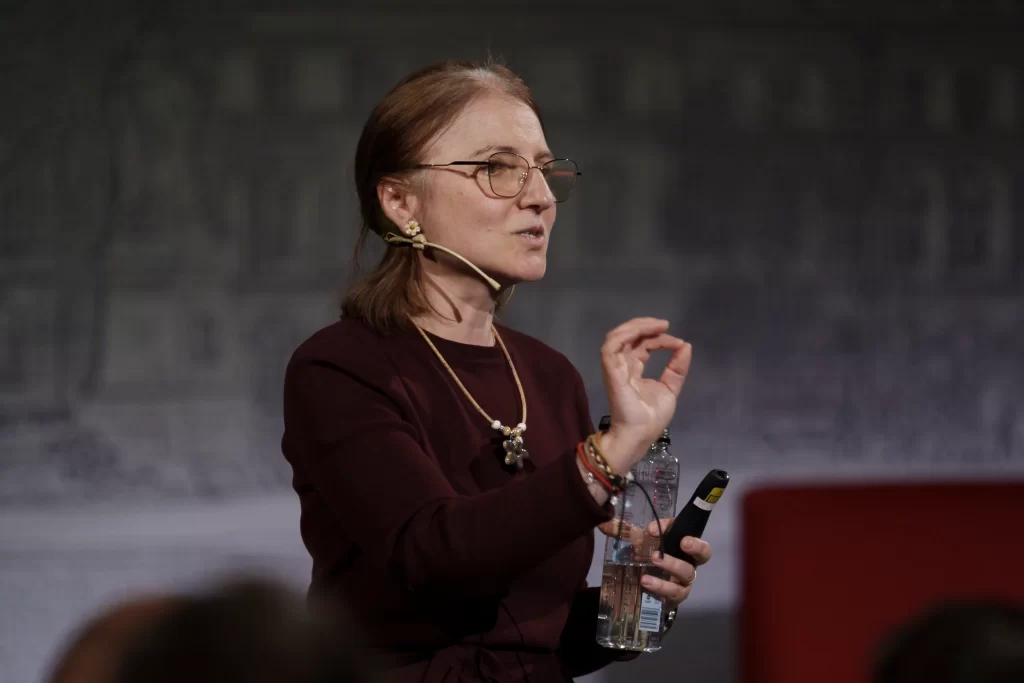
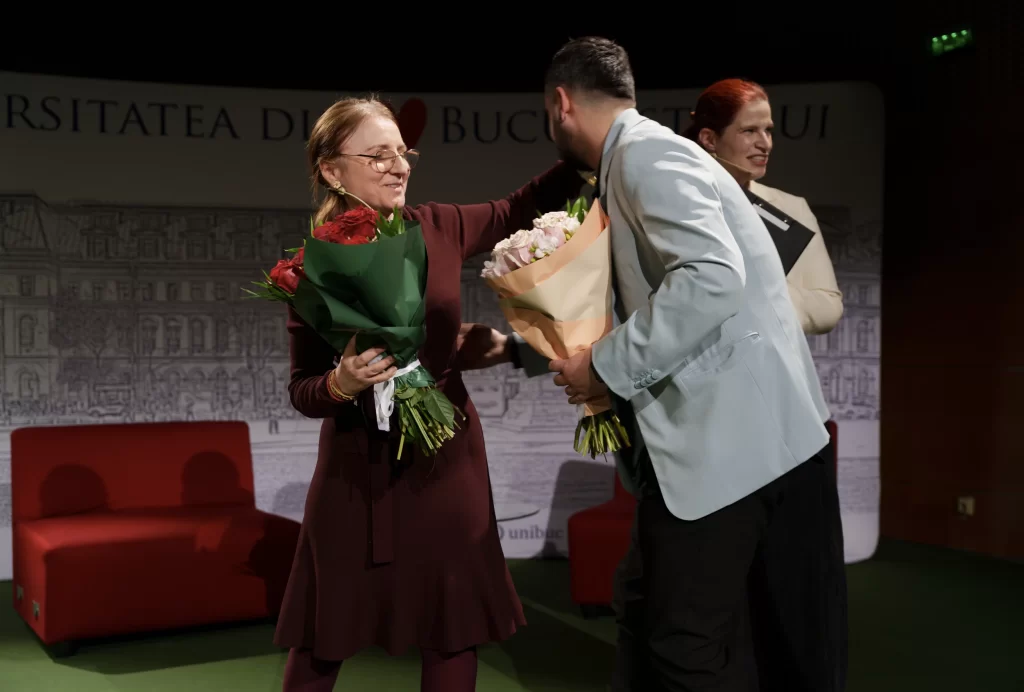
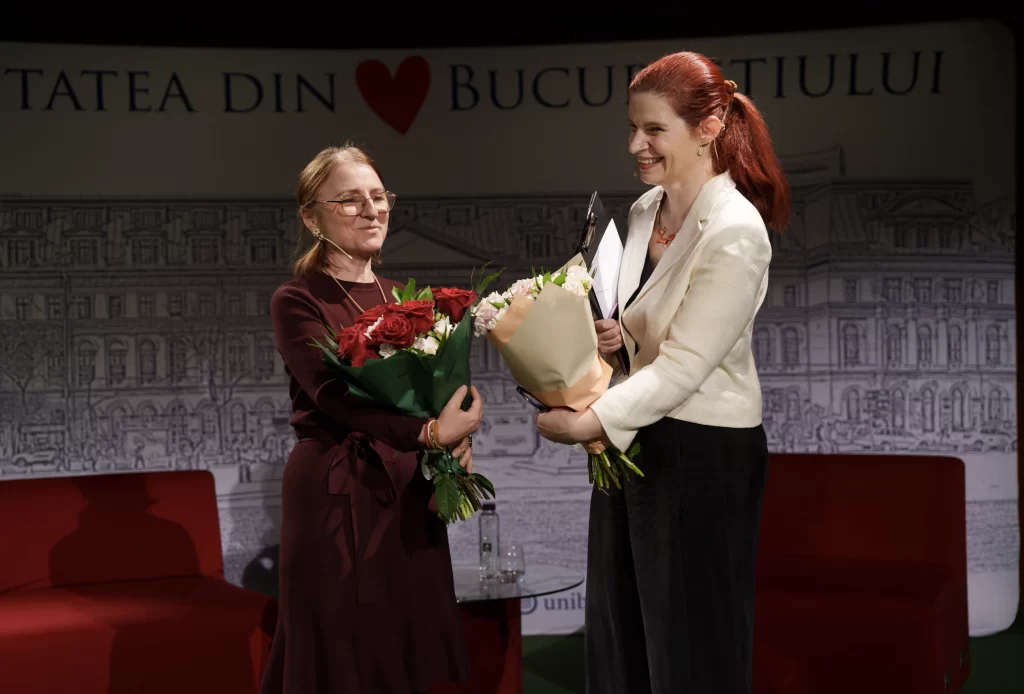
The University of Bucharest launched its “Science on an Open Stage” conference series on Tuesday, March 17, 2026, with the lecture “90% Microbes: Who Takes Care of Whom? Lessons for Our Health and the Planet,” delivered by Prof. Carmen Chifiriuc, researcher and faculty member at the University of Bucharest.
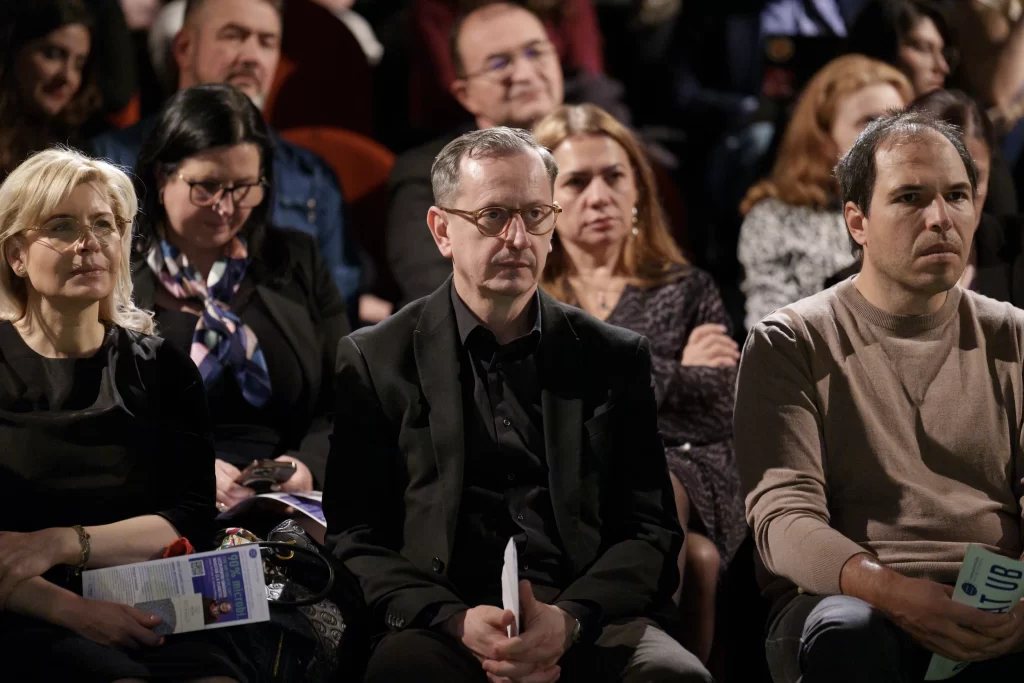
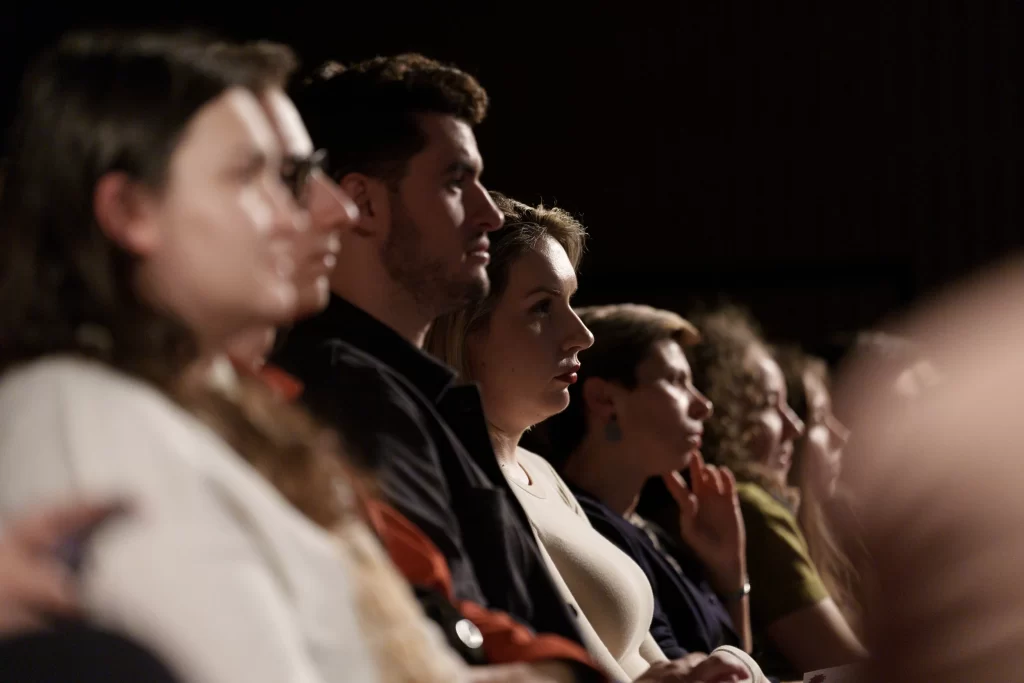
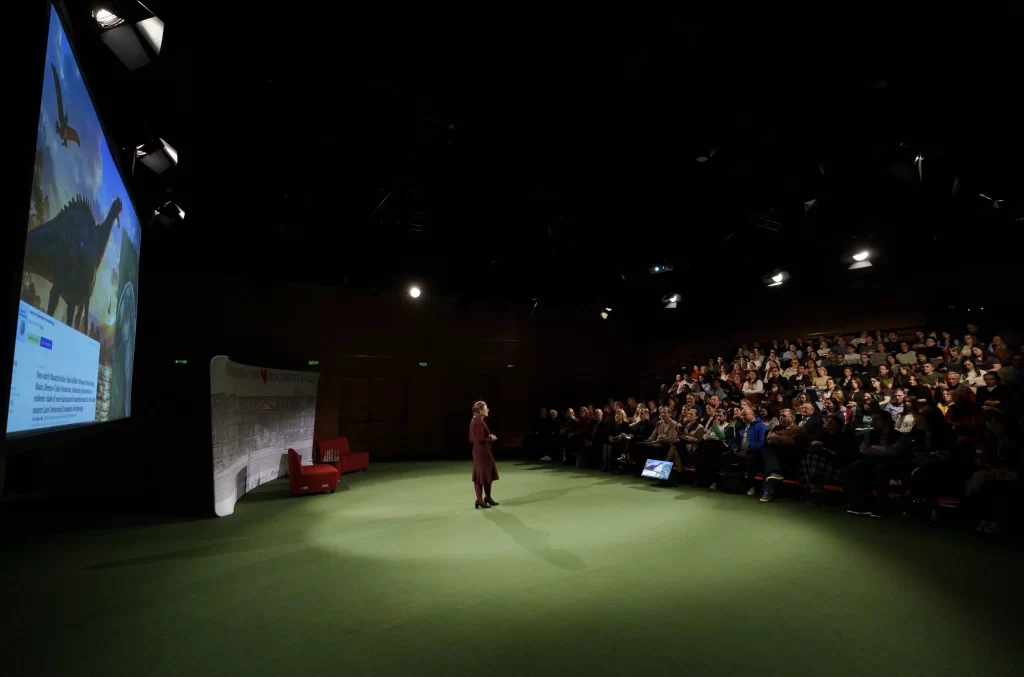
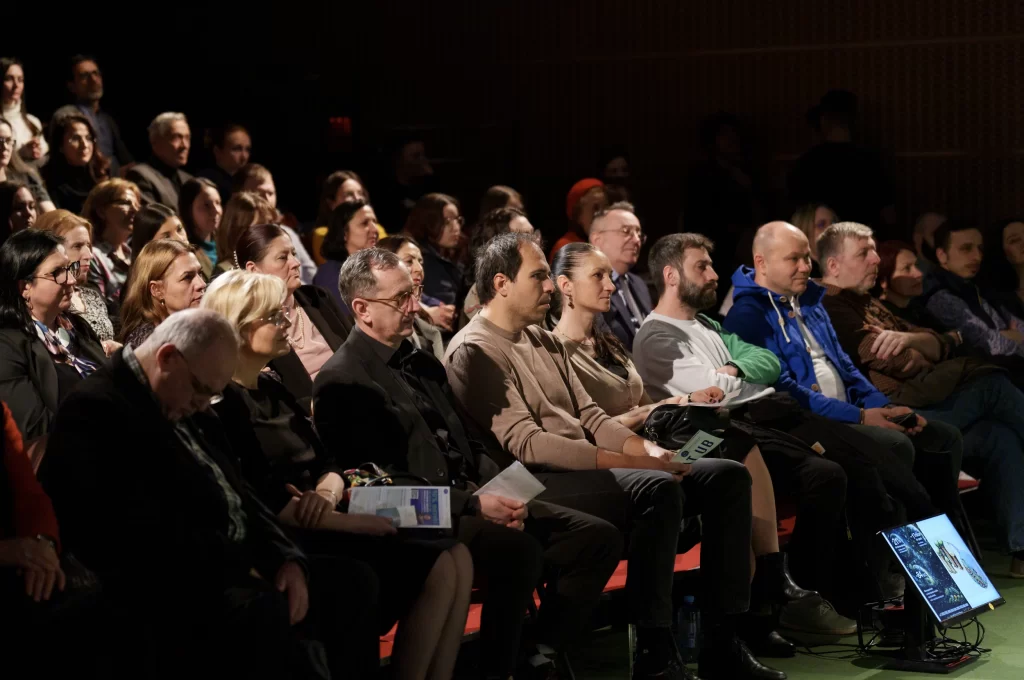
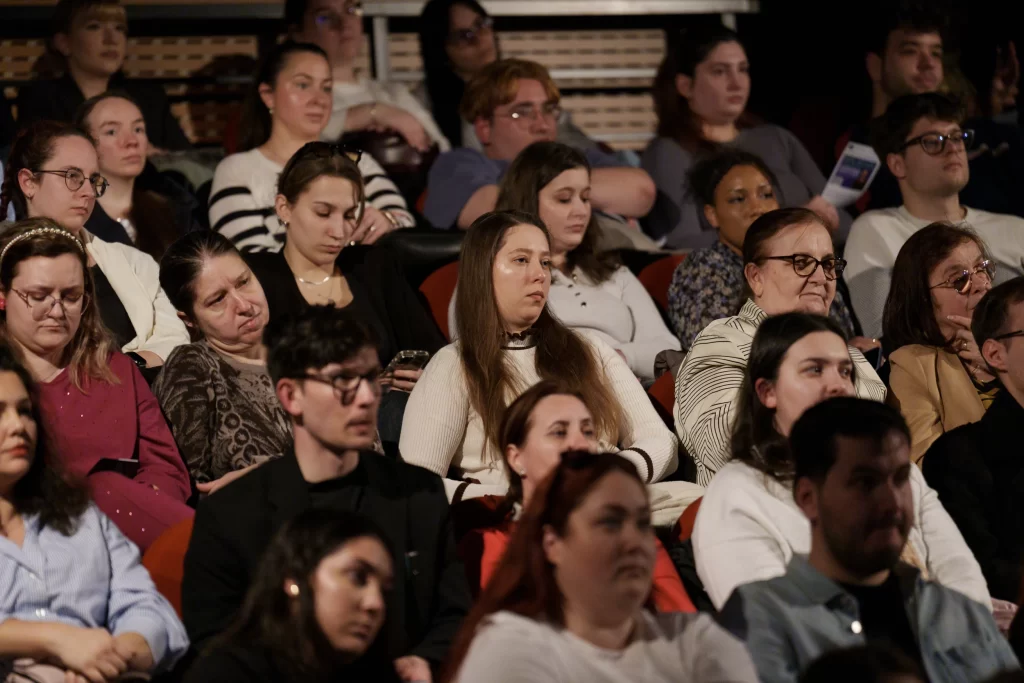
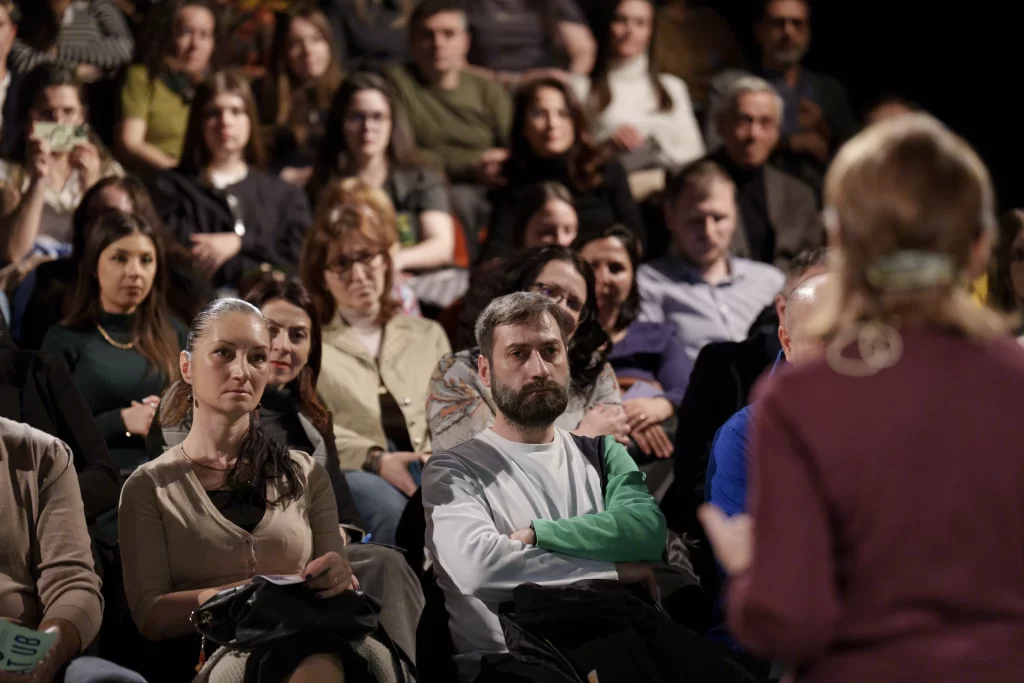
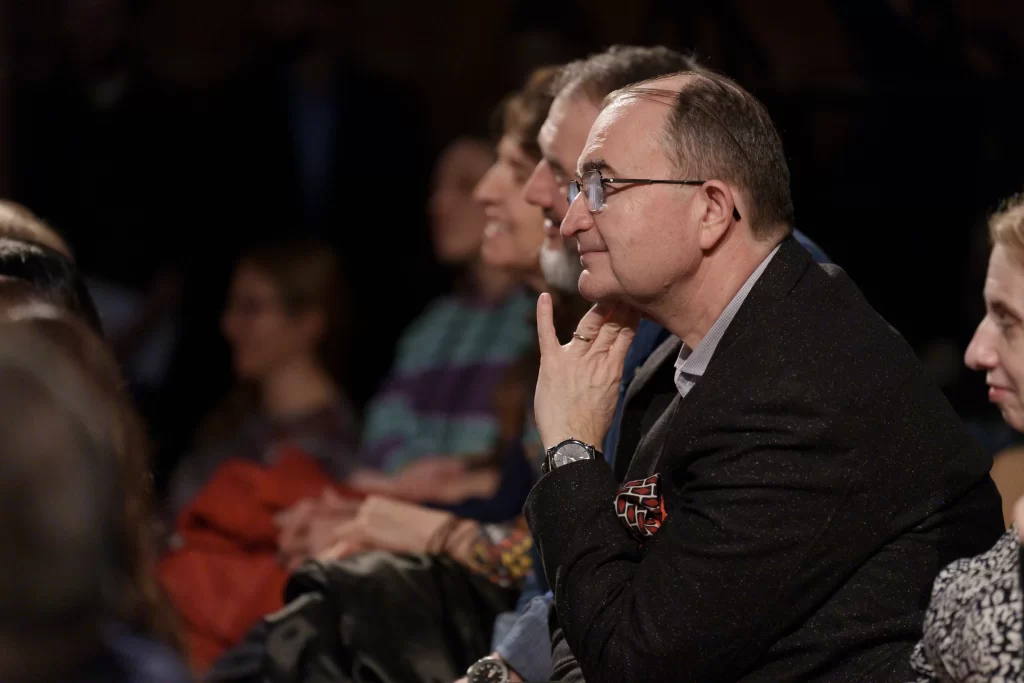
In an engaging and accessible presentation rooted in contemporary realities, Prof. Dr. Carmen Chifiriuc guided an audience of over 150 science enthusiasts through the fascinating, invisible world of the microbiome – the vast community of microorganisms that live within and around us, profoundly shaping our health and well-being.
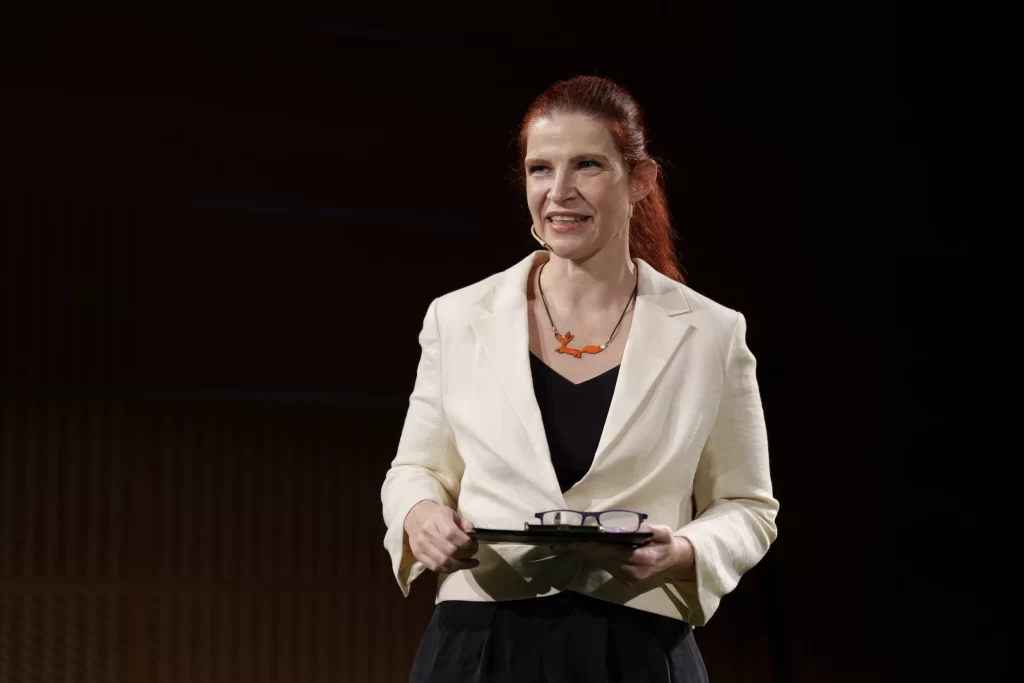
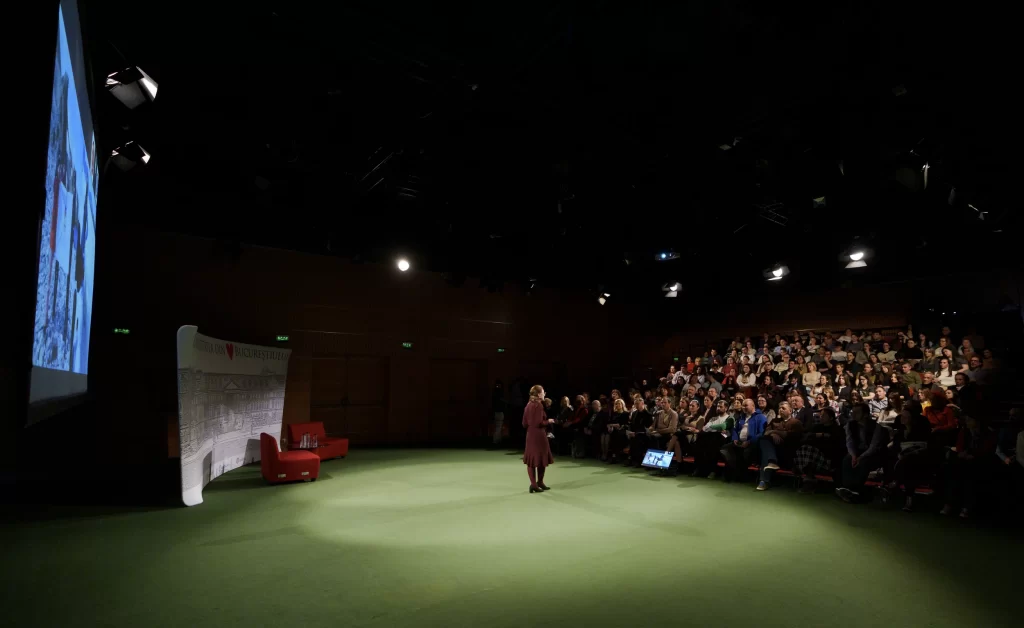
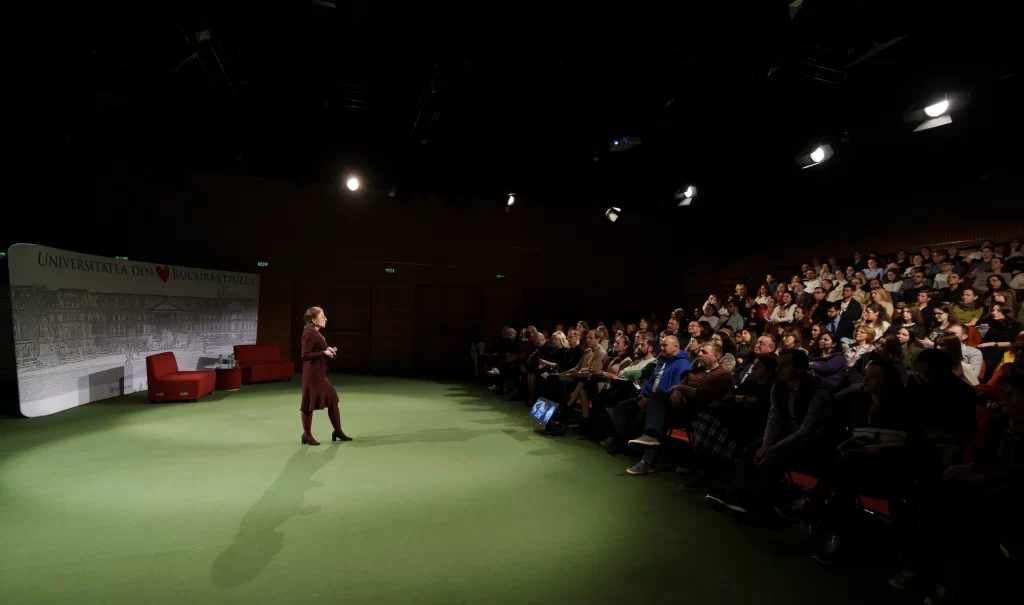
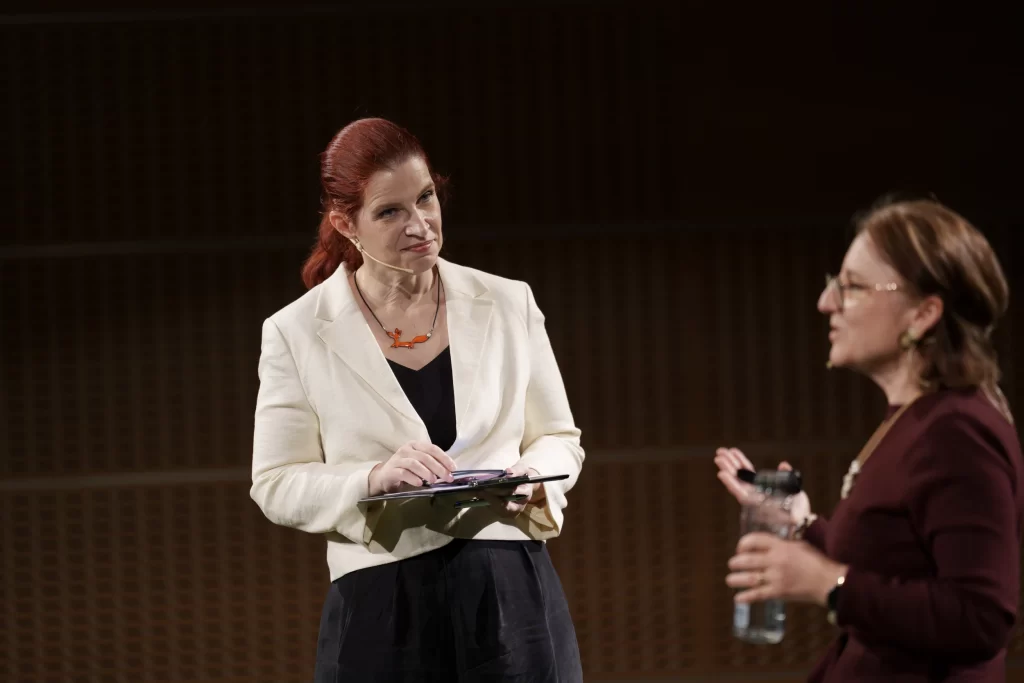
The event took place in the “Media” Hall of the “I. L. Caragiale” National Theatre in Bucharest and was organized by the University of Bucharest, through its Directorate of Communication and Public Relations, in partnership with the SciPublic Forum Association. The conference was moderated by Ada Roseti, science communication expert, founder of the SciPublic Forum Association, and initiator of the “Games of Science” competition.
Beyond its scientific dimension, the lecture introduced a broader perspective through the “One Health” approach. In this context, Prof. Dr. Carmen Chifiriuc emphasized that “human health cannot be separated from the health of animals and the environment,” highlighting the growing impact of climate change, pollution, and the overuse of antibiotics on global health risks.
Throughout the talk, she explored the connection between gut microbiota and the nervous system, explaining that certain microorganisms can produce or modulate neurotransmitters, thereby influencing our mental and emotional well-being. As she noted, the microbiome “is not something abstract or distant, but an essential part of our everyday balance.”
She also addressed the relationship between the immune system and antibiotics, describing it as a form of collaboration:
“When the immune system is overwhelmed by a highly aggressive pathogen, antibiotics help reduce the bacterial load, giving the body time to regroup and eliminate the infection through its natural mechanisms. Antibiotics do not replace the immune system – they support it.”
In the context of rising antibiotic resistance, ecological imbalances, and the emergence of new pathogens, understanding our relationship with microorganisms is becoming increasingly important for encouraging informed and responsible behavior in a rapidly changing world. Prof. Dr. Carmen Chifiriuc warned that “resistance can begin to develop within as little as 24 hours after starting antibiotic treatment,” underlining how quickly bacteria can adapt.
This makes the inappropriate use of antibiotics a major concern: they do not address viral infections and can instead disrupt the microbiota, potentially triggering inflammation and worsening the overall condition.
The lecture also highlighted the complex communication between microorganisms and the human body:
“Microorganisms constantly communicate with each other and with their host through signaling molecules. The body continuously interprets these signals, distinguishing between beneficial microbes and pathogens, and adjusts its immune response accordingly.”
Prof. Carmen Chifiriuc is a biologist specializing in microbiology and immunology, a faculty member at the Faculty of Interdisciplinary Studies at the University of Bucharest, and Vice-Rector for Research. Since 2019, she has coordinated the university’s scientific research activity, including that of the University of Bucharest Research Institute (ICUB).
She began her research career in 1997 as a biologist in the Vibrio laboratory at the National Institute for Medical-Military Research and Development “I. Cantacuzino” in Bucharest. She has held research fellowships at the Pasteur Institute in Paris and in Bangui, and in 2005 she earned her PhD with a thesis on parasite–host immune interactions.
As a national coordinator, she contributed to Romania’s inclusion in the European Antimicrobial Resistance Surveillance Network (EARSS). Since joining the University of Bucharest in 2003, she has led numerous nationally and internationally funded research projects and has participated in over 50 research initiatives.
Her research focuses on antibiotic resistance and virulence reservoirs in clinical and environmental contexts, host–pathogen interactions, the role of microbiota in disease, anti-infective immunity, rapid diagnostic methods, and the development of innovative antimicrobial strategies with applications in both biomedicine and ecology.
University of Bucharest Conferences: “Science on an Open Stage”
The “Science on an Open Stage” conference series, organized by the University of Bucharest in collaboration with the SciPublic Forum Association, aims to bridge the gap between academia and the general public. It creates a space where experts from diverse fields can engage audiences in discussions on relevant and timely topics.
The series brings together professors, researchers, and leading voices from across scientific disciplines, presenting science not just as knowledge, but as a dynamic and engaging experience. It encourages dialogue, critical thinking, and active participation.
Each event follows a dynamic format designed to enhance understanding and interaction: a 20-minute introductory lecture, followed by a brief Q&A session, a 15-minute applied segment with practical examples or case studies, and a final extended Q&A session that fosters in-depth discussion.
Through this initiative, the University of Bucharest reaffirms its commitment to making high-quality science accessible, inspiring curiosity, and strengthening the connection between research and society – at a time when topics such as public health, climate change, and scientific literacy are more important than ever.
As part of this mission, the university has also launched a Science Communication Program aimed at promoting research and fostering dialogue between scientists and the public. The program includes thematic conferences, multimedia series such as “UB’s Science Dose,” “microSCOP: UB Researcher at the Microphone,” “Project Under the Lens,” “ICUB Meetings,” and “Conversations with SKEPSIS,” as well as editorial content including articles, interviews, and audio-video reports published across its platforms.



















Postări asemănătoare:
 The University of Bucharest launches the “Science on the open stage” lecture series. The first guest, Professor Carmen Chifiriuc, PhD, invites the public on a journey into the universe of the microbiome
 UB hosted a meeting between Prof. Carmen Chifiriuc, Vice-Rector for Research of UB, Prof. Gabriela Popescu, President Elect of the Biophysical Society, and Prof. Ana-Nicoleta Bondar, Biophysical Society Ambassador for Romania
 The training event „Open Science – Policies and Practices”, within „The Science Career Project” of University of Bucharest
UB hosted a meeting between Prof. Carmen Chifiriuc, Vice-Rector for Research of UB, Prof. Gabriela Popescu, President Elect of the Biophysical Society, and Prof. Ana-Nicoleta Bondar, Biophysical Society Ambassador for Romania
The training event „Open Science – Policies and Practices”, within „The Science Career Project” of University of Bucharest
UB hosted a meeting between Prof. Carmen Chifiriuc, Vice-Rector for Research of UB, Prof. Gabriela Popescu, President Elect of the Biophysical Society, and Prof. Ana-Nicoleta Bondar, Biophysical Society Ambassador for Romania
