




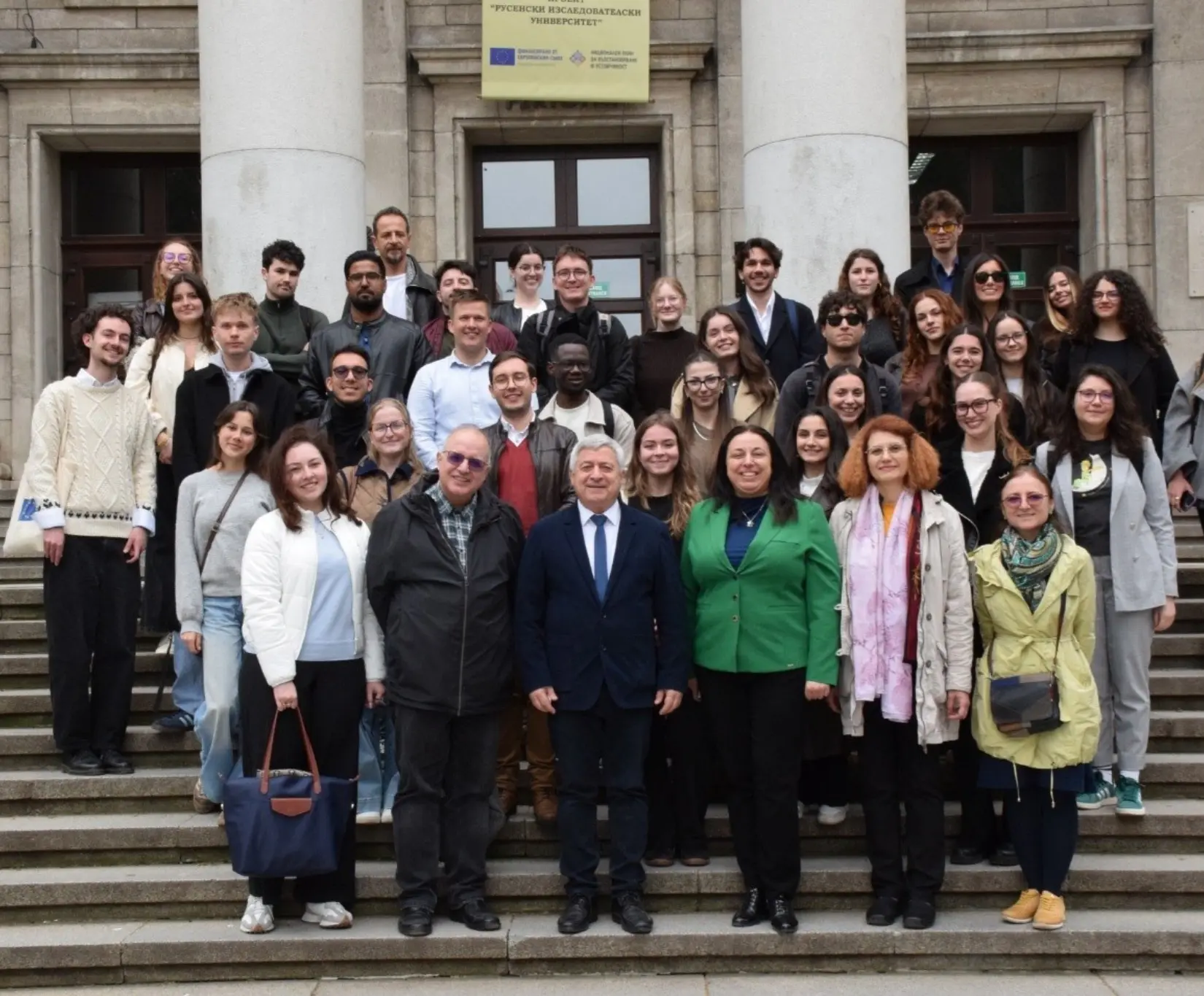
Between April 20 – 24, 2026, the University of Bucharest hosted the Blended Intensive Programme (BIP) “Transnational Cooperation, European Values, and Policies in Higher Education: Perspectives and Challenges”, bringing together 36 students and academic staff members from partner universities within CIVIS – Europe’s Civic University Alliance.
The programme combined a one-month online component with a week of intensive in-person activities in Bucharest, offering participants the chance to connect academic learning with practical, intercultural, and collaborative experiences. Throughout the BIP, topics such as transnational cooperation, European values, and the European Higher Education Area moved beyond theoretical discussions and became tangible experiences, explored through debates, visits, discussions, and group projects.
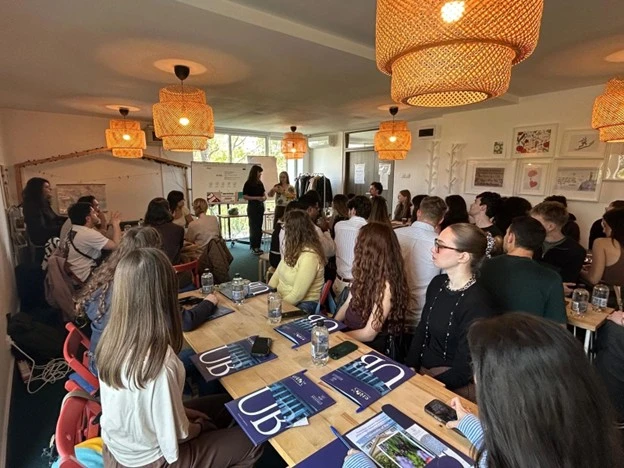
A Comprehensive Educational Journey: From Reflection and In-Depth Learning to Practical Applications
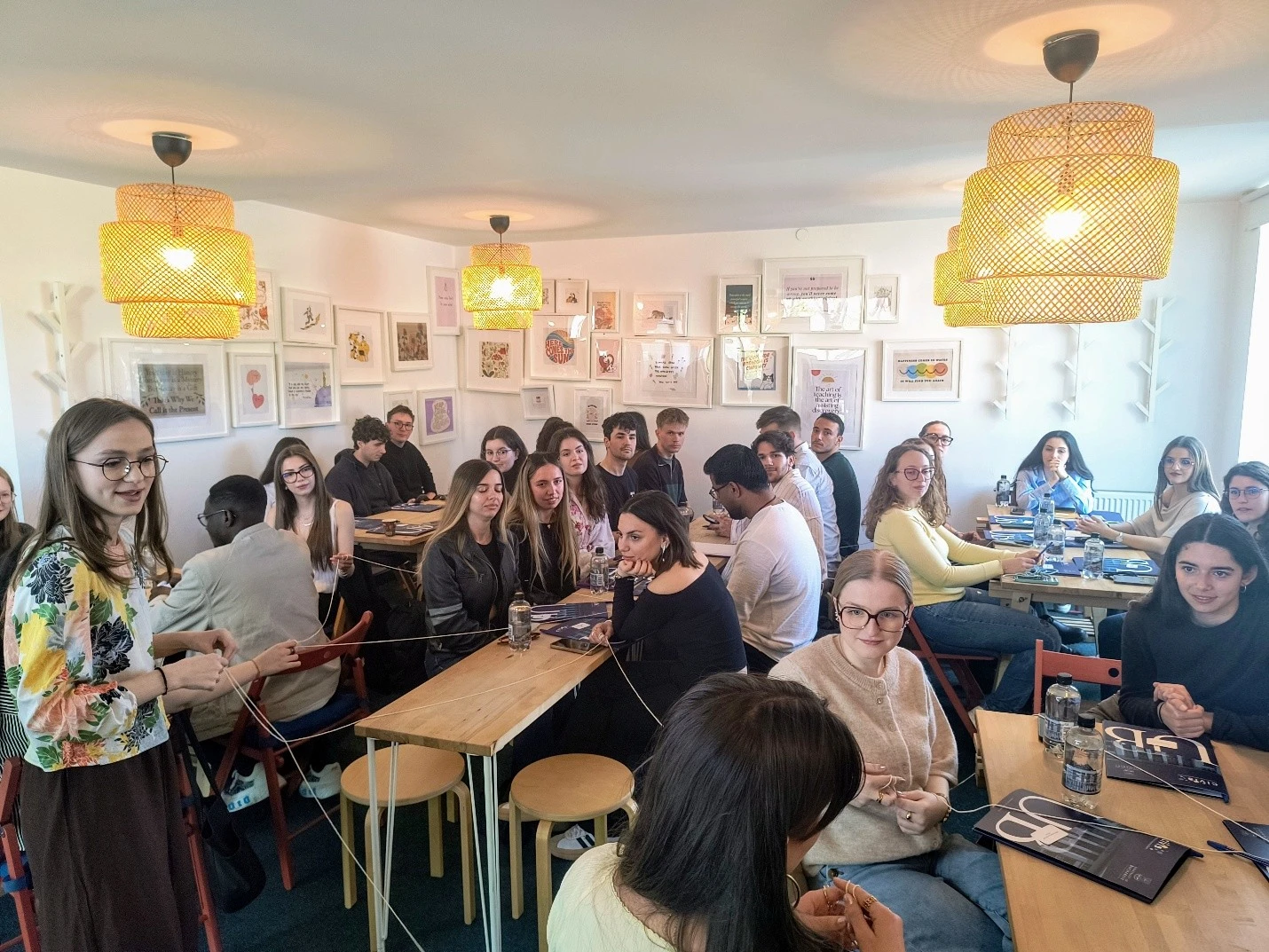
The programme began on Monday, April 20, with an introductory and team-building session facilitated by the UB Learning Center, followed by an administrative briefing. The official opening featured welcoming remarks from the programme coordinators, Prof. Bogdan Murgescu, PhD, Vice-Rector of the University of Bucharest for Budget and Human Resources, and Prof. Romiță Iucu, PhD, President of the Board of Trustees at the University of Bucharest and Professor of Higher Education and Pedagogy. They encouraged participants to take full advantage of the academic and intercultural opportunities offered by the programme, which itself served as a practical example of transnational cooperation.
Later that day, participants attended a lecture by Prof. Sophia Papaioannou (National and Kapodistrian University of Athens), who explored the European Universities Initiative and the key challenges commonly associated with transnational cooperation.
On Tuesday, April 21, the programme continued with a lecture by Prof. Bogdan Murgescu, PhD, (Faculty of History), who spoke about the memory of European integration and the ways historical meaning is constructed. Participants then took part in a study visit to Ruse, Bulgaria, transforming the simple act of crossing a border into a hands-on experience of European integration, mobility, and cross-border cooperation. In Bulgaria, representatives of the “Angel Kanchev” University of Ruse introduced participants to the institution’s experience in transnational educational cooperation through the Bulgarian-Romanian Interuniversity Europe Centre (BRIE). Earlier that morning, participants had explored the Romanian perspective through a presentation delivered by Professor Marius Profiroiu, PhD, (Bucharest University of Economic Studies). Together, these activities helped students better understand the importance of regional cooperation in advancing European integration, while also encouraging discussion around the main challenges and barriers affecting such initiatives.
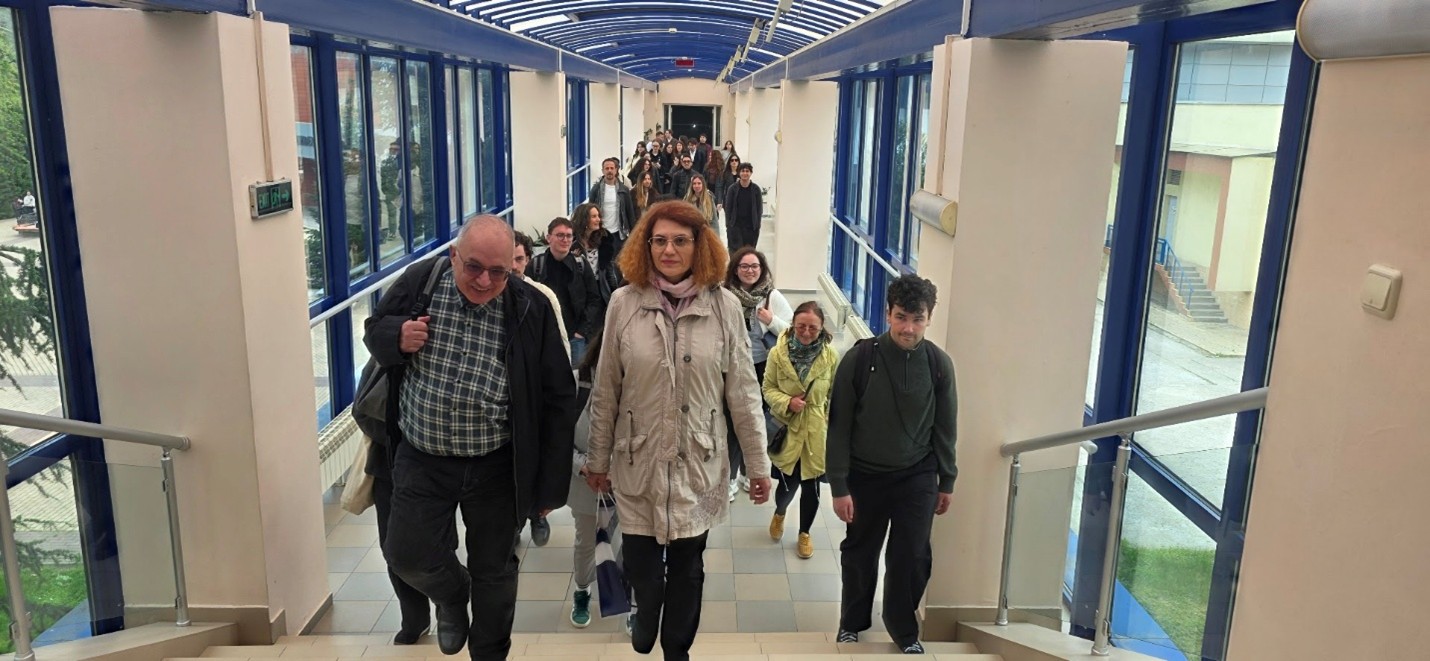
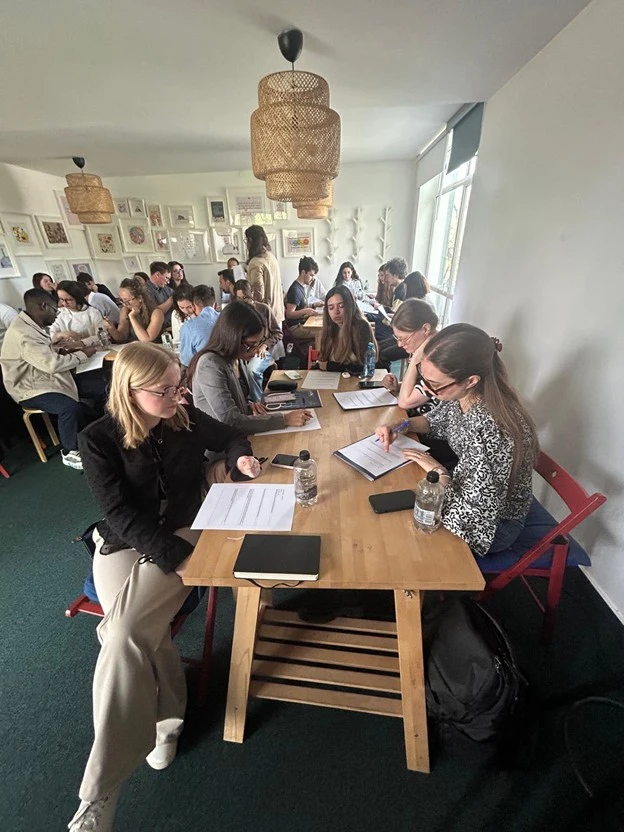
Wednesday, April 22, focused on developing teamwork and collaboration skills through a project design workshop coordinated by Dr. Gabriela Biliga-Nisipeanu (Faculty of History). Working in transnational teams, students were challenged to turn the core themes of the BIP, transnational cooperation, European values, and higher education policies, into concrete proposals for educational initiatives. The day continued with a series of interactive sessions on flexible learning pathways and innovative pedagogies, led by Prof. Lucian Ciolan, PhD, Vice-Rector for Development Projects, Lifelong Learning and Educational Infrastructure, Prof. Romiță Iucu, PhD, and Assistant Professor Alexandru Carțiș (Faculty of Psychology and Educational Sciences). These discussions connected the BIP experience to the broader transformations taking place within the European Higher Education Area, highlighting the growing role of short-term mobility programmes, micro-credentials, and transnational collaboration in creating more flexible and relevant academic pathways for students.
On Thursday, April 23, the programme included a visit to the House of Europe, where participants explored European decision-making processes through a series of interactive activities. One of the highlights was a parliamentary simulation that gave participants firsthand experience of the dynamics of debate, negotiation, and consensus-building within the European decision-making system. In the afternoon, activities continued at the Faculty of Interdisciplinary Studies with a lecture by Prof. Javier Valle (Universidad Autónoma de Madrid) on the European Higher Education Area. The session emphasized the relationship between European values, European identity, and education.
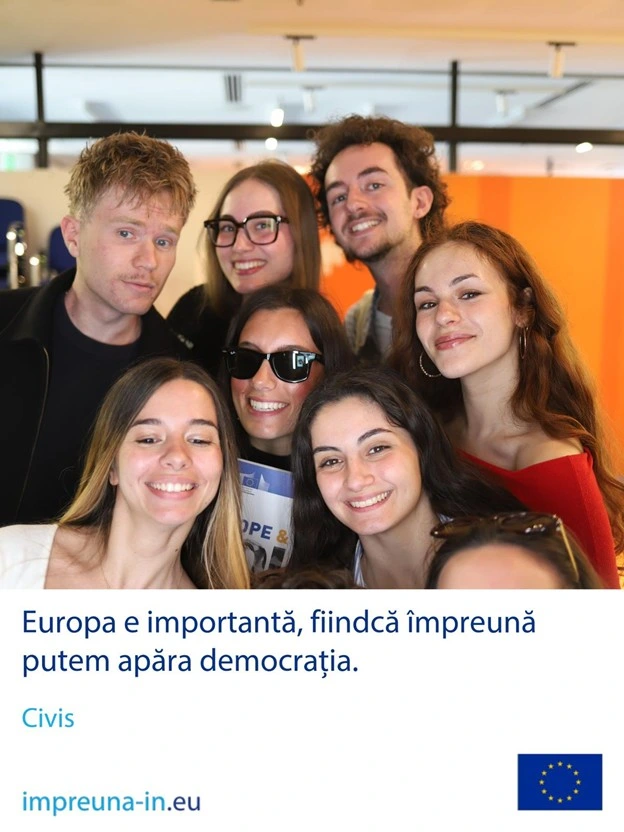
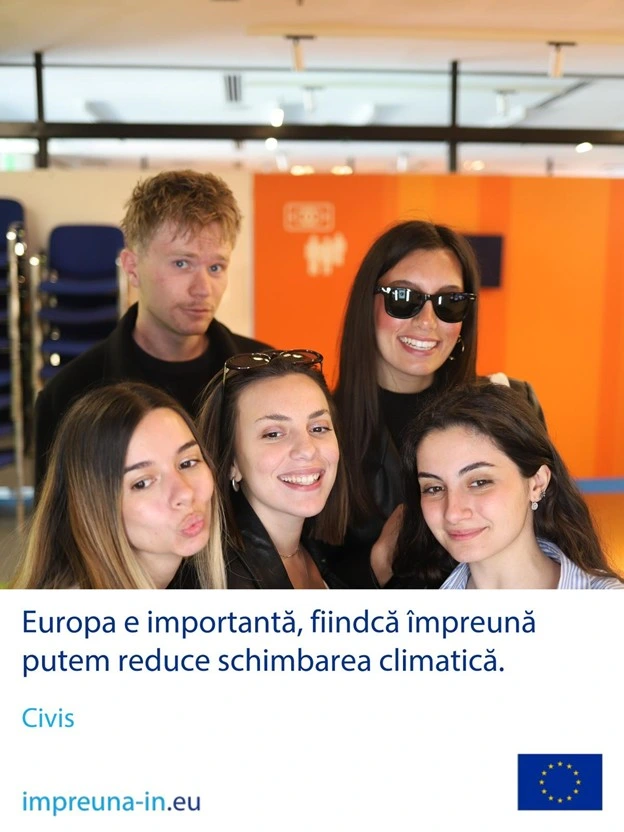
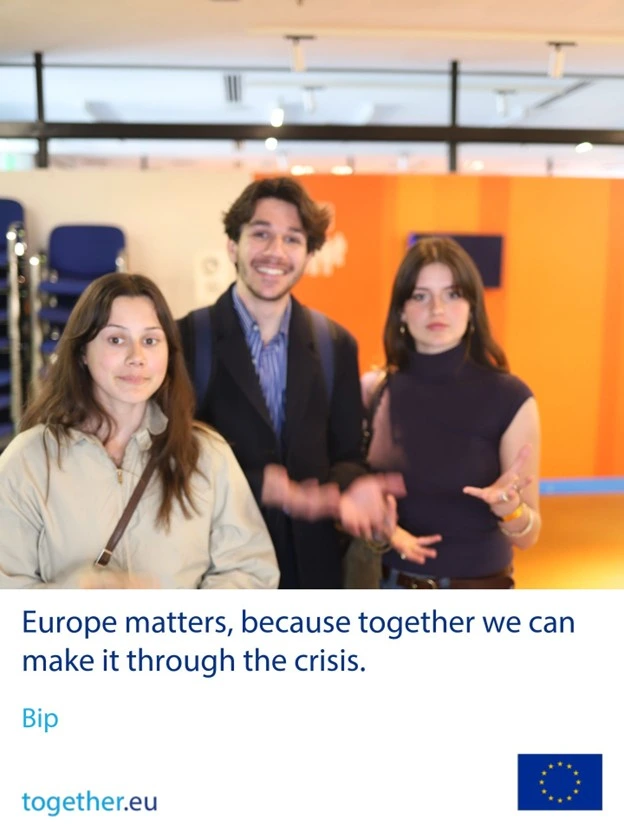
Friday, April 24, was dedicated to showcasing and reflecting on the learning outcomes achieved throughout the programme. The students’ final assessment focused on collaborative work and on applying the concepts explored during the week. The projects developed by the transnational teams addressed real needs within academic communities and the CIVIS Alliance, while remaining firmly grounded in European values. They also tackled a range of highly relevant contemporary topics, including civic engagement, well-being and mental health, inclusion and diversity, European identity and values, artificial intelligence, sustainability, and climate change.
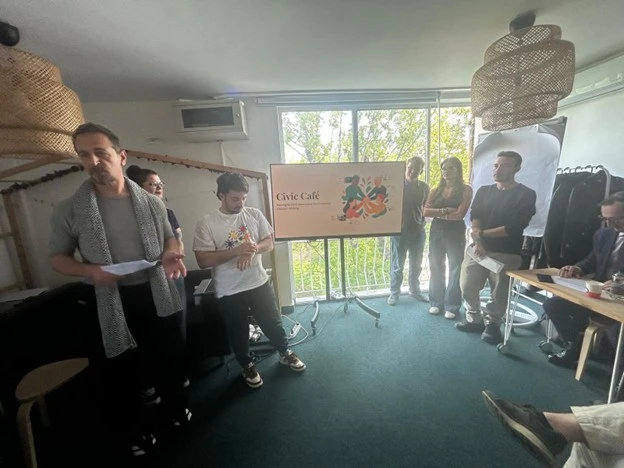
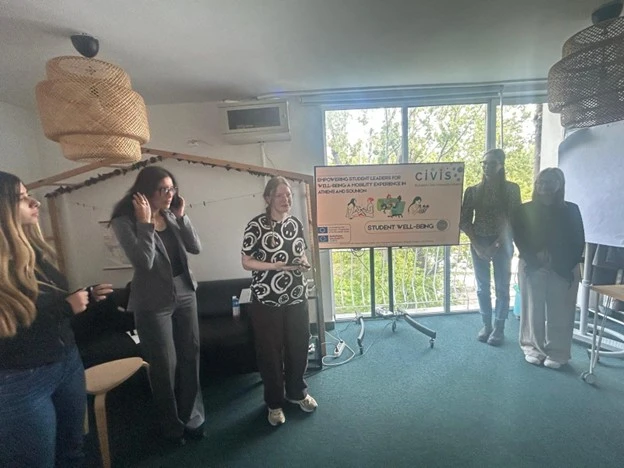
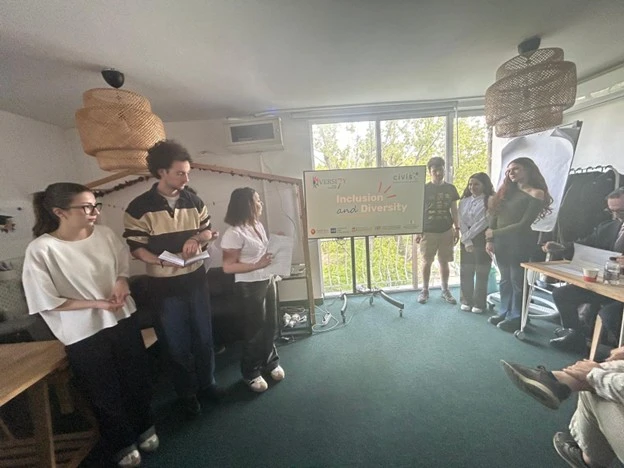
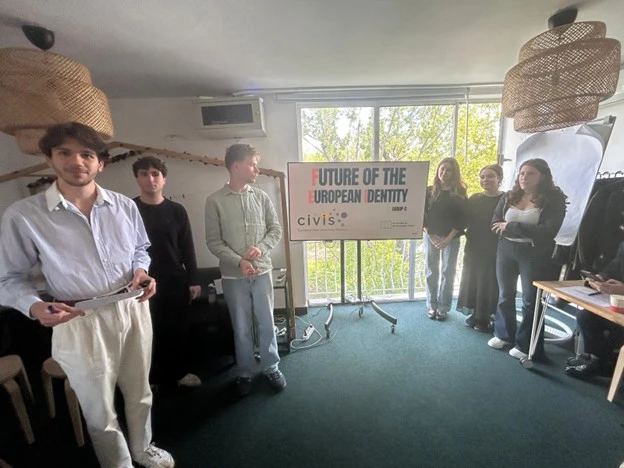
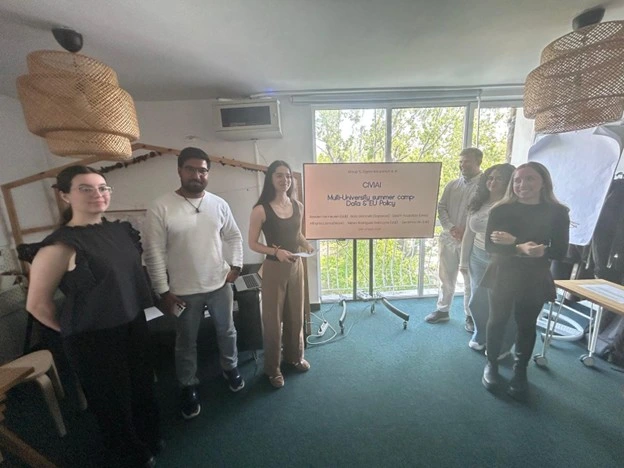
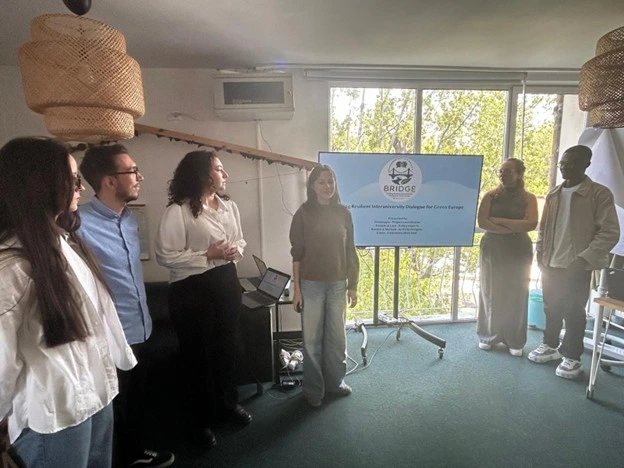
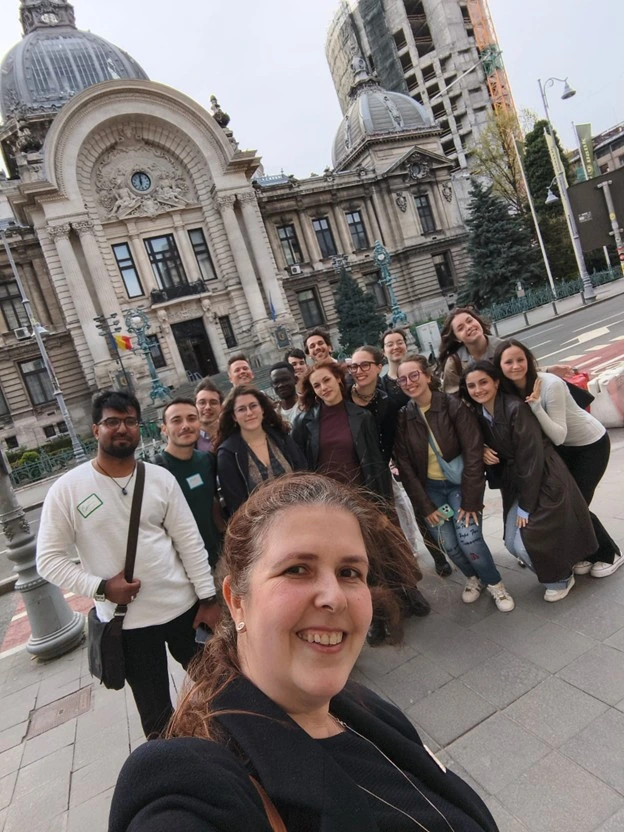
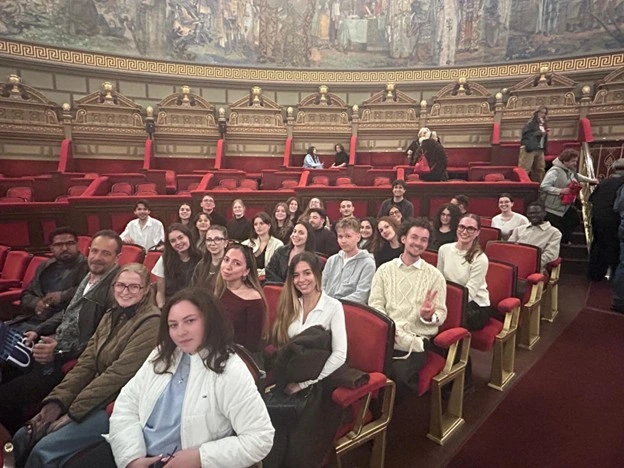
Throughout the week, the academic programme was complemented by a range of socio-cultural activities designed to help participants better understand the local and European context of the host city. These included a guided tour of Bucharest, organized with the support of Dr. Anita Sterea (Faculty of History, University of Bucharest, and Calea Victoriei Foundation), as well as attendance at a concert at the Romanian Athenaeum, one of the capital’s most iconic cultural landmarks.
Learning, Cooperation, and European Values
This BIP was organized in partnership with five CIVIS universities: the University of Bucharest (coordinator), Eberhard Karls Universität Tübingen, Sapienza Università di Roma, Universidad Autónoma de Madrid, and National and Kapodistrian University of Athens. Through the programme’s activities and themes, participants explored both the theoretical and practical dimensions of transnational cooperation in higher education, while examining the role of European values and public policies in shaping the future of the European Higher Education Area. At the same time, the programme encouraged the development of an international network of students and academic staff and gave participants the opportunity to design projects that could later be implemented within the CIVIS Alliance. Initiatives such as this reflect the University of Bucharest’s ongoing commitment to advancing the Sustainable Development Goals outlined in the United Nations 2030 Agenda, particularly SDGs 4, 16, and 17.
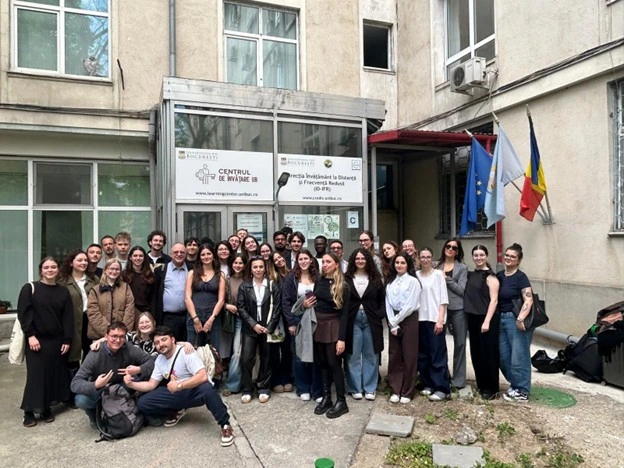
Testimonials from students who participated in the Blended Intensive Programme “Transnational Cooperation, European Values, and policies in Higher Education: perspectives and challenges” are available HERE.
Postări asemănătoare:
 National event dedicated to the launch of the „OECD Education at a Glance 2024 – EaG 2024” report, hosted and co-organized by the University of Bucharest
 Celebrating 160 Years of the University of Bucharest and 330 Years of Higher Education in Bucharest: A dedicated Panel at the Annual Conference for Communicating Research Results at UB
 The University of Bucharest, through CIVIS OpenLab, hosted a workshop dedicated to health misinformation
 CIVIS invites BA, MA and PhD Students of the University of Bucharest to the blended intensive programme “Linguistic cultures and communities in Europe (past and present)”
