




Technologies for preparation of some natural products with immunostimulatory properties
Abstract: The project scope proposal is the development of specific technologies for preparation of some vegetal extracts with immunostimulatory properties, which will be used in formulation of a food supplement for body invigoration. The novelties of this proposal are: a new own product, a combination of active principles with immunostimulatory properties; specific method of obtaining active principles with immunostimulatory properties; confirmation of non-aggressive effect of the nonconventional extraction techniques on the stability of extracted active principles. The optimal plant extracts obtained by conventional and unconventional extraction methods will be selected. The optimal extracts contains the active principles from Hedera helix L. leaves and are obtained with the best possible extraction yield, without changing the structure of the extracted bioactive compounds. In all extraction stages, ecofriendly solvents (water, ethanol) will be used. Methods for analyzing and quantifying of selected bioactive compounds triterpene saponins, carbohydrates as well as corresponding standard compounds will be developed. Bioactive compounds of interest (from extracts and standard ones) will be analyzed qualitatively and quantitatively by spectroscopic methods (1H-NMR, 13C-NMR, IR, UV-Vis, HPLC / LC / MS / MS). The structure of the selected bioactive compounds will be highlighted by modeling methods and X-ray diffraction studies, to confirm their immunostimulatory properties. The bioactive compounds selected from the extracts and the standard ones will be tested by specific methods to highlight the immunostimulatory properties. The technology of obtaining the final product, dietary supplement, for the body’s invigoration will be developed, with clinical impact.
Project code: PN-III-P2-2.1-PED-2019-2118/381PED/2020
Acronym: IMUNOSTIM
Domain: Biotechnology
Project director: Associate Professor Ph. D. Christina Marie Zalaru
Implementation period: 23.10.2020-23.10.2022
Project objective:
O1. Selection and identification of key active principles from Hedera helix L. leaves.
O2. Testing the immunostimulatory properties of the selected compounds.
O3. Development of methods of quantification and analysis of selected satandard compounds.
O4. Obtaining vegetable extracts by conventional methods.
O5. Obtaining vegetable extracts by unconventional methods.
O6. Qualitative and quantitative analysis of the extracts obtained and the selected standard compounds.
O7. Testing of key compounds after establishing the extraction conditions.
O8. Testing the immunostimulatory properties of the obtained plant extracts.
O9. Elaboration of the technology for obtaining the final product.
O10. Dissemination of the results.
Development of the project
Project phases
Phase 1. Selection and identification of key active principles and immunostimulatory testing of selected compounds
Expected and achieved results phase 1
During phase 1, all the proposed objectives were achieved, namely the establishment of the methods of quantification and analysis of the standard compounds, the obtaining of plant extracts by conventional and non-conventional methods, the qualitative and quantitative analysis of the extracts obtained and of the selected standard compounds, as well as the cytotoxicity testing of the samples of plant extracts and standard compounds on NCTC fibroblast cells and the evaluation of the biocompatibility of the samples to be analyzed in the raw macrophage cell culture 264.7.; dissemination of results.
A documentary study was carried out on the general characteristics of the plant Hedera helix L, as well as the chemical composition and therapeutic properties of its bioactive components;
The main macromolecular immunomodulatory compounds of plant origin were identified and the key active principles from Hedera helix L., which exhibit immunostimulatory activity, were selected;
Quantification and analysis methods of selected standard compounds were established and developed.
The objectives of the project implementation plan have been achieved.
Based on the analysis of the data from the specialized literature, the strategy was established, which will be addressed in the next stages of the project.
Phase 2. Obtaining vegetable extracts by conventional and non-conventional methods and qualitative and quantitative analysis of the obtained extracts and standard compounds select
Expected and achieved results phase 2
In phase 2, all the proposed objectives were achieved, namely the obtaining of plant extracts by conventional and non-conventional methods, as well as the qualitative and quantitative analysis of the obtained extracts and the selected standard compounds. Four conventional methods of obtaining plant extracts were used, namely: maceration at room temperature with intermittent stirring, refluxing, continuous Soxhlet extraction, hydrodistillation, using different solvents. Following the quantitative HPLC/MS/MS analysis and the quantification of the amounts of active compounds from the obtained extracts, the refluxing method was chosen, using only friendly solvents, water and ethanol. Two non-conventional methods of obtaining plant extracts, microwave and ultrasound, were used, using the same solvents, with the establishment of optimal parameters, temperature, time, solvent ratio. And in this case, following the quantitative HPLC/MS/MS analysis, the amounts of active compounds from the extracts obtained by the two methods were quantified. The stability of the key compounds was also tested.
The results were disseminated through scientific communications at relevant international conferences.
Phase 3. Testing of immunostimulatory properties of extracts obtained and elaboration of technology for preparation of the final product
Expected and achieved results phase 3
During phase 3, all the proposed objectives were achieved, namely the continuation of the qualitative and quantitative analysis of the obtained extracts and the selected standard compounds; stability testing of key compounds using established microwave and ultrasound assisted extraction conditions; testing the immunostimulatory properties of the obtained extracts; developing the technology to obtain the final product; dissemination of results.
In this stage, in addition to the expected activities, the isolation of the two classes of selected key compounds, saponins and carbohydrates, from three extracts obtained by conventional methods was also achieved. The immunostimulatory properties of the extracts obtained by both conventional and non-conventional extraction methods, of the selected standard compounds, as well as of the isolated fractions, were tested. The anti-inflammatory activity on cells and macrophages, of the extracts obtained and the fractions isolated from the extracts, as well as the cellular morphology by optical techniques, was tested.
The technology for obtaining the expected product was developed, i.e. a 1DH glycerinohydroalcoholic extract from aerial parts of Ivy. The results were disseminated through scientific communications at international conferences, ISI publications, and three patents filed and registered at OSIM.
Partners:
Coordinator research team (CO)-University of Bucharest, Faculty of Chemistry (UB)
Project coordinator: Associate Professor Ph. D. Christina Marie Zalaru
Partner research team (P1) National Institute for Research and Development of Biological Science (NIRDBS)
Project responsible Dr. Rodica Tatia
Partner research team (P2) University POLITEHNICA of Bucharest, Faculty of Chemical Engineering and Biotechnologies. (UPB)
Project responsible Associate Professor Ph. D. Adina Ionuta Gavrila
Partner research team (P3) Hofigal S.A Export-Import
Project responsible Marketing, Commercial, Logistics & Distribution Director Dr. Anca Daniela Raiciu
Conclusions
Thus, the objectives of the 3 phases with their specific activities were fully met, and the results obtained were consistent with the expected targets. Moreover, an additional activity was carried out, of isolation, from the obtained extracts of saponin and carbohydrate fractions.
CONTACT:
Address: 90 Panduri Road, 50663, Bucharest, Romania
Email: christina.zalaru@chimie.unibuc.ro, chmzalaru@gmail.com
More details about the project can be found here.
RESEARCH

ICUB invites you to the workshop ‘Membrane protein biophysics: experiment and computation’, which will take place on Monday, September 21, 2026, at the Rectorate
Events, Research, International, UB NewsPostări asemănătoare: ICUB invites you to a new workshop on AI & technology, September 10, 2026, at the UB Rectorate: “Embodied meaning and artificial intelligence” ICUB invites you to the presentation “India & Romania:...

University of Bucharest to Host the Sixth Biennial Conference of the East European Network for Philosophy of Science (EENPS)
Events, Research, International, Announcements, UB NewsPostări asemănătoare: East-Europe premiere: The University of Bucharest, the host of a new edition of the Global Forum on Modern Direct Democracy – Eurosfat 2024 The University of Bucharest at the 2025 EUCEN (European University...
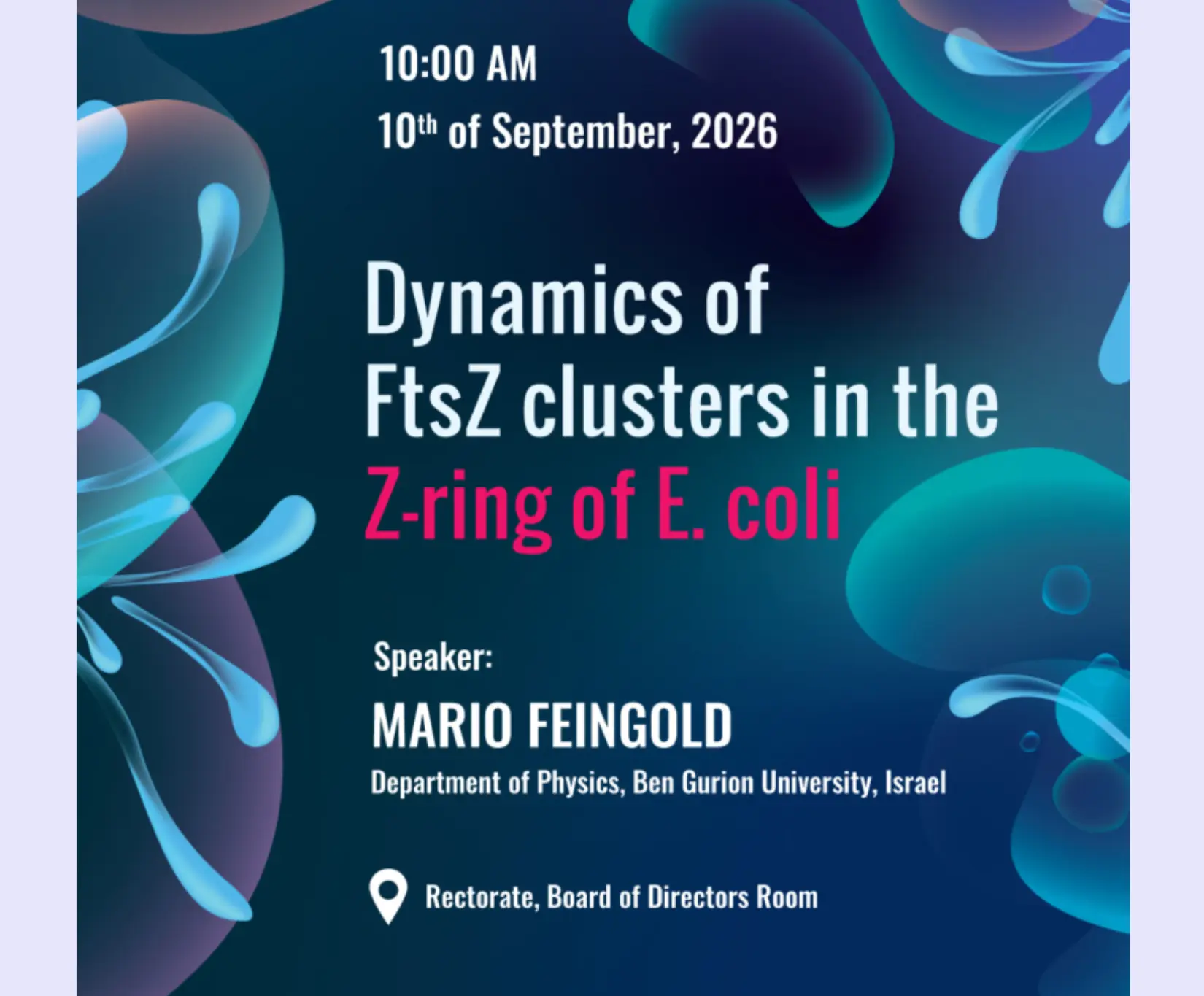
ICUB & ISDS invite you to the seminar ‘Dynamics of FtsZ clusters in the Z-ring of E. coli’, delivered by Prof Mario Feingold, from Ben-Gurion University
Events, Research, Announcements, UB NewsPostări asemănătoare: ICUB invites you to the lecture “Off the beaten track: The Significance of the Black Sea Regions for European Neolithization”, delivered by Dr. Marta Andriiovych from the University of Oxford and the University of...
NEWS

70 Years of the CMR Convention: two international conferences and romania’s first moot court competition in transport law at the University of Bucharest, Faculty of Law
Events, International, UB Student, UB NewsPostări asemănătoare: Outstanding Results of the Team of Faculty of Law of the University of Bucharest at the “René Cassin” European Law Competition Professor Simina Tănăsescu, PhD, faculty member at the University of Bucharest’s Law...
ICUB invites you to the workshop ‘Membrane protein biophysics: experiment and computation’, which will take place on Monday, September 21, 2026, at the Rectorate
Events, Research, International, UB NewsPostări asemănătoare: ICUB invites you to a new workshop on AI & technology, September 10, 2026, at the UB Rectorate: “Embodied meaning and artificial intelligence” ICUB invites you to the presentation “India & Romania:...

CIVIS Language Cafés Return This Autumn: A Multilingual Experience for Students and Members of the University of Bucharest Academic Community
Events, International, UB Student, UB NewsPostări asemănătoare: With the accession of the University of Lausanne, CIVIS expands to 11 members. A new CIVIS university, new members of a community united by a common vision CIVIS invites its academic community to join a new series...
University of Bucharest to Host the Sixth Biennial Conference of the East European Network for Philosophy of Science (EENPS)
Events, Research, International, Announcements, UB NewsPostări asemănătoare: East-Europe premiere: The University of Bucharest, the host of a new edition of the Global Forum on Modern Direct Democracy – Eurosfat 2024 The University of Bucharest at the 2025 EUCEN (European University...
ICUB & ISDS invite you to the seminar ‘Dynamics of FtsZ clusters in the Z-ring of E. coli’, delivered by Prof Mario Feingold, from Ben-Gurion University
Events, Research, Announcements, UB NewsPostări asemănătoare: ICUB invites you to the lecture “Off the beaten track: The Significance of the Black Sea Regions for European Neolithization”, delivered by Dr. Marta Andriiovych from the University of Oxford and the University of...
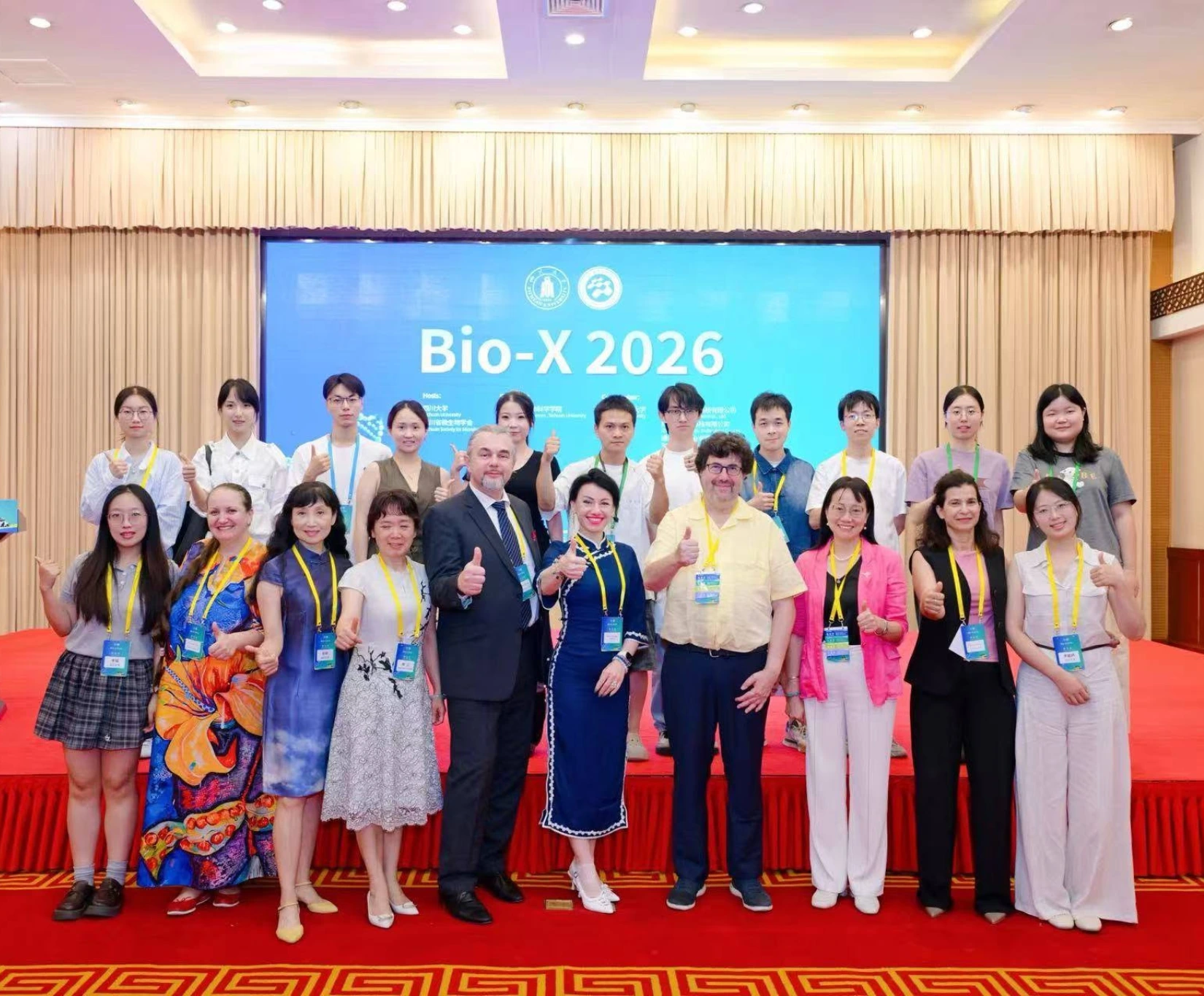
From Bucharest to Chengdu: romanian mycology and a new generation of researchers on the international scientific stage
Events, Research, International, UB NewsPostări asemănătoare: Interested in mycology and related fields? ICUB and the Faculty of Biology invites you to the University of Bucharest Mycology Club (UBMC) The University of Bucharest launches „Harta cercetătorilor UB” (UB...


